2026 Best Industrial Paint Booth Filters for Optimal Performance?
Choosing the right Industrial Paint Booth Filters is crucial for optimal performance in any facility. These filters play a key role in maintaining air quality and ensuring a smooth painting process. They trap dust, debris, and other contaminants, protecting both the environment and the finished products.
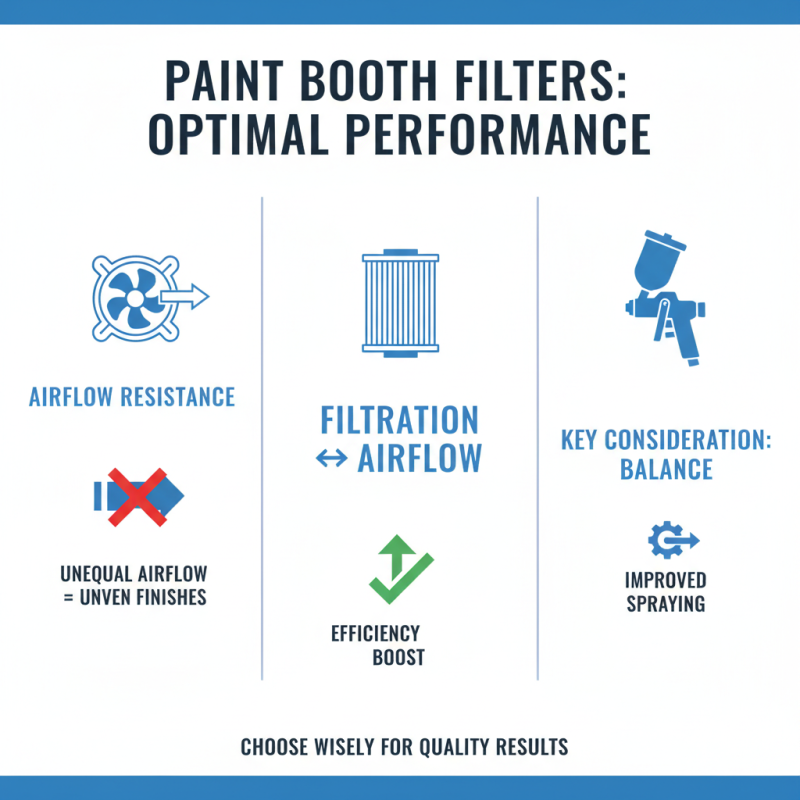
High-quality filters not only improve air flow but also enhance the longevity of your equipment. Regular assessment of your filter options is necessary. It's common to overlook the importance of clean filters. When neglected, they can lead to increased costs and reduced efficiency. Choosing the best filters requires reflection on specific needs and operational conditions.
In 2026, various Industrial Paint Booth Filters can cater to different requirements and budgets. Selecting the right type involves understanding airflow rates, filter materials, and maintenance schedules. Investing time in research can yield significant long-term benefits. Ultimately, a careful evaluation will ensure that your industrial painting processes operate at peak efficiency.
Types of Industrial Paint Booth Filters for Various Applications
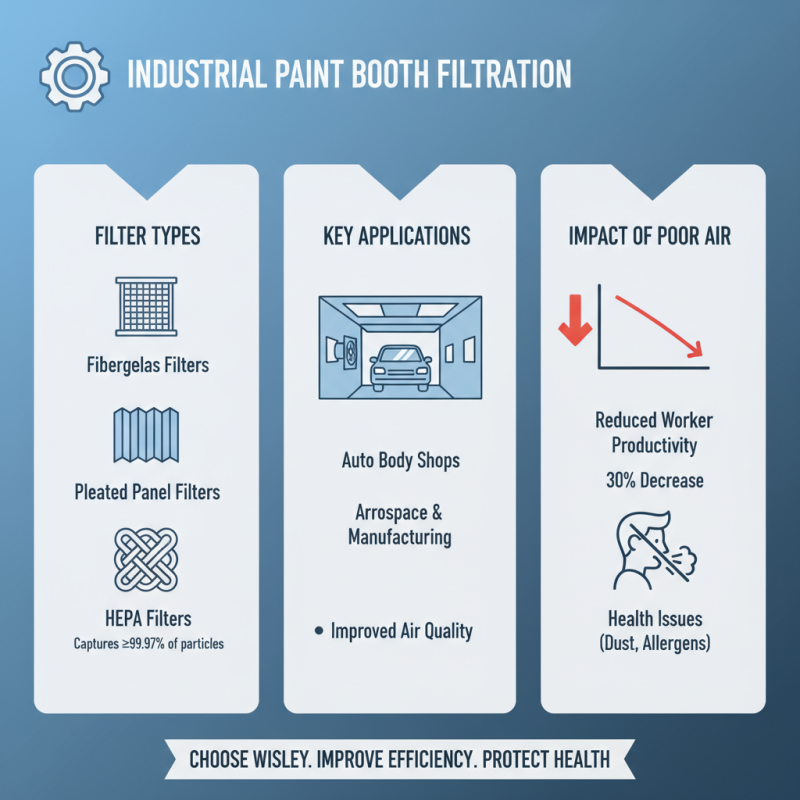
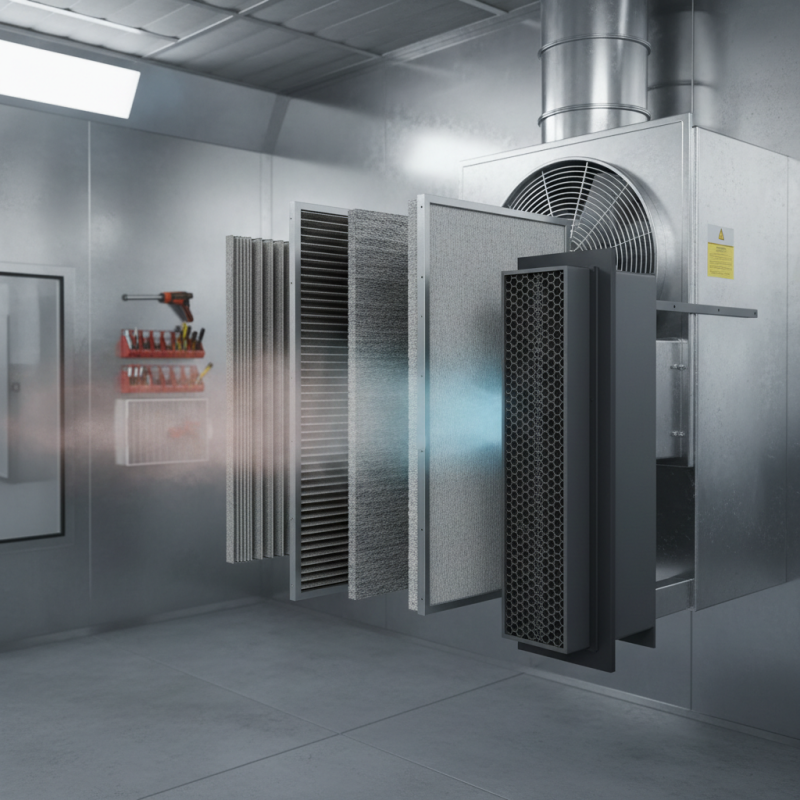
In the industrial painting sector, choosing the right paint booth filter is crucial. Various types of filters serve different applications. For instance, high-efficiency particulate air (HEPA) filters capture at least 99.97% of airborne particles. This is significant in auto body shops, where controlling dust and allergens improves air quality. Reports indicate that poor air quality can lead to a 30% decrease in worker productivity.
Additionally, activated carbon filters adsorb volatile organic compounds (VOCs) emitted during the painting process. VOCs can create health risks for workers. The American Industrial Hygiene Association states that prolonged exposure to VOCs may result in respiratory issues. Therefore, incorporating these filters is essential for maintaining a safe work environment.
However, not all filters are created equal. Maintenance can be overlooked, leading to diminished performance. Some facilities fail to replace filters regularly. This oversight can cause an increase in operational costs and reduce air quality. Investing in quality filters and adhering to a maintenance schedule is critical. It's a challenge, but being proactive ensures optimal performance and a healthier workspace.
Comparative Analysis of Leading 2026 Paint Booth Filter Brands
When selecting paint booth filters for 2026, it’s crucial to consider various options in the market. Different filters serve specific functions. Some excel at capturing larger particles, while others filter fine dust efficiently. A compact design often allows easy replacement, which can enhance workflow.
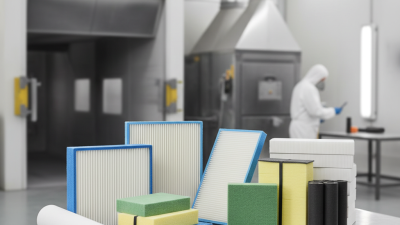
The material of the filter matters too. Options range from synthetic to fiberglass. Synthetic filters may provide better longevity but can have higher costs. Meanwhile, fiberglass filters are often more affordable but may require more frequent changes. It's essential to weigh performance against budget constraints.
Users frequently face challenges in filter maintenance. Not all filters are created equal, and their performance can degrade over time. A filter that works well today might falter under heavy use. Monitoring filter efficiency regularly is key for optimal outcomes. Some users neglect this, leading to compromised air quality. Keeping track of when to replace filters could create significant improvements. Understanding these nuances can lead to more informed choices in filter selection.
2026 Best Industrial Paint Booth Filters for Optimal Performance
| Filter Type |
Efficiency (%) |
Durability (Months) |
Price ($) |
Application |
| HEPA |
99.97 |
12 |
150 |
Fine particulate filtering |
| Polyester |
85 |
6 |
75 |
General-purpose filtration |
| Carbon |
90 |
9 |
120 |
Odor removal |
| Multi-Layer |
95 |
10 |
100 |
Combined filtration |
| Electrostatic |
80 |
5 |
50 |
Lightweight applications |
Maintenance Tips for Ensuring Optimal Performance of Filters
Maintaining industrial paint booth filters is vital for optimal performance. Regular maintenance ensures efficient airflow and filter longevity. According to a recent industry report, filters can lose 30% of their effectiveness if not serviced regularly.
Check filter status weekly. Look for signs of heavy dust accumulation or damage. Clean or replace filters as needed. A dirty filter not only reduces performance but can lead to costly downtime. Industry studies show that proper maintenance can improve filters’ lifespan by up to 40%.
Consider using differential pressure gauges to monitor filter condition. These devices provide real-time data, helping to make informed decisions about maintenance. Routine inspection can save money, but it requires diligence. Small oversights may lead to larger issues down the line. Balancing cost and performance is crucial for any operations team.
Environmental Impact and Sustainability of Industrial Paint Booth Filters
When considering the environmental impact of industrial paint booth filters, it is crucial to assess their materials and disposal methods. According to a report from the Environmental Protection Agency, around 1.5 million tons of coating waste is generated annually in the U.S. This includes the filters, which often contain hazardous substances. If not disposed of properly, they can contaminate soil and water.
The sustainability of these filters is another important aspect. Many conventional filters are made from synthetic fibers that do not break down easily. However, advancements in technology are leading to eco-friendlier alternatives. For example, biodegradable filters have started to emerge, offering a viable solution. These new options, while promising, are still not widely adopted. Cost factors and industry inertia might be hindering their acceptance.
Furthermore, the recycling potential of paint booth filters is often overlooked. Current statistics suggest that less than 10% of filters are recycled. This leaves a significant amount going to landfills where they could release harmful materials. It's vital for industries to revisit their waste management practices. This includes considering filtration systems that align with sustainability goals. Making small changes now could lead to a more significant impact in the future.
2026 Best Industrial Paint Booth Filters Performance Metrics