2026 Best Spray Booth Filter Material for Global Buyers?
In the highly competitive world of paint and coating applications, choosing the right Spray Booth Filter Material is crucial. Experts like Dr. Emily Carter, a prominent figure in the automotive coatings industry, emphasize the importance of quality filters: "The right filter can significantly impact paint finish and worker safety." This statement underscores the necessity for global buyers to carefully consider their options.
Spray Booth Filter Material comes in various types, each tailored for specific applications. For instance, some filters are designed for high-volume production, while others excel in fine particle capture. Understanding the differences is essential. A poor choice can lead to compromised air quality and subpar paint jobs, raising costs and risking compliance issues.
As the market evolves, buyers must also navigate varying standards and regulations. What worked in the past may not suffice today. Continuous research and adaptation are necessary. With advancements in technology and materials, staying informed is critical for making the best purchasing decisions in an increasingly complex landscape. The right Spray Booth Filter Material is not just an expense; it’s an investment in quality and safety.

Overview of Spray Booth Filters and Their Importance
Spray booth filters serve a crucial role in the painting and finishing processes. They help maintain air quality by trapping overspray and particulate matter. This results in a cleaner, safer environment for workers. Proper filtration is essential in reducing harmful emissions. It also protects equipment and ensures the quality of the finished product.
Choosing the right filter material takes careful consideration. Different materials can capture varying levels of particles. Some filters may not hold up under specific conditions. That's an important point to reflect on for buyers. Knowledge about filter ratings and airflow resistance plays a role in efficiency. A lack of understanding can lead to poor choices, resulting in higher costs and performance issues. Regular maintenance and replacement of filters are vital for optimal performance. Neglecting this aspect may compromise the booth's operation.
In summary, the importance of spray booth filters can't be overstated. They impact both safety and product quality. Buyers should consider their specific needs and the operating conditions of their booths. Thorough research and consultation with experts can lead to more informed decisions. Without this, businesses may face unnecessary challenges in their operations.
Key Features to Consider in Spray Booth Filter Materials
When selecting spray booth filter materials, several key features warrant attention. First, filtration efficiency is crucial. A material that captures a high percentage of particles ensures cleaner air and better workplace safety. Look for options that excel in trapping dust, paint overspray, and VOCs.
Additionally, durability plays a significant role in your choice. A robust filter withstands frequent use without breaking down. This can reduce costs over time. It’s also worth noting that some materials may clog faster, leading to more frequent replacements and increased maintenance.
Another important aspect is compatibility with the spray booth environment. Factors such as temperature, humidity, and chemical exposure can affect filter performance. Testing different materials in real-life conditions may reveal their strengths and weaknesses. Make sure to gather data on their effectiveness during various applications. Having empirical evidence strengthens your decision-making process.
Types of Filter Materials Available for Spray Booths
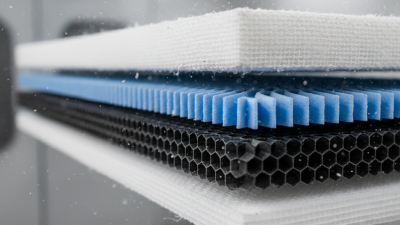
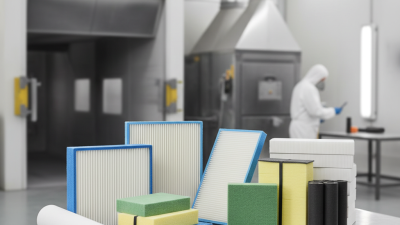
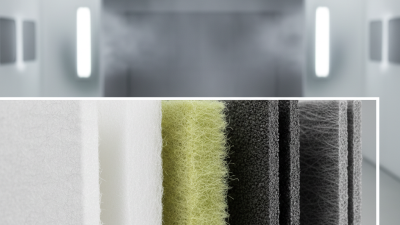
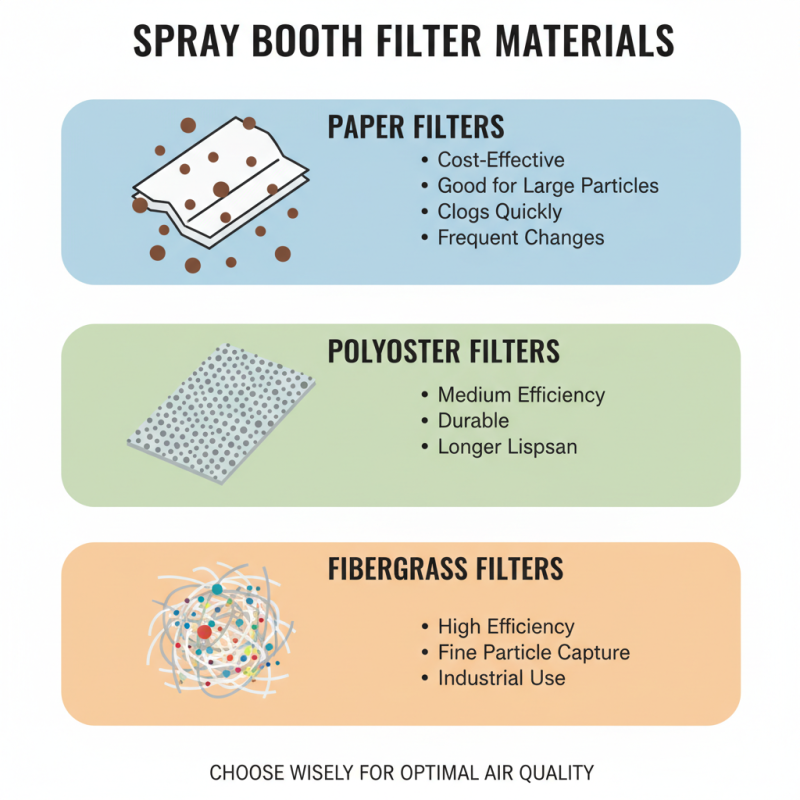
When selecting filter materials for spray booths, understanding the available types is essential. The most common materials include paper, polyester, and fiberglass. Each has unique qualities that affect performance and air quality. Paper filters are efficient for larger particles but may clog quickly. They are cost-effective but might require more frequent changes.
Polyester filters offer better durability and can capture finer particles. They tend to last longer than paper, making them popular in high-production environments. Fiberglass filters are known for their high dust-holding capacity. However, they can be less effective against smaller particles. Environmental considerations arise when choosing the right material, as some may contribute to waste.
Finding the right filter material is a balance between cost, efficiency, and sustainability. Many users face challenges when adapting to different materials. It's crucial to evaluate how these options align with specific needs in spray booth operations. Regular reviews of filter performance can highlight areas for improvement. Understanding these nuances can lead to more informed decisions in selecting the best spray booth filter material.
Global Trends in Spray Booth Filter Material Selection
The selection of spray booth filter materials has evolved significantly in recent years. Buyers now prioritize efficiency and sustainability. Environmental concerns drive the demand for filters that minimize waste and reduce emissions. Advanced materials that improve filtration efficiency are gaining traction. These innovations make booths cleaner and safer for users.
In 2026, buyers are looking for versatility. The ability to adapt filters to different applications is crucial. Various materials, such as synthetic fibers and activated carbon, are popular choices. Each material offers unique advantages. These can include enhanced airflow or better particle capture rates. However, the decision-making process can feel overwhelming.
In many cases, the right choice may not be clear. Some materials may underperform in specific environments. This inconsistency can lead to frustration. Therefore, thorough testing is vital. Users should gather data on filter performance in real-world scenarios. This practice ensures that their filter selection aligns with their operational needs.
Recommended Brands and Products for 2026 Spray Booth Filters
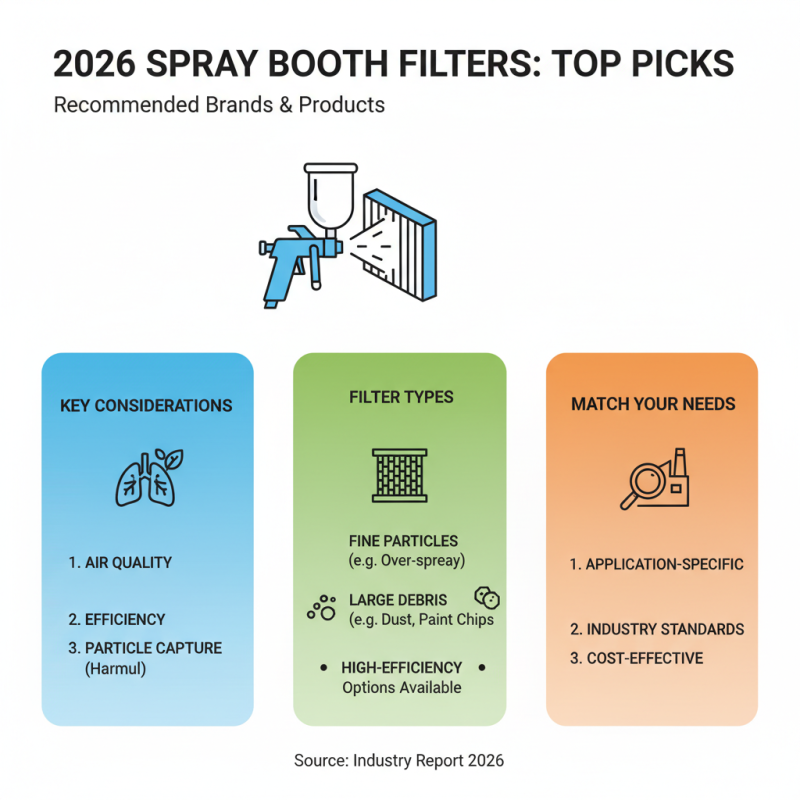
When selecting spray booth filter materials for 2026, it’s essential to think about air quality and efficiency. Good filters capture harmful particles effectively. High-efficiency filter types are available, catering to different needs. Some filters are designed for fine particles, while others handle larger debris. This highlights how vital it is to match filters to your specific applications.
Brands specializing in industrial filtration offer various products. They focus on longevity and performance. Checking for certifications adds credibility to your choice. Always consider the filter's MERV rating, which indicates its efficiency. However, not all solutions are foolproof, and ongoing assessments are necessary. Filters can degrade over time, and what works today may falter tomorrow. Regular testing and replacement are critical for maintaining air quality.
Reflecting on user experiences helps in making informed choices. Many users report that initial satisfaction sometimes diminishes. Filters might not perform as expected under different conditions. It's a reminder to continually monitor and adjust choices based on real-world performance. Investing in quality materials, while important, must be accompanied by diligence in maintenance and observation. Continuous improvement can lead to better air quality and safety in spray booths.