2026 Top Hepa Air Filter Options for Cleaner Indoor Air Quality?
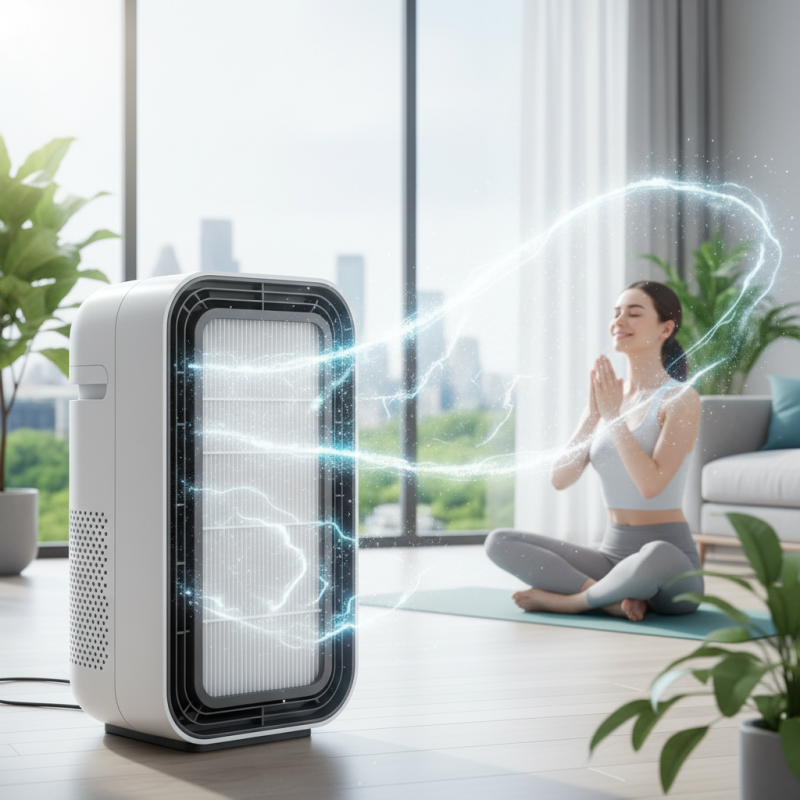
Indoor air quality is critical for our health and well-being. A quality Hepa air filter plays a vital role in achieving cleaner air. Dust, pollen, andother allergens can permeate our living spaces, leading to discomfort and health issues.
Choosing the right Hepa air filter can improve air quality significantly. These filters capture 99.97% of airborne particles that are 0.3 microns or larger. Investing in a good filter means taking a proactive step to ensure a healthier environment.
However, not all Hepa air filters are created equal. Some may not meet the expected standards. It’s essential to evaluate features like airflow, noise level, and filter lifespan. By understanding these factors, we can make informed decisions. Cleaner air is within reach, but we must seek quality options to achieve it.
Top Features to Look for in HEPA Air Filters for 2026
When selecting HEPA air filters in 2026, understanding key features is essential. HEPA filters should capture at least 99.97% of particles larger than 0.3 microns. This efficacy rate is crucial. It’s backed by studies showing that airborne pollutants contribute to respiratory issues and allergies. Choosing filters with a higher efficiency rating ensures better air quality in homes.
A vital aspect to consider is the filter's airflow resistance. Some high-efficiency filters may restrict airflow too much. This reduction can strain HVAC systems, leading to increased energy consumption. A balance between filtration efficiency and airflow is necessary for optimal performance. Studies show that air purifiers with HEPA filters can reduce indoor pollutants by a significant margin.
Additionally, look for filters with a longer lifespan. Many have a recommended replacement time ranging from 6 months to 1 year. However, this can vary based on usage and air quality conditions. Regular checks are needed. Filtration performance can decline over time, potentially leading to poorer air quality. Being proactive in filter maintenance is vital.
Comparison of Leading HEPA Air Filter Brands Available in 2026
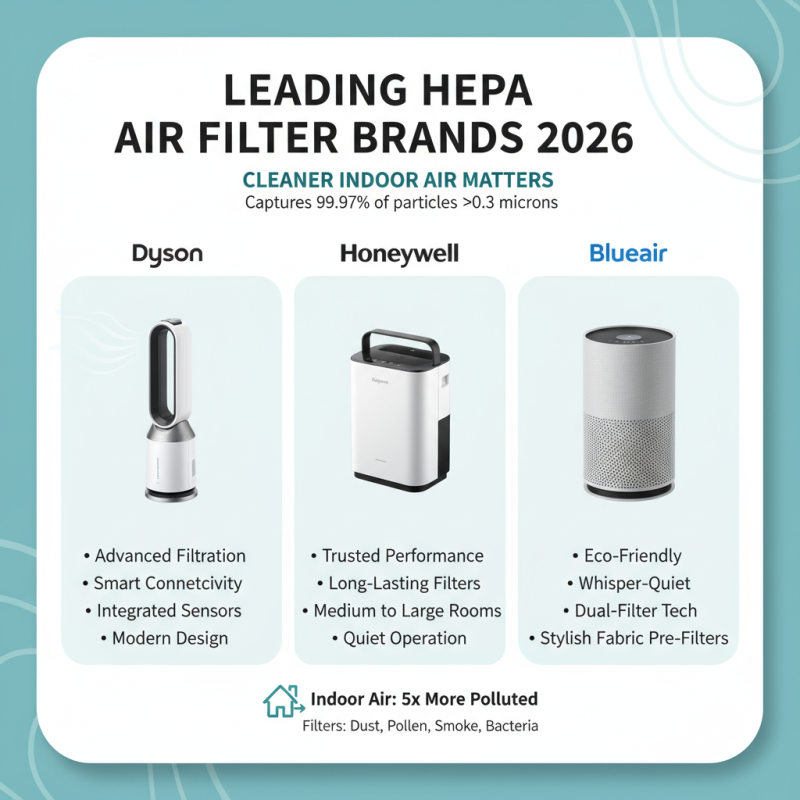
In 2026, indoor air quality remains a pressing concern. Research shows that indoor air can be up to five times more polluted than outdoor air. HEPA filters play a crucial role in mitigating these risks. They are designed to capture 99.97% of particles larger than 0.3 microns. This includes dust, pollen, smoke, and even some bacteria.
When comparing HEPA air filters, several brands have emerged as leaders. Data from industry reports highlight the effectiveness and lifespan of different models. Many filters are rated for 4-6 months of consistent use. However, actual performance can vary based on environmental factors and usage. It’s essential to consider room size and filter specifications when choosing. Some users report that factors like noise level and energy consumption also impact their experience.
While many HEPA filters are effective, not all options deliver the same results. Some filters may claim high efficiency but fail to perform in real-world scenarios. This discrepancy can lead consumers to question what they truly need. Regular maintenance and timely replacements are vital for optimal performance. Filtering systems that require more attention can frustrate users seeking an easy solution for clean air.
Understanding the Health Benefits of Using HEPA Air Filters
HEPA air filters are essential for achieving cleaner indoor air quality. These filters can capture 99.97% of particles that are 0.3 microns in size. Common allergens, such as dust mites, pollen, and pet dander, fall within this size range. According to the Environmental Protection Agency (EPA), indoor air can be two to five times more polluted than outdoor air. This highlights the importance of utilizing effective filtration systems.
Using HEPA filters can lead to significant health benefits. A study from the American Lung Association indicated that improving indoor air quality can reduce respiratory problems by 25%. People with asthma or allergies experience fewer symptoms when HEPA filters are in use. However, not all filters offer the same benefits. Regular maintenance is crucial. Clogged filters can impair performance and even produce harmful particles.
While HEPA filters are effective, they are not perfect. They require timely replacements to ensure maximum efficiency. Some users may neglect this, leading to subpar air quality. Additionally, HEPA filters don't eliminate gases or odors, meaning additional filtration methods may be necessary. Balancing these factors can enhance overall indoor air conditions.
Installation and Maintenance Tips for HEPA Air Filters
When considering HEPA air filters, installation and maintenance are key factors for optimal performance. Proper installation ensures that these filters capture airborne particles effectively. First, always check the manufacturer’s guidelines for specifics. Filters should be placed in the designated compartment, ensuring a snug fit. Loose installation can lead to air leaks, diminishing the filter's effectiveness. Remember to cut power to the unit before installation to prevent accidents.
Regular maintenance is just as crucial as installation. HEPA filters typically need replacement every 6 to 12 months. However, some may become clogged sooner based on usage and air quality. It’s a good practice to inspect the filter monthly. If it appears discolored or covered in dust, it’s time for a change. Some users might forget to check until it’s too late, which defeats the purpose of having a filter in the first place.
Cleaning the surrounding areas helps maintain air quality too. Dust and debris can accumulate near the air filter, affecting performance. Use a damp cloth to wipe down the unit and surrounding surfaces often. While these steps seem straightforward, they require consistent effort. Many people overlook these details, yet they are essential for cleaner indoor air.
Evaluating Cost-Effectiveness of HEPA Air Filters in 2026
The cost-effectiveness of HEPA air filters in 2026 is an important consideration. These filters are known for their ability to trap tiny particles. However, their initial cost can be high. We must evaluate long-term savings versus upfront expenses.
When investing in HEPA filters, consider the context of your indoor environment.
Homes with pets or smokers may see greater benefits. The need for cleaner air justifies the expense. Yet, some households might not need such high performance. It raises questions about necessary filtration levels.
Moreover, the replacement frequency plays a role in overall costs. Filters require regular changes to maintain effectiveness. Users often overlook this ongoing expense. Balancing upfront costs and maintenance is critical in determining value. Are you spending wisely on air quality? Understanding these factors helps ensure the best choice for your needs.