2026 Top Paint Booth Fiberglass Filter Innovations and Trends?
As we approach 2026, the Paint Booth Fiberglass Filter industry is witnessing remarkable innovations and trends. Experts are highlighting the critical role these filters play in improving air quality and enhancing paint application. According to John Smith, a leading expert in the field, "The future of Paint Booth Fiberglass Filters is about efficiency and sustainability."
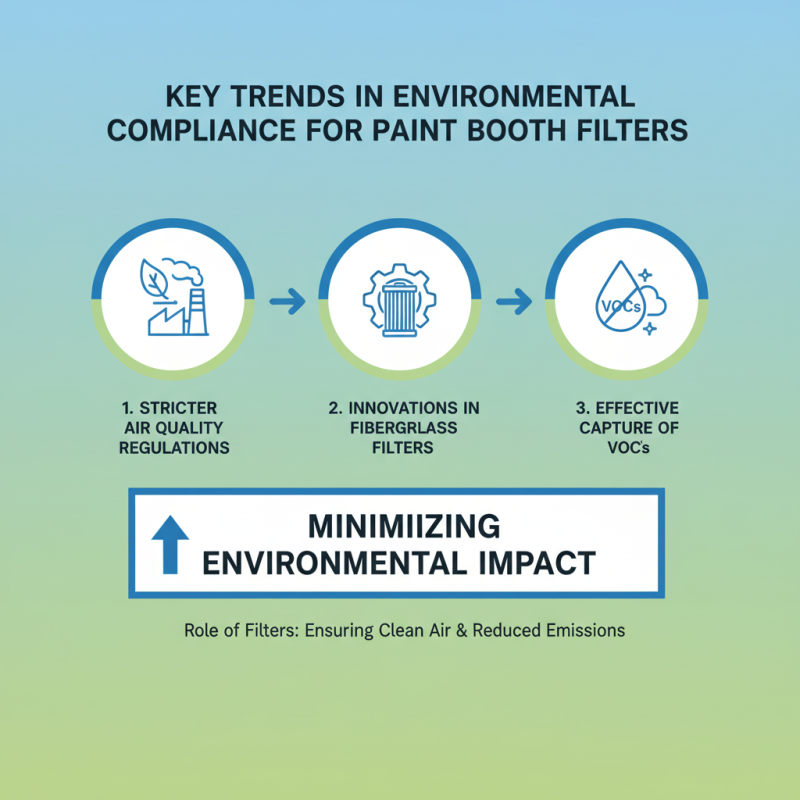
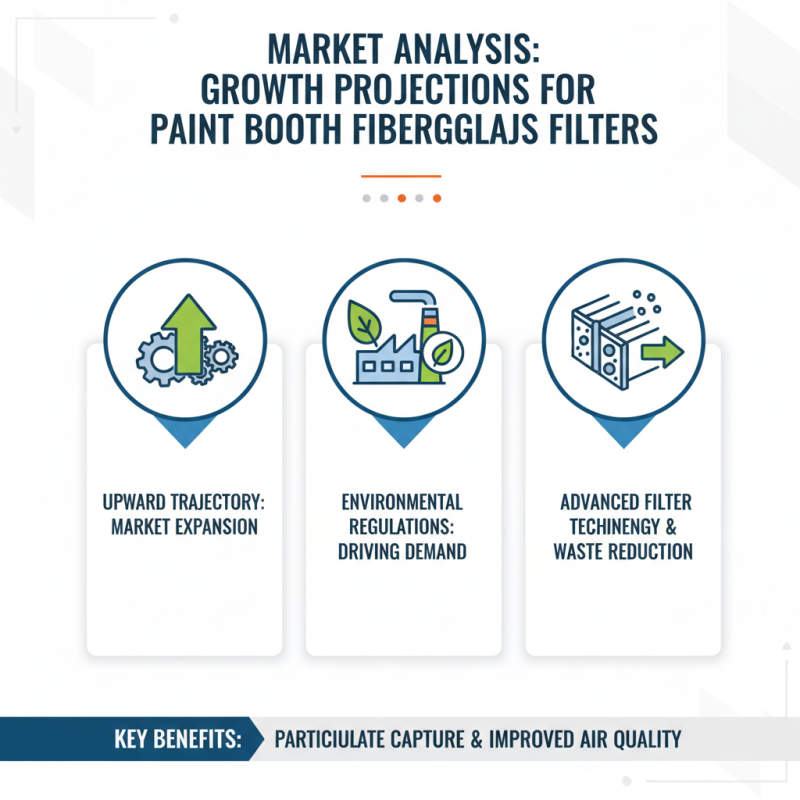
This statement underscores a vital shift towards using advanced materials that not only capture overspray but also reduce environmental impact. New technologies are emerging, including filters that are lighter, more efficient, and easier to replace. These advancements aim to meet stricter regulations while supporting companies in maintaining high performance in their paint booths.
However, with these innovations come challenges. Manufacturers must balance performance with cost, leading to reflections on material choices and design. The focus on sustainability raises questions about the long-term viability of certain materials. As the Paint Booth Fiberglass Filter market evolves, staying ahead means embracing both innovation and critical thinking about future needs.
2026 Innovations in Fiberglass Filters for Paint Booths
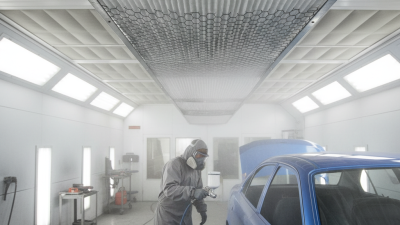
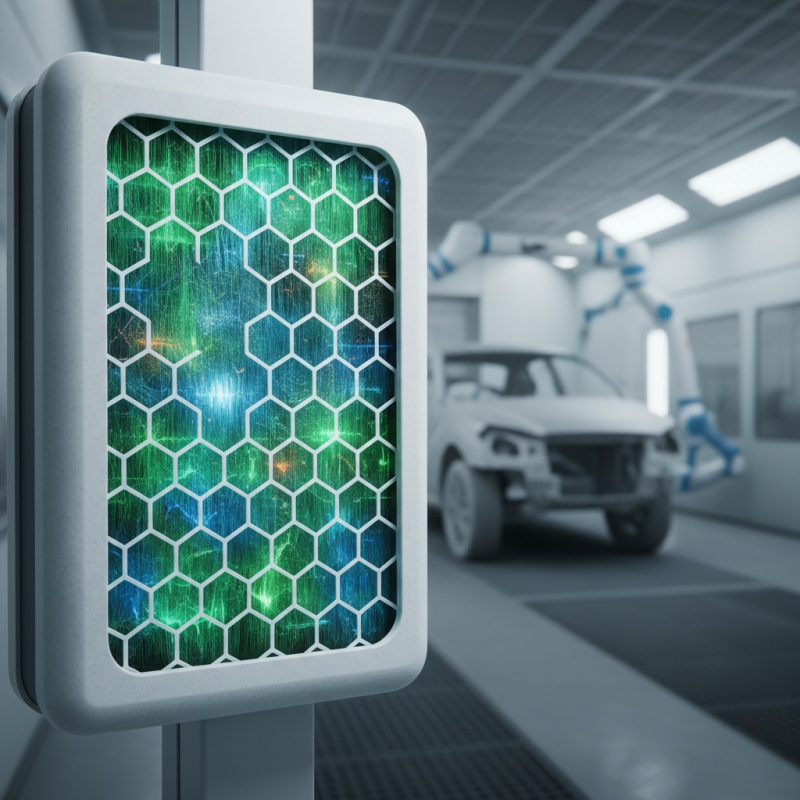
In 2026, the paint booth industry is witnessing exciting innovations in fiberglass filters. These filters are crucial for maintaining air quality and protecting workers. The new developments focus on enhanced filtration efficiency and durability. Manufacturers are introducing materials that can capture smaller particles, which improves the overall performance of paint booths.
One of the most impressive trends is the integration of smart technology. Filters equipped with sensors can monitor air quality in real-time. This allows users to be proactive in filter maintenance, reducing downtime. However, this innovation prompts reflection on the dependence on technology. Are we losing the ability to perform manual checks?
Tips: Regular maintenance is key. Always inspect your filters for wear and tear. Keeping an eye on their condition can prevent costly replacements. Additionally, consider training staff on the new features to maximize their benefits. Embracing innovation requires ongoing education. In some cases, this may lead to initial challenges in adapting to new systems.
As these fiberglass filters evolve, businesses must remain adaptable. Embracing change can bring efficiency, but it is essential to reflect on its impact. Always weigh the benefits against potential learning curves. It is vital to stay informed about the latest trends.
2026 Innovations in Fiberglass Filters for Paint Booths
Comparison of Fiberglass Filter Efficiency: 2026 vs. Previous Years
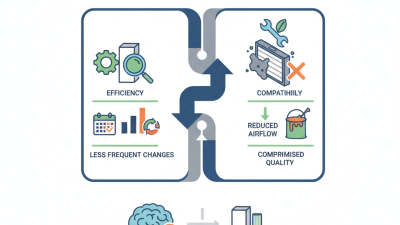
The efficiency of fiberglass filters in paint booths has seen noteworthy advancements in 2026. According to industry reports, filters now capture up to 95% of particle emissions. This marks a significant improvement from previous years, where efficiency hovered around 85%. The increased material density in filters contributes to their enhanced performance. However, not all filters exhibit the same capabilities, and some still fall short of expectations.
One area for reconsideration is filter longevity. Today's models often last longer, but variances exist. Some filters require replacement sooner than projected, especially in high-volume settings. The real-world implications of these discrepancies can lead to unexpected maintenance costs. Users must balance filter efficiency with operational budgets.
Moreover, the focus on sustainability continues to influence filter design. Innovations now incorporate eco-friendly materials. Yet, concerns remain about the recyclability of these filters. The industry must address these challenges to ensure a sustainable future. Overall, while 2026 brings promising innovations, critical discussions about efficiency and environmental impact persist.
2026 Top Paint Booth Fiberglass Filter Innovations and Trends
| Year |
Filter Type |
Efficiency (%) |
Average Lifespan (Months) |
Key Innovations |
| 2026 |
High-Efficiency Fiberglass Filter |
95 |
12 |
Enhanced airflow design |
| 2025 |
Standard Fiberglass Filter |
90 |
10 |
Basic filtration improvement |
| 2024 |
Eco-Friendly Fiberglass Filter |
85 |
8 |
Biodegradable materials |
| 2023 |
Standard Fiberglass Filter |
80 |
6 |
Improved structure |
| 2022 |
Basic Fiberglass Filter |
75 |
5 |
Standard performance |
Impact of Advanced Materials on Filter Longevity and Performance
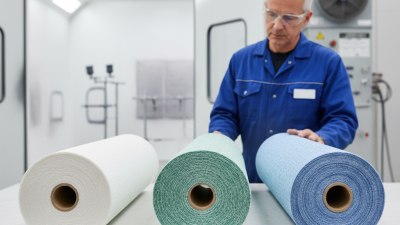
The landscape of paint booth filtration is evolving rapidly, driven by advancements in materials science. Advanced fiberglass filters are now utilizing innovative nonwoven technologies. These materials enhance filter longevity and optimize performance under various conditions. A recent industry report highlighted that filters made from advanced composite materials can last up to 30% longer than traditional options.
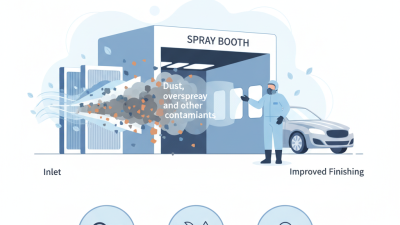
Durability, however, is only part of the equation. The filtering efficiency of these new materials has also improved significantly. Reports indicate that state-of-the-art fiberglass filters can capture up to 99% of particulate matter. This efficiency is crucial in paint booths, where air quality directly impacts product quality and worker safety. As the industry demands stricter regulations, the role of these filters becomes increasingly vital.
While the advancements are promising, challenges remain. Not all fiberglass filters perform equally in different environments. It's essential for manufacturers to continuously test these materials under various conditions to ensure reliability. Additionally, the cost of high-performance filters can be a barrier for smaller operations. Ongoing research is needed to balance performance and affordability. The journey toward optimal filtration solutions continues, pushing the industry to refine its approaches.