2026 Top Spray Booth Filter Options What to Consider?
When it comes to Spray Booth Filters, choices abound. Selecting the right filter can significantly impact your painting processes and overall air quality. A suitable filter helps in capturing overspray and contaminants. This ensures cleaner environments for both workers and products.
Understanding the variable options available is crucial. Not all Spray Booth Filters are created equal. Some may excel in certain conditions while failing in others. Look for filters that match the specific needs of your spray booth. Consider factors like filter type, efficiency, and maintenance requirements. Higher efficiency often means reduced paint waste and better results.
As you delve into options, be aware of potential pitfalls. Not every expensive filter guarantees superior performance. It’s essential to weigh performance against cost-effectiveness. By reflecting on the features that matter most, you can find the ideal Spray Booth Filter that aligns with your operational goals.
2026 Spray Booth Filter Options: An Overview of Key Types
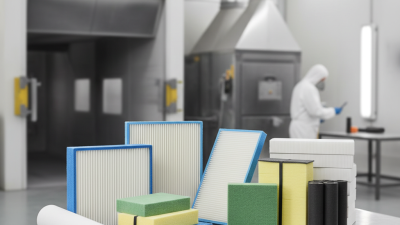
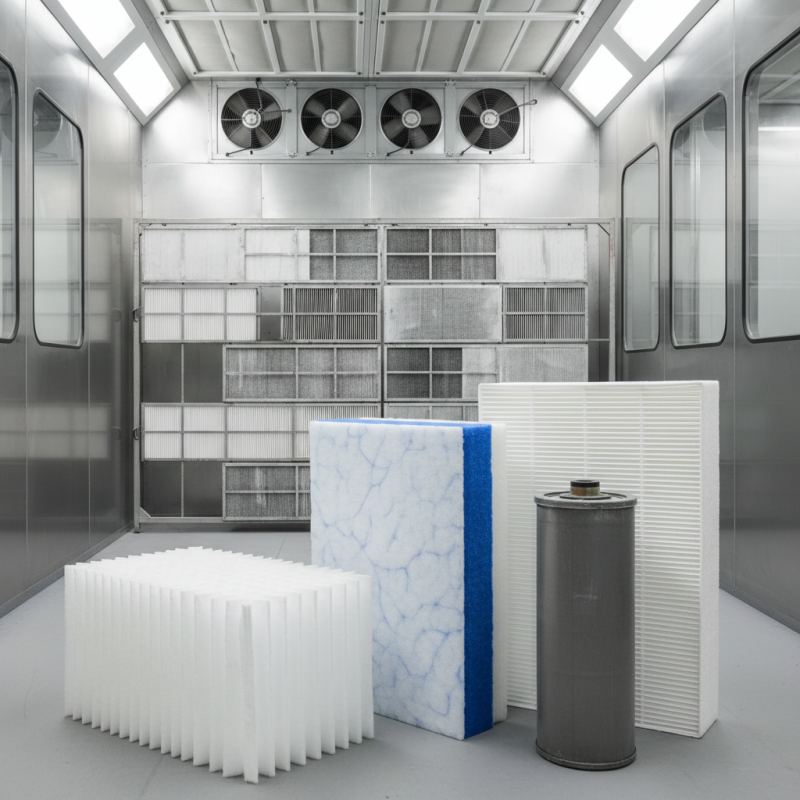
When considering spray booth filters in 2026, it's essential to explore the various types available. HEPA filters are known for capturing fine particles. They effectively trap dust, dirt, and paint overspray. These filters enhance air quality significantly, but they often require frequent changes. This maintenance can lead to increased costs over time. Some users overlook this aspect, leading to performance issues.
Another option is activated carbon filters. They excel at absorbing odors and chemicals. These are particularly useful in environments with strong fumes. However, they can lose efficiency quickly. Users might find themselves replacing them often, especially in high-usage settings. It's important to evaluate the specific needs of your operation.
Lastly, consider electrostatic filters. They utilize an electric charge to attract particles. They can be quite effective but may need specialized cleaning. This requirement can deter some users. While they have advantages, the need for extra care shouldn't be underestimated. Weighing these options carefully helps make the right choice for your spray booth.
2026 Top Spray Booth Filter Options
This chart illustrates the key types of spray booth filters available in 2026, alongside their estimated market share. Each filter type plays a crucial role in maintaining air quality and ensuring optimal performance in spray booths.
Understanding Filter Efficiency Ratings and Their Impact on Performance
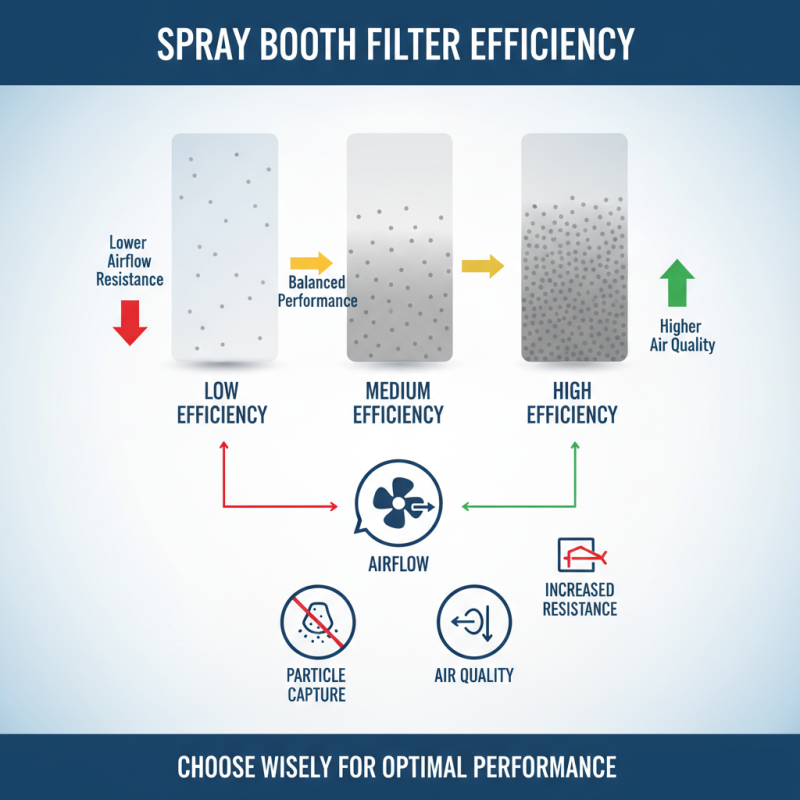
When selecting spray booth filters, understanding filter efficiency ratings is essential. These ratings define how well a filter captures particles. A higher rating generally means better air quality. However, this can also lead to higher resistance, impacting airflow.
Efficiency ratings may come in different forms. Look for HEPA or MERV system ratings. HEPA filters usually catch 99.97% of particles. MERV ratings range from 1 to 16. Higher ratings mean smaller particles are trapped. For example, MERV 13 filters can capture particles like dust and mold.
Tips: Always check the specifications. Not all filters fit every spray booth. Consider your operational needs, such as the type of paint used. Remember that filters can affect booth performance. A filter that is too restrictive may lower the airflow.
Use filters that balance efficiency and performance. This avoids excessive strain on your booth and equipment. Keep an eye on the pressure drop as well. It’s crucial for maintaining optimal airflow. Test and replace filters regularly to ensure efficiency.
Evaluating Cost vs. Quality in Spray Booth Filter Selection
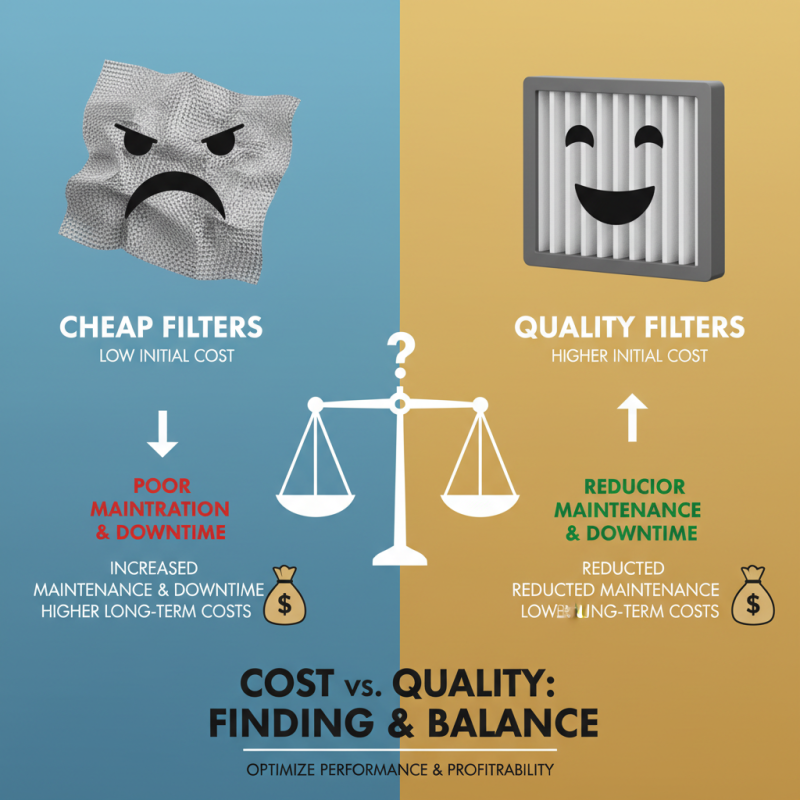
When selecting spray booth filters, balancing cost and quality is vital. Cheap filters often compromise effectiveness. They might initially save money, but can lead to higher costs over time. Poor filtration can increase maintenance and downtime, affecting overall productivity. Understanding this trade-off is essential.
Qualitative aspects should not be overlooked. High-quality filters trap more contaminants and enhance air quality. They last longer, reducing the frequency of replacements. However, they come at a premium. Evaluating the specifics of filter materials and performance ratings helps in making informed choices. Sometimes, the most expensive option might not be the best fit for every situation.
Consider the unique needs of your operation. Factors like the type of spray material and booth environment play a role. Not all filters perform equally under various conditions. Reflect on past experiences; did a lower-cost filter create more issues than it solved? Investing in the right filter can ultimately save money and ensure a safer work environment.
Industry Standards for Air Quality and Compliance in Spray Booths
In the spray booth industry, air quality and compliance are critical. Specific standards need to be met for worker safety. The OSHA (Occupational Safety and Health Administration) enforces rules ensuring safe environments in workplaces. According to various reports, up to 50% of spray booth failures come from inadequate ventilation and filtration.
When selecting filters, consider particles. Paint overspray contains volatile organic compounds (VOCs). Filters should capture a high percentage of these particles. A good option is a multi-stage filter system. It enhances air quality and extends equipment life.
Tips: Regular maintenance of filters is essential. Replace them based on usage. Monitor air quality with sensors. This prevents costly violations.
A recent study revealed that nearly 40% of facilities don't comply with air quality regulations. Many companies struggle with outdated filtration systems. Investing in proper filters can significantly reduce this risk. Aim for compliance to avoid fines and ensure worker safety.
2026 Top Spray Booth Filter Options What to Consider? - Industry Standards for Air Quality and Compliance in Spray Booths
| Filter Type |
Efficiency Rating |
Particle Size Capture |
Lifespan |
Compliance Standard |
| High-Efficiency Particulate Air (HEPA) |
99.97% |
0.3 microns |
3-5 years |
ISO 29463 |
| Activated Carbon Filters |
Varies |
Gas and Odor |
6-12 months |
EPA Standards |
| Filter Media (Polyester) |
80-95% |
5-10 microns |
1-3 years |
ASHRAE 52.2 |
| Paint Arrestors |
Up to 95% |
Global finishes |
3-6 months |
NFPA 33 |
Maintenance Considerations to Extend the Life of Spray Booth Filters
Maintaining spray booth filters is crucial for optimal performance. Regular checks can help identify wear and tear. Inspect filters at least once a week. Look for signs of dirt buildup or damage. A clogged filter can reduce airflow, making the booth less effective. Sometimes, small tears are easy to overlook. They can worsen, leading to bigger problems.
Cleaning filters is another vital step. Many filters can be cleaned and reused, but it requires proper technique. Use compressed air to blow out the dust and debris. However, be gentle to avoid damaging the material. Not all filters are meant to last long. Some need replacement sooner than expected. Always refer to manufacturer guidelines.
Monitoring airflow is essential, too. A drop in airflow can indicate issues with your filters. Keep an eye on pressure gauges, if available. Anomalies matter. They can reflect the condition of the filter and the entire system. Understanding when to replace filters saves time and resources. Regular maintenance extends their life but requires routine efforts and attention.