Leave Your Message

Top 10 Benefits of Using Ffu Filter Unit for Clean Rooms?

In the realm of cleanrooms, efficiency and air quality are paramount. The "Ffu Filter Unit" plays a critical role in ensuring these standards. Renowned industry expert Dr. Jane Smith once stated, “The Ffu Filter Unit transforms air quality and operational efficiency simultaneously.” This underscores the significance of integrating Ffu Filter Units in cleanroom settings.

Cleanrooms require stringent measures for air filtration and contamination control. The Ffu Filter Unit meets these demands effectively. It provides a constant flow of clean air, reducing the risks of particle contamination. However, not all installations are perfect. Some facilities struggle with maintenance and performance variability.

Choosing the right Ffu Filter Unit is essential for optimal results. Many facilities underestimate the importance of training staff for proper usage. Regular testing and maintenance often get overlooked, leading to reduced effectiveness. Reflecting on these challenges can illuminate the path to enhanced cleanroom environments.

Top 10 Benefits of Using Ffu Filter Unit for Clean Rooms?

Key Features of FFU Filter Units for Clean Room Applications

Top 10 Benefits of Using Ffu Filter Unit for Clean Rooms?

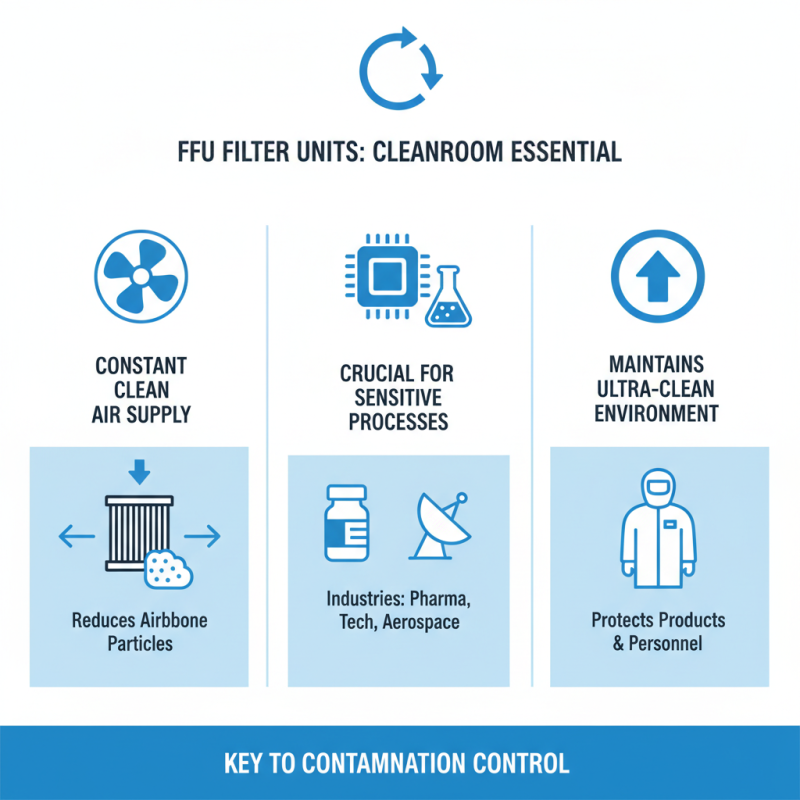
FFU filter units play a crucial role in maintaining cleanroom environments. They help reduce airborne particles effectively. These units are designed to provide a constant supply of clean air. This is essential for sensitive processes in various industries.

A key feature of FFU filter units is their HEPA filters. These filters can capture 99.97% of particles as small as 0.3 microns. This ensures that the air remains free of contaminants. In addition, FFUs often have a modular design. This allows for flexibility in installation and maintenance.

**Tip:** Regular maintenance is vital for optimal performance. Check filters frequently to ensure they are clean.

Another important aspect is the fan speed adjustment. Many FFUs come with variable speed settings. This feature allows for tailored airflow based on specific requirements. However, users must monitor noise levels, as higher speeds can increase sound.

**Tip:** Consider soundproofing options if noise becomes an issue.

The efficiency of these units can significantly impact energy usage. Choosing energy-efficient models can lead to long-term savings. Nonetheless, it's essential to assess the energy consumption regularly. Each environment is unique, and adjustments may be needed.


Improved Air Quality and Contamination Control with FFU Filters

Clean rooms require extremely high standards of air quality. FFU (Fan Filter Unit) filters are crucial in achieving this. They not only purify the air but also improve contamination control significantly. By filtering out particles as small as 0.3 microns, FFUs ensure that the cleanroom environment remains free from harmful contaminants. This is vital for industries like pharmaceuticals and electronics, where even a small dirt particle can cause major issues.

The installation of FFU filters allows for better airflow distribution. The design ensures that clean air is evenly distributed, reducing dead zones. This means that all areas within the cleanroom receive the same level of air quality. However, regular maintenance is essential. If neglected, filters can become clogged, leading to reduced efficiency. This raises concerns about the true cleanliness of the environment. Facility managers must stay vigilant to avoid compromising air quality.

Moreover, FFU filters operate quietly, which is a significant advantage in settings requiring concentration. However, achieving the right balance between airflow and noise level can be challenging. Some users find that while quiet, the system can sometimes be inadequate in air circulation. Finding the perfect FFU model requires adequate research and understanding of specific cleanroom needs. Implementing the right solution is essential for maintaining ideal air quality and contamination control.

Top 10 Benefits of Using FFU Filter Unit for Clean Rooms

Energy Efficiency Advantages of Using FFU Filter Systems

Energy efficiency is crucial in clean room environments. FFU filter systems help reduce energy consumption significantly. These units use fans to circulate air through filters. This process supports consistent airflow, which boosts efficiency compared to traditional systems.

Using FFU filter units can lead to lower utility bills. Indoor environments remain controlled without excessive energy use. However, it's essential to ensure the units are correctly sized. Oversized units can consume more power than needed. Maintenance is another critical issue. Neglecting regular checks can lead to reduced efficiency over time.

Think about the long-term impact. Properly maintained FFU systems not only save money but also minimize environmental footprints. They can enhance productivity by maintaining clean air quality. Yet, users must ensure they're making informed choices. Selecting the right units can be challenging, but the potential rewards are significant.

Top 10 Benefits of Using FFU Filter Unit for Clean Rooms

Benefit Description Energy Efficiency Impact
Improved Air Quality Enhanced filtration reduces particulates and contaminants. Lower energy use for air purification leads to savings.
Cost Savings Less frequent filter replacement reduces maintenance costs. Efficiency of FFUs decreases overall energy consumption.
Modular Design Flexibility to scale cleanroom size and requirements. Minimizes energy waste by adapting to specific needs.
Noise Reduction Quiet operation compared to conventional systems. Lower noise energy contributes to overall system efficiency.
Enhanced System Control Advanced controls improve airflow management. Optimized fan speed leads to better energy use.
Lower Operation Costs Reduced need for mechanical systems minimizes expenses. Less reliance on HVAC lowers operational expenses.
Environmental Impact Promotes green practices through energy-efficient designs. Reduced carbon footprint due to lower energy needs.
Space Efficiency Compact design frees up valuable cleanroom space. More efficient layout can lead to energy savings.
Versatility Applicable to various cleanroom environments and industries. Energy savings vary across applications, optimizing usage.
Compliance Meets strict cleanroom regulations and standards. Efficient systems help in compliance-related energy costs.

Operational Flexibility and Scalability of FFU Filter Units

Top 10 Benefits of Using Ffu Filter Unit for Clean Rooms?

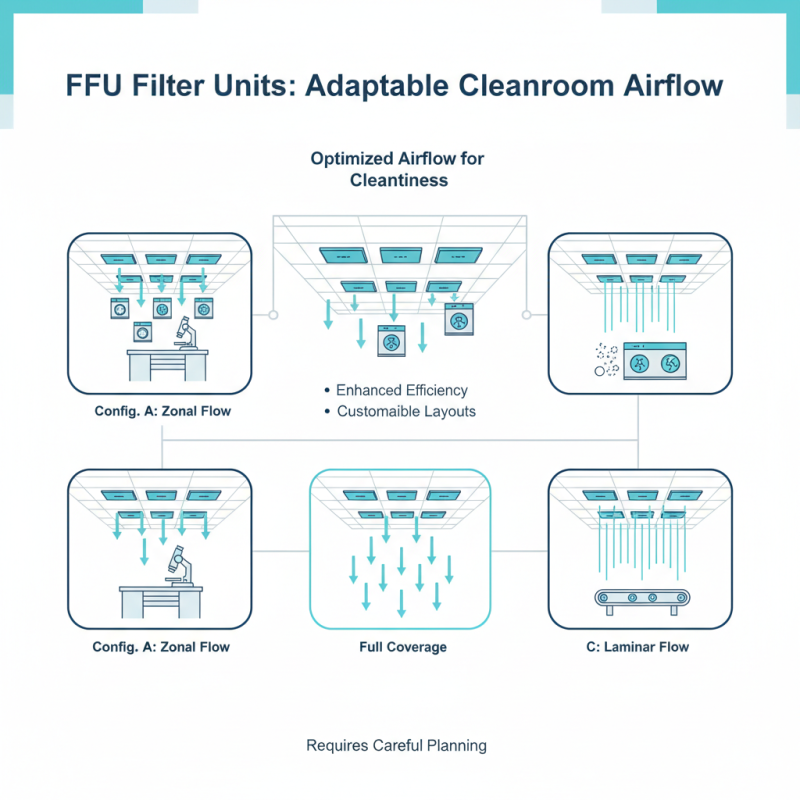
FFU filter units offer significant operational flexibility for clean room environments. These units can be installed in various configurations, adapting to the specific needs of the space. This adaptability allows for optimized airflow, crucial for maintaining cleanliness. Customizing the layout can enhance efficiency, but it requires careful planning.

Scalability is another vital aspect of FFU filter units. As production demands change, these units can be added or removed with relative ease. Facilities can start small and expand as needed. However, this requires ongoing assessment of airflow and coverage. Overlooking airflow calculations can lead to inefficiencies. Ensuring that the correct number of units is in place is essential, yet often challenging.

The ability to adjust FFU filter units post-installation is a powerful feature. It allows facilities to evolve without major renovations. Adapting to new technologies can improve performance. But this can also complicate maintenance practices. Regular checks are needed to ensure units function properly. Inadequate maintenance could result in degraded cleanliness levels. Flexibility and scalability go hand in hand, making FFU filter units a valuable choice for clean room operations.

Cost-Effectiveness and Long-Term Savings with FFU Filters

With clean rooms playing a crucial role in industries like pharmaceuticals and biotechnology, the efficiency of air filtration is vital. FFU (Fan Filter Unit) filters provide not just surface-level benefits but also offer long-term cost-effectiveness. According to industry reports, organizations can save up to 30% in energy costs when implementing FFU systems due to their optimized airflow.

The initial investment in FFU filters might be a concern for some. However, it is essential to consider the long-term savings. FFU filters have an average lifespan of over five years, reducing the need for frequent replacements. Studies show that businesses often overlook potential costs related to downtime and maintenance. A well-maintained FFU filter can also lead to fewer contamination incidents, which, in turn, protects product integrity and lowers the risk of expensive recalls.

While FFU systems provide substantial energy and cost savings, some facilities may face challenges in their implementation. Issues in retrofitting existing spaces might arise, leading to unexpected delays and increased costs. However, over time, these challenges tend to diminish as the cleanroom environment stabilizes and becomes more efficient. Focusing on these long-term benefits can justify initial hurdles and lead to significant operational advantages.