Best Ceiling Filters for Optimal Air Quality Solutions?
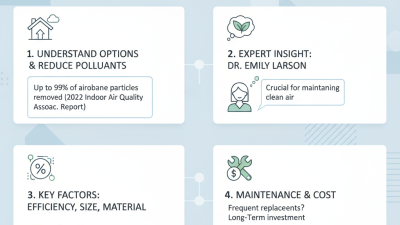
When aiming for optimal air quality, choosing the right ceiling filter is crucial. A ceiling filter impacts indoor environments significantly. It captures airborne particles, allergens, and pollutants effectively. Many overlook this element in their HVAC systems. Yet, its role is paramount for health and comfort.
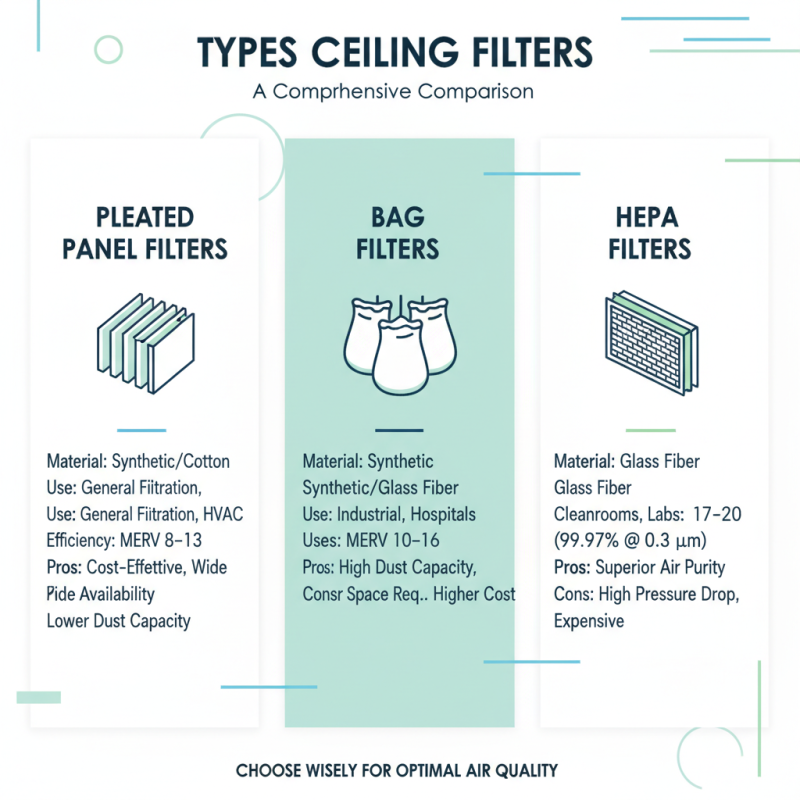
In crowded spaces, air quality can degrade rapidly. Installing a reliable ceiling filter can help mitigate these risks. Various types are available, each tailored for specific needs. From HEPA filters to electrostatic options, understanding them is vital. Selecting the right one requires attention to detail and knowledge.
However, not every ceiling filter fits all settings. Some may lack efficiency for larger areas. Others might need frequent replacements, increasing maintenance costs. A thoughtful evaluation of options can prevent future issues. Relying on expert recommendations can also enhance your decision-making process. Ultimately, an informed choice leads to healthier air and a better living experience.
Overview of Ceiling Filters and Their Importance for Air Quality
Ceiling filters play a crucial role in maintaining indoor air quality. Poor air quality can lead to serious health issues. Studies show that 50% of respiratory illnesses are linked to indoor air pollution. This pollution often originates from dust, allergens, and volatile organic compounds (VOCs). A well-functioning ceiling filter can effectively trap these particles, enhancing the air you breathe.
According to the Environmental Protection Agency (EPA), indoor air can be up to five times more polluted than outdoor air. Regular maintenance of ceiling filters is essential. Neglected filters can harbor mold and bacteria, which can compromise air quality. Implementing a monitoring system to regularly check filter performance can prevent these risks. Additionally, selecting filters with appropriate MERV ratings can greatly improve filtration efficiency.
While ceiling filters provide significant benefits, they are not a catch-all solution. The size and layout of rooms also impact air circulation. Inadequate airflow can lead to stagnation, despite using high-efficiency filters. A comprehensive approach may involve strategically placing air purifiers and ensuring proper ventilation. This can help reduce reliance solely on ceiling filters for optimal air quality.
Best Ceiling Filters for Optimal Air Quality Solutions
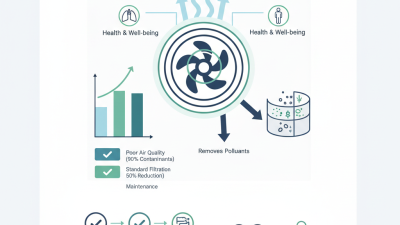
This chart displays the effectiveness of various types of ceiling filters in improving indoor air quality. The data represents the percentage efficiency of each filter type in capturing particulate matter (PM2.5) and volatile organic compounds (VOCs).
Key Features to Consider When Choosing Ceiling Filters
Choosing the right ceiling filters is crucial for maintaining optimal air quality. Effective filters can significantly reduce airborne pollutants, preventing health issues. Consider the filtration efficiency rated by the Minimum Efficiency Reporting Value (MERV). A MERV rating between 8 and 13 is typically recommended for residential use. According to the American Society of Heating, Refrigerating and Air-Conditioning Engineers (ASHRAE), filters with higher efficiency reduce particulate matter by up to 95%.
Another important feature is the filter's lifespan. Many filters need replacement every three months. However, some high-efficiency options can last up to six months or longer. Check if the filter is washable or disposable. Washable filters may save costs in the long run, but their cleaning can be time-consuming. Reflect on how often you want to maintain your air quality system.
Consider the noise level as well. Some filters can create a lot of noise. A quieter filter can provide a more comfortable environment. Industry reports suggest that noise levels from ventilation systems can affect productivity and overall comfort. Therefore, balancing filtration efficiency with noise control is essential. Think about the specific needs of your living or working environment when choosing ceiling filters.
Installation Tips for Optimal Performance of Ceiling Filters
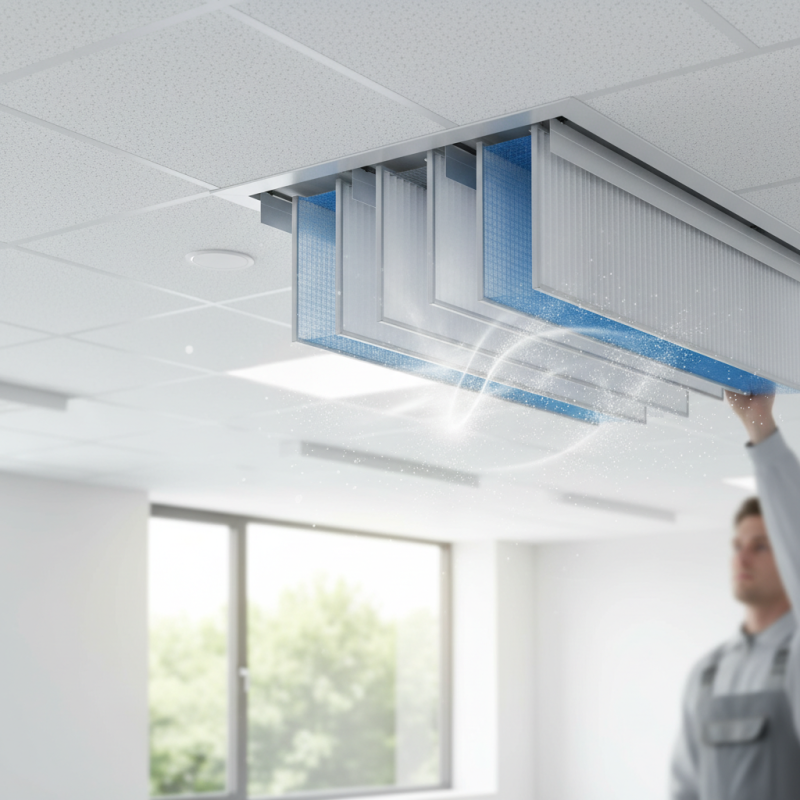
Installing ceiling filters can greatly improve indoor air quality. Ensuring optimal performance requires careful attention to detail. Here are some tips to enhance your installation process.
Start by selecting the right size filter. A filter that is too small won’t effectively trap contaminants. Measure your ceiling fixtures accurately before purchasing. This prevents unnecessary returns and wasted time. Always check for compatibility with your existing system. Being extra careful here adds reliability to your setup.
Next, consider airflow direction. Many filters have an airflow indicator. Installing them in the wrong direction can decrease efficiency. Make sure to follow the manufacturer’s guidelines. Regular maintenance is also crucial for optimal performance. Clean or replace your filters every few months. This minimizes dust buildup and ensures longevity.
Lastly, don’t overlook the overall cleanliness of the installation site. Dust and debris can affect the air quality. Spend time cleaning the area before installation. Small changes can lead to significant improvements in air quality. Don’t rush the process, as thoroughness pays off in the long run.
Maintenance Practices for Prolonging the Life of Ceiling Filters
Maintaining ceiling filters is crucial for ensuring optimal air quality. Regular maintenance helps to enhance their performance and extend their lifespan. One common practice is to check the filters every month. Dust and debris can accumulate quickly, so frequent inspections are essential. Cleaning the filters with a vacuum cleaner or mild soap and water can remove some buildup, but it is vital to follow the manufacturer’s guidelines.
Another key aspect is knowing when to replace filters. Most filters have a recommended lifespan, typically ranging from three to six months. However, factors like air pollution levels or usage can reduce this duration. Ignoring this can lead to poor air quality and potential health issues. Consider tracking filter changes in a calendar or app.
Lastly, consider the environment where the filters are installed. High humidity or smoky areas may require more frequent maintenance. Reflecting on these aspects can improve air quality and safeguard health. Regular care takes time, but the benefits to indoor air quality are significant.
Best Ceiling Filters for Optimal Air Quality Solutions
| Filter Type |
MERV Rating |
Material |
Lifespan (Months) |
Recommended Maintenance |
| Pleated Filter |
8-13 |
Polyester |
6-12 |
Check monthly, replace every 3-6 months |
| HEPA Filter |
17-20 |
Glass Fiber |
12-24 |
Inspect every month, replace annually |
| Activated Carbon Filter |
8-12 |
Carbon |
6-12 |
Replace every 3-6 months |
| Electrostatic Filter |
10-12 |
Synthetic Media |
12-24 |
Wash every 1-3 months, replace every 1-2 years |
| Washable Filter |
5-10 |
Metal/Synthetic Media |
Indefinite (with proper care) |
Clean every 3-6 months |