10 Best Hepa Air Filters for Cleaner Indoor Air Quality?
Indoor air quality significantly impacts our health and wellbeing. The right Hepa Air Filter can make a notable difference. Particles like dust, pollen, and pet dander linger in our homes, affecting our breathing. An effective Hepa Air Filter traps these pollutants, promoting cleaner air.
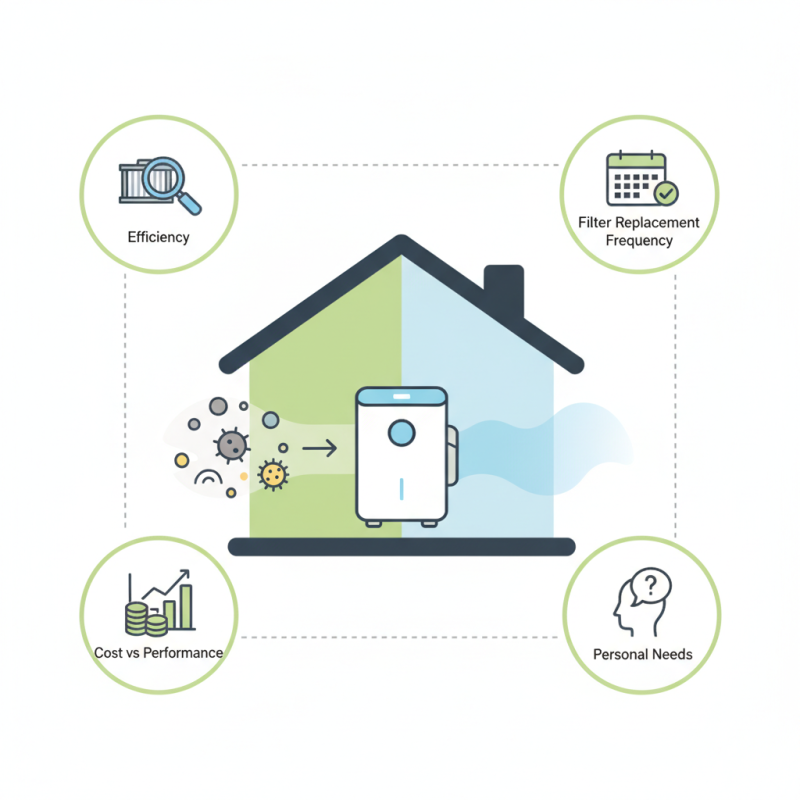
Selecting the best Hepa Air Filter requires careful consideration. Some filters are more efficient than others. Many choose based solely on brand reputation. However, effectiveness should be the primary focus. Features like filter replacement frequency matter. It’s crucial to find a balance between cost and performance.
While some products claim to do it all, not every filter lives up to the hype. User reviews can be misleading. Individual needs vary widely; what works for one may not work for another. Thus, it is essential to reflect on personal requirements before making a decision. In the end, a quality Hepa Air Filter is an investment in a healthier home.
Understanding HEPA Filters: Definition and Standards for Air Quality
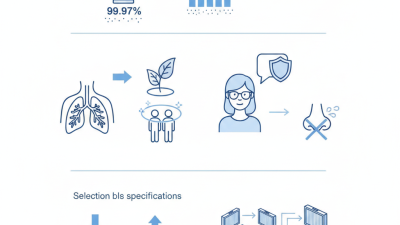
HEPA stands for High Efficiency Particulate Air. These filters are essential for improving indoor air quality. They capture at least 99.97% of particles. This includes dust, pollen, and pet dander. Understanding their standards is crucial. Not all air filters are created equal. Some claims may be misleading.
To qualify as a HEPA filter, it must meet specific criteria. The filter's efficiency depends on its design and material. Manufacturers must adhere to rigorous testing standards. They often rely on lab testing to confirm effectiveness. Personal experiences may vary, making it hard to gauge which filter performs best in diverse settings. Placement of the filter also plays a role in overall air quality.
Many people overlook the importance of regular maintenance. A dirty filter can worsen indoor air quality. Checking and replacing filters is key. It requires discipline and thoughtfulness. Even with the best filter, it is not a cure-all for air quality issues. Regular cleaning and ventilation are also necessary for optimal results.
Key Health Benefits of Using HEPA Filters for Indoor Air Quality
Indoor air quality significantly impacts our health, often more than we realize. Dust, allergens, and pollutants make their way into our homes. These invisible intruders can cause respiratory issues, allergies, and even chronic health problems. Many people overlook this aspect of cleanliness. A HEPA air filter can make a noticeable difference.
HEPA filters trap up to 99.97% of airborne particles. They catch allergens like pollen, pet dander, and mold spores. Imagine breathing easier and feeling more refreshed at home. This technology can also assist in reducing indoor odors. For many, the benefits extend beyond comfort; they influence well-being. Cleaner air may lead to better sleep and improved focus.
However, it’s crucial to maintain these filters regularly. Users sometimes forget this step, leading to reduced efficiency. When filters become clogged, they can no longer purify the air effectively. It’s a reminder to stay vigilant about air quality. Investing in a quality HEPA filter requires commitment. Embracing this proactive approach can lead to a healthier living environment for you and your family.
Top 10 HEPA Air Filters: Performance Metrics and User Reviews
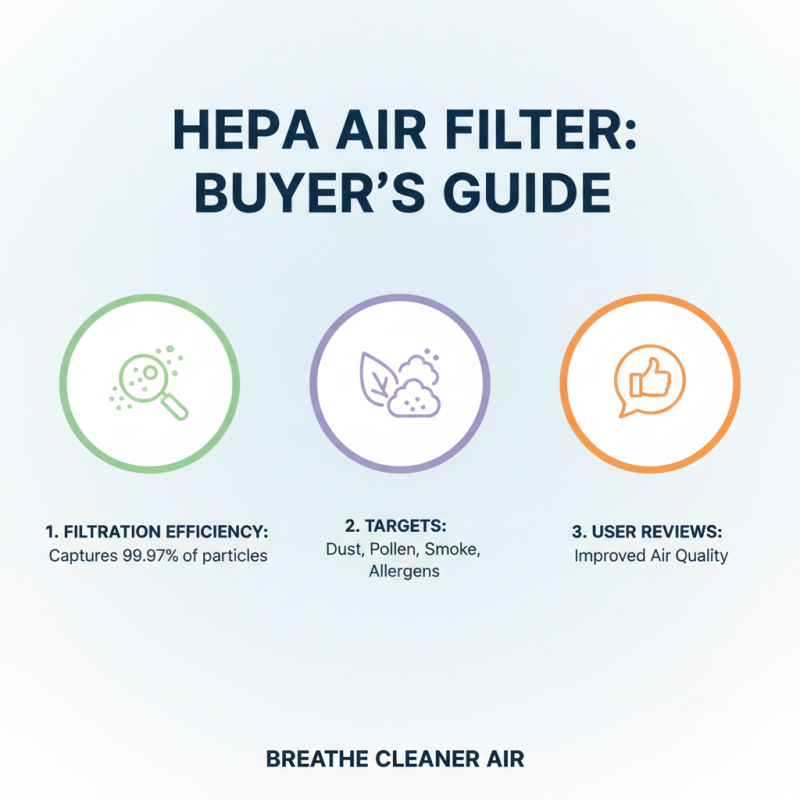
Choosing the right HEPA air filter can significantly improve your indoor air quality. Performance metrics are crucial when selecting a filter. Look for filters that capture at least 99.97% of particles. This includes dust, pollen, and smoke. User reviews often highlight the effectiveness of these filters in removing allergens. Many users report a noticeable difference in air cleanliness after installation.
However, not all HEPA filters meet expectations. Some filters may create airflow restrictions. This can affect the overall efficiency of your heating and cooling systems. Moreover, filter lifespan varies. Some are easy to replace, while others may confuse users with installation. It’s essential to do thorough research before making a purchase. Users recommend reading multiple reviews to avoid common pitfalls.
Many people underestimate the importance of maintenance. Regularly changing or cleaning filters is key to optimal performance. Neglected filters may contribute to more dust and allergens. Some consumers find themselves frustrated when filters don't perform as expected. Hence, striking a balance between cost and quality becomes essential. Always assess user feedback to guide your decision-making process. Quality air filters can significantly enhance your living environment when chosen wisely.
Comparative Analysis: HEPA Filters vs. Other Types of Air Filters
When it comes to air filtration, HEPA filters stand out for their effectiveness. They are designed to capture at least 99.97% of particles as small as 0.3 microns. This includes dust, pollen, and even smoke particles. In homes, especially those with allergies, HEPA filters can significantly improve air quality. However, not everyone may need such high filtration.
Other types of filters exist, each with varying capabilities. Fiberglass filters are common and often less expensive. They can capture larger particles but miss small allergens. Electrostatic filters use static electricity to trap dust and pet dander. They are washable, which makes them more sustainable. Yet, they need regular maintenance to work effectively.
Choosing the right filter depends on individual needs. A family with pets might prioritize HEPA filters. Conversely, someone in a less polluted area might opt for a simpler option. The key is finding balance. Spending money on high-efficiency filters doesn’t always ensure clean air. Proper maintenance and usage are just as crucial.
10 Best Hepa Air Filters for Cleaner Indoor Air Quality
| Filter Type |
Efficiency (%) |
Lifespan (Months) |
Price ($) |
Best For |
| HEPA Filter |
99.97 |
12 |
50 |
Allergies |
| Activated Carbon Filter |
80 |
6 |
30 |
Odor Removal |
| Pre-Filter |
50 |
3 |
10 |
Dust |
| UV Filter |
Not Applicable |
12 |
75 |
Germicidal |
| HEPA-Type Filter |
90 |
9 |
20 |
Budget Option |
| Furnace Filter |
85 |
12 |
25 |
HVAC Systems |
| MERV 13 Filter |
90 |
12 |
35 |
Home Use |
| Pleated Filter |
80 |
6 |
15 |
Home Maintenance |
| Washable Filter |
70 |
24 |
50 |
Eco-Friendly |
| Carbon Panel Filter |
85 |
6 |
40 |
Smoke |
Installing and Maintaining HEPA Air Filters for Optimal Efficiency
Maintaining HEPA air filters is crucial for optimal indoor air quality. Regularly check your filter's condition. A dirty filter can significantly reduce air quality. Visual inspections are essential; look for visible dirt or discoloration. If it appears clogged, it's time to replace it. Installation of these filters should be straightforward, yet many individuals overlook the manufacturer's instructions. Following these guidelines ensures proper fit and performance.
The environment around your filter matters too. Ensure the placement allows for efficient airflow. Avoid tight spaces where air flow can be obstructed. Dust and allergens accumulate faster in cluttered areas. Regular cleaning of your home also supports filter efficiency. Wipe surfaces and vacuum carpets often. However, it's easy to forget these basics amidst a busy lifestyle. Setting reminders to perform these tasks might help.
Additionally, consider the size of the filter based on your room dimensions. A small room may not benefit from an oversized filter. Conversely, a large room needs appropriate coverage to maximize effectiveness. Reviewing specifications can guide your choices, yet this often seems tedious. Many miss these important details in their rush to install. Consider taking a moment to reflect on your filter's role in your home. Your health depends on it.