Best 10 Paint Spray Booth Filters You Should Consider?
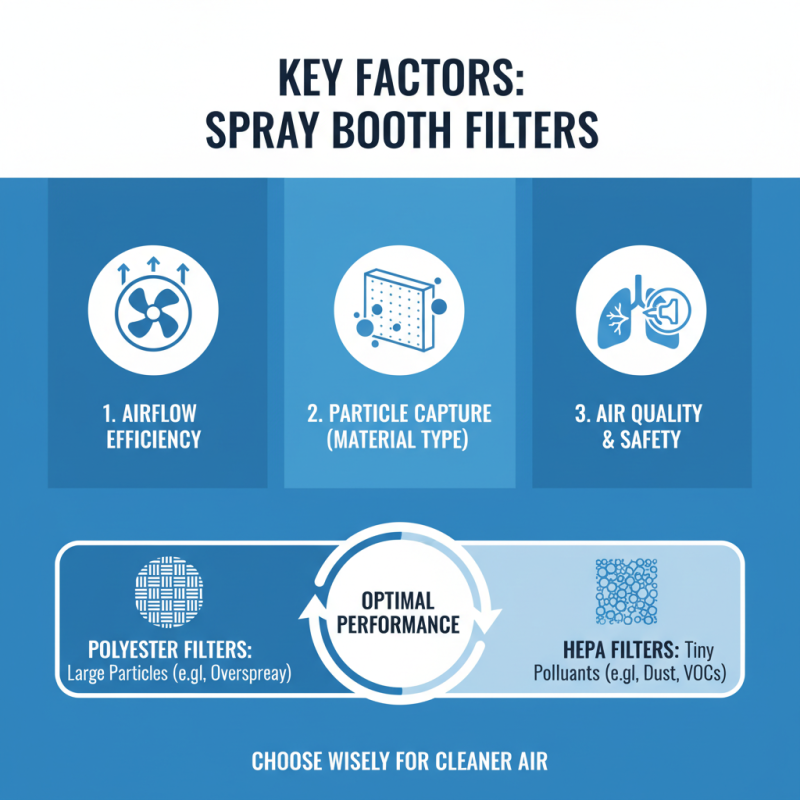
When operating in a paint spray booth, maintaining air quality is paramount. The right Paint Spray Booth Filters can dramatically improve the environment. These filters play a critical role in capturing harmful particles and overspray. They protect both workers and the equipment involved in the painting process.
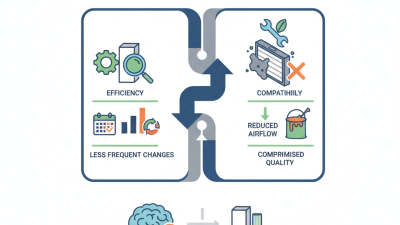
Choosing the best filters can be challenging. With various options available, some may not meet specific needs. It's essential to understand the types of filters, their efficiency, and longevity. A reliable filter contributes to a cleaner workplace. However, not every choice is straightforward. You might find that filters require frequent replacements, adding to operational costs.
Moreover, many users overlook the importance of regular maintenance. Filters that are too clogged become ineffective. Selecting the right Paint Spray Booth Filters is not just about immediate performance but also long-term sustainability. Reflecting on past choices can help you make informed decisions for a more efficient spray booth.
Understanding the Importance of Paint Spray Booth Filters in Industry
In industrial settings, paint spray booth filters play a crucial role. These filters are essential for maintaining air quality and ensuring worker safety. According to data from the Environmental Protection Agency, airborne paint particles can lead to serious health issues. Poor filtration can result in increased respiratory conditions among workers.
In addition, filters help protect equipment from paint build-up and degradation. A study published in the Journal of Industrial Hygiene found that inadequate air filtration can reduce the lifespan of spray booths by up to 30%. This underscores the need for regular filter replacement and maintenance. A reliable filter system not only safeguards health but also enhances the efficiency of operations.
However, not all filters meet the same standards. Many facilities underestimate the importance of choosing high-quality filter media. There are cases where filters clogged with paint debris released harmful particles back into the workspace. Proper training on filter management is often lacking. This leads to overlooked opportunities for improving air quality and safety. Understanding these challenges highlights the need for better practices in managing spray booth filters.
Types of Paint Spray Booth Filters: A Comprehensive Overview
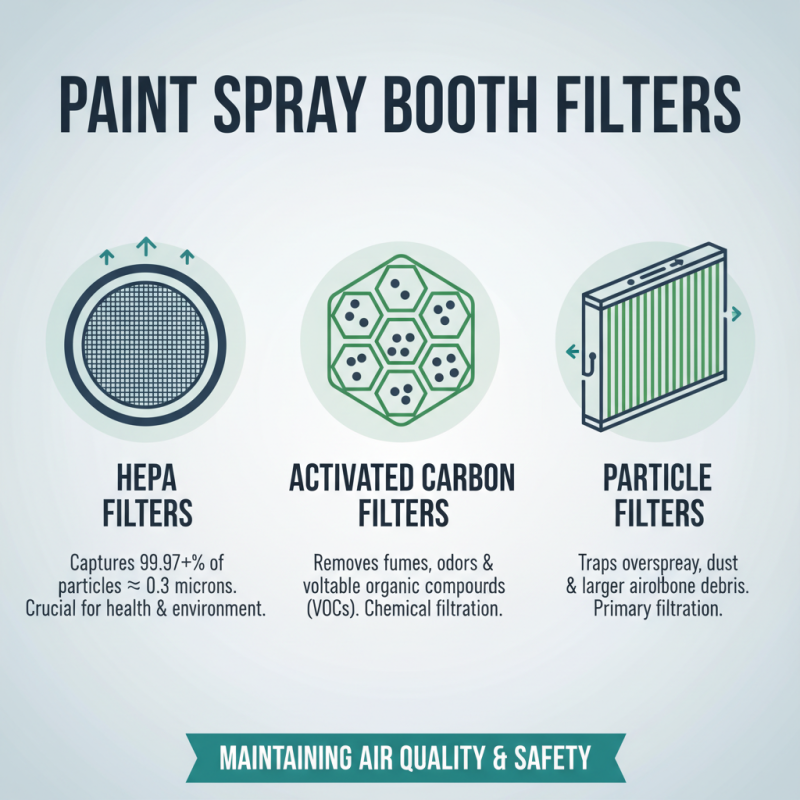
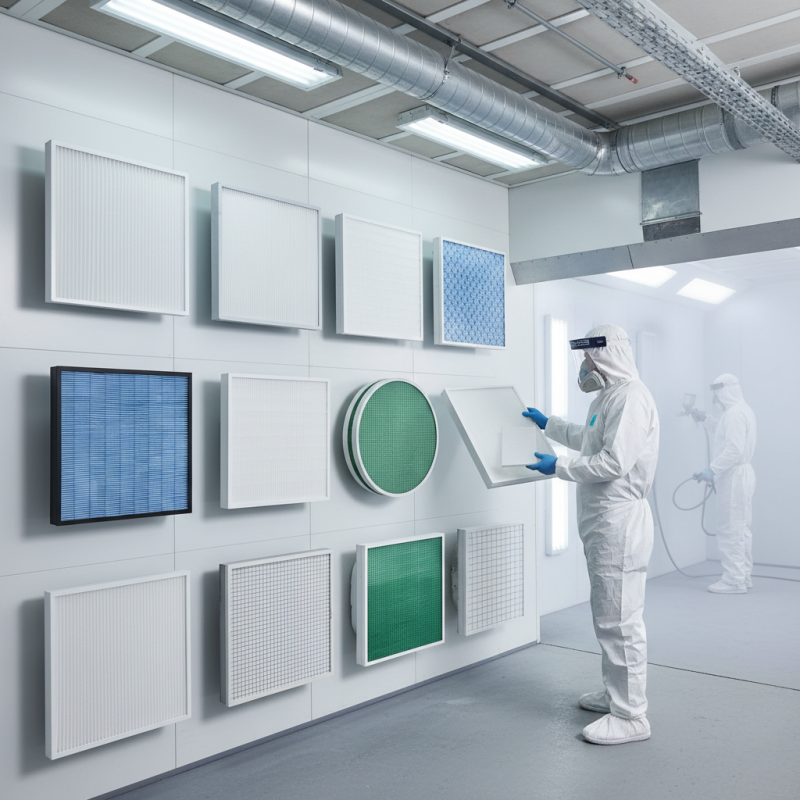
When selecting paint spray booth filters, understanding the types available is crucial. Filter options include HEPA filters, activated carbon filters, and particle filters. Each type serves a specific purpose in maintaining air quality and protecting both the environment and the workers. According to industry reports, HEPA filters can capture over 99.97% of particles 0.3 microns and larger. This efficiency is essential in preventing harmful substances from affecting health.
Activated carbon filters focus on odor and volatile organic compounds (VOCs). They effectively remove noxious gases, which can linger in the workspace. A recent study noted that environments utilizing activated carbon show a marked reduction in complaints regarding air quality. On the other hand, particle filters assist with larger particulates and are often used alongside HEPA filters for comprehensive protection.
The choice of filter directly influences operational efficiency and safety. Some filters may degrade under heavy usage, requiring frequent replacements. Neglecting maintenance can lead to an increased buildup of harmful particles. Businesses should monitor filter performance regularly. Understand the limitations of each filter type, and do not assume one size fits all. Each needs careful consideration based on specific environmental needs and goals.
Top 10 Paint Spray Booth Filters: Features and Specifications
When selecting paint spray booth filters, understanding their features is crucial. Many reports indicate that a high-quality filter can significantly reduce airborne contaminants. According to industry studies, a good filter can capture up to 99% of particles. This statistic emphasizes the importance of efficiency in a spray booth environment.
Quality filters extend the life of spray booths. They prevent clogging, which can lead to costly downtimes. For instance, HEPA filters are often recommended for their fine filtration capabilities. These can trap particles as small as 0.3 microns. An effective filter also enhances air circulation, promoting better paint application and finish quality.
Cost considerations cannot be ignored. More expensive filters often provide better performance, but the initial investment must be weighed against long-term savings. Proper filter maintenance is essential. Regularly changing filters, based on usage, can improve overall spray booth function. Neglecting this can lead to inefficiency and increased costs. Choosing the right filter involves balancing efficiency, cost, and maintenance needs.
Industry Standards and Regulations for Paint Spray Booth Filter Use
When working in a paint spray booth, adhering to industry standards is crucial. These standards ensure safety and compliance. Filters play a key role in maintaining air quality and preventing contamination. They capture harmful particles and fumes. However, not all filters meet regulatory requirements. Choosing the right one can be a challenge.
Regulations vary by region but generally emphasize efficiency and safety. Filters should be tested and certified. Many workers overlook maintenance. Dirty filters can release contaminants back into the air. This neglect can lead to severe health risks. Regular monitoring and replacements are essential. It is vital to stay informed about updates in regulations and industry practices.
Understanding the specific requirements for paint spray booth filters is vital for any operation. Each facility may need different types of filters. Custom solutions often work best. Balancing cost and effectiveness is a common issue. Not all filters offer the same level of protection. This complexity can lead to confusion. Reflecting on these factors can help operators make informed decisions.