10 Best Spray Booth Floor Filter Options for Optimal Performance?
In the world of spray booths, having the right spray booth floor filter is essential for optimal performance. A high-quality floor filter enhances air quality, reduces contaminants, and ensures a smooth spraying process. Poor filtration can lead to defects in finishes, impacting the overall quality of work.
Choosing the right spray booth floor filter can be overwhelming. There are numerous options available, each with unique features and performance capabilities. Some filters may not trap all particles effectively, leaving paint flaws behind. It is crucial to consider the specific needs of your spray booth environment.
Ultimately, the goal is to achieve a balance between efficiency and effectiveness. The right spray booth floor filter can make a significant difference. It is important to assess both the performance and longevity of each filter option. Reflecting on the effectiveness of your chosen filter will help you make informed decisions, ensuring better results in every project.
Understanding Spray Booth Floor Filters and Their Importance
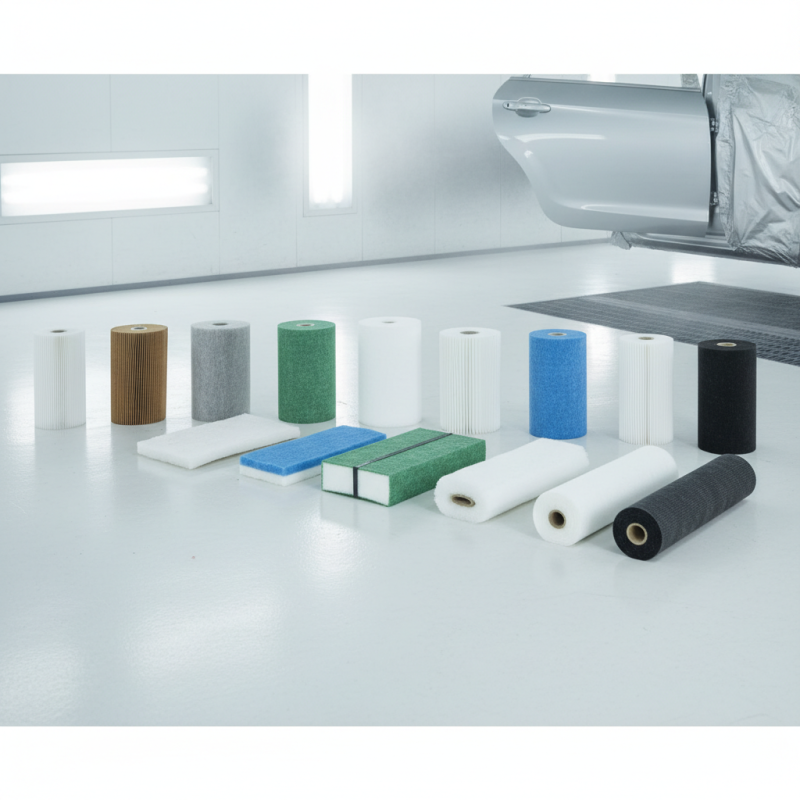
Spray booth floor filters play a vital role in maintaining a clean workspace. They capture overspray and prevent contaminants from settling on surfaces. A clean environment is crucial for achieving high-quality finishes. Poor filtration can lead to defects in paint jobs. It can also result in costly rework and inefficiencies.
Choosing the right filter involves understanding various options. Some filters are designed for heavy-duty use, while others are more suited for lighter tasks. Thickness and material are also important factors. Thicker filters usually trap more particles. However, they may reduce airflow. It's a balancing act.
Tips for optimizing filter performance include regular checks and timely replacements. Dirty filters can lead to airflow issues and increased energy consumption. Another tip is to maintain a consistent cleaning schedule. Accumulated debris can compromise the effectiveness of your filter. Ensuring your spray booth is clean will enhance performance. Investing in quality filters can ultimately save time and money. Remember, a small oversight can lead to big problems in your work.
Key Features to Consider When Choosing Floor Filters
When selecting floor filters for spray booths, a few key features stand out. Efficiency ratings are critical. Filters capturing at least 99% of particles help maintain air purity. Air quality control is essential in spray applications. Many reports suggest that poor air quality can lead to defects in finished products.
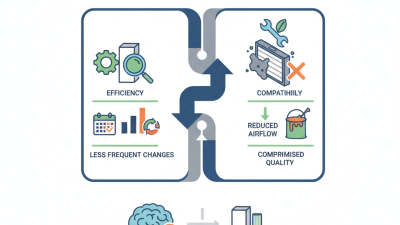
Another important factor is the thickness of the filter. Thicker filters typically have a larger surface area. They can absorb more contaminants before needing replacement. This can reduce downtime in operations. According to industry studies, filters needing less frequent changes can improve overall productivity. Consider also the ease of installation. Filters that are simple to replace save valuable time and labor.
Material composition is equally vital. Many filters are made of synthetic materials, providing better durability. However, some may not be sustainable. This raises questions about environmental impact. In fact, reports indicate that choosing sustainable options can enhance brand reputation. Reflecting on the long-term costs can also lead to better decisions. Often, cheaper options may have hidden maintenance costs. Examining the lifecycle of a filter leads to informed choices.
Performance Comparison of Leading Floor Filter Brands
When choosing spray booth floor filters, performance varies significantly across brands. Some filters excel in capturing particles while others struggle. A notable feature to check is the filter's efficiency rating. High-efficiency filters often trap small particulates, but they can become clogged quickly, affecting airflow. Regular monitoring is essential, or you may find a drop in performance.
Another factor to consider is filter thickness. Thicker filters tend to absorb more contaminants, extending their lifespan. However, if they are too thick, airflow may be compromised. Finding the right balance is crucial. Many users report that breakthrough times differ greatly among brands, indicating the need for experimentation.
Visual indicators like discoloration can signal the need for a change. Yet, not every user notices these signs promptly. Some filters might appear clean despite being less effective. It’s crucial to remain attentive and proactive. Keep track of how each filter performs over time. This way, you can make informed decisions based on real experience rather than just specifications.
Maintenance Tips for Optimal Spray Booth Floor Filter Efficiency
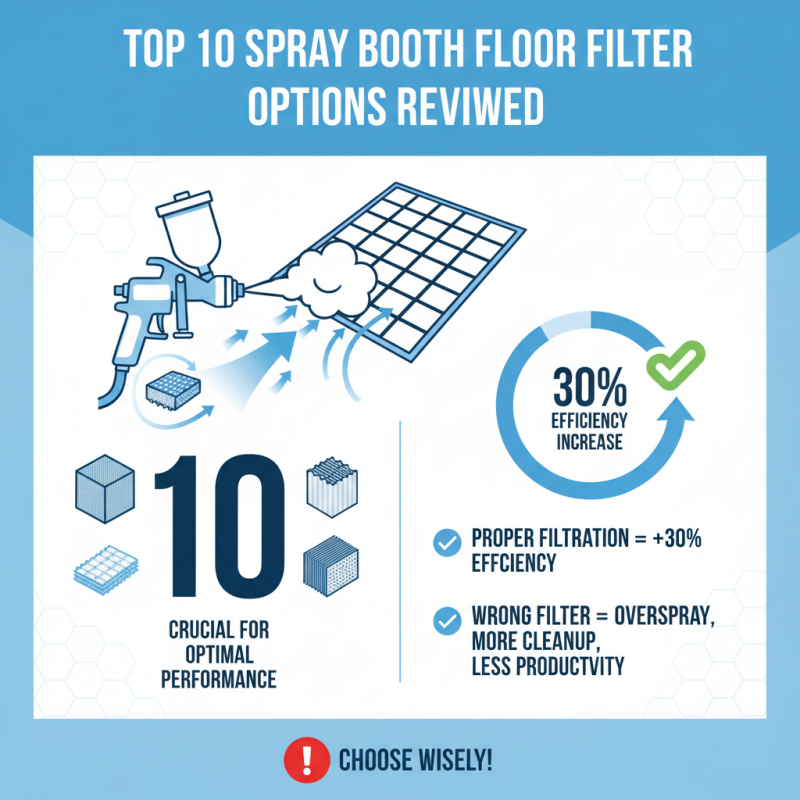
Maintaining the efficiency of spray booth floor filters is crucial for optimal performance. Industry reports indicate that proper maintenance can extend filter life by 30% or more. Regular inspections are vital. Check for any signs of clogging or damage. An obstructed filter can cause a drop in air quality and increase operational costs.
Cleaning the filters regularly is also essential. Depending on the usage, this can mean cleaning daily or weekly. A routine maintenance schedule helps to identify issues early. Using compressed air can dislodge particles and improve airflow. However, be cautious; excessive pressure can damage the filter fabric. Documenting these maintenance actions can foster accountability and reduce the risk of neglect.
Moreover, airflow measurement is critical. An airspeed of 100 to 120 feet per minute is optimal for most booths. Any deviation can signal a need for filter replacement. Ignoring this can lead to significant production losses. Investing in good quality filters is important. Quality correlates with performance and longevity. Balancing cost and efficiency remains a challenge for many operators. Without careful attention, the overall productivity can suffer significantly.