China Best Paint Arrestor Floor Filter for Effective Filtration?
In the quest for effective filtration in spray booths, the "Paint Arrestor Floor Filter" stands out as a critical component. Industry reports indicate that these filters can capture up to 98% of paint particles, improving air quality significantly. Experts emphasize the importance of selecting the right filter. John Thompson, a filtration specialist, once stated, "High-quality paint arrestor filters can make or break a workspace's safety standards."
The design of a Paint Arrestor Floor Filter plays a crucial role in its efficiency. Many filters use multiple layers of media, enhancing their ability to trap harmful particles. However, some businesses overlook the maintenance needed for optimal performance. Regularly replacing filters ensures continued effectiveness. Neglecting this can lead to costly consequences, as clogged filters increase fire risks and reduce airflow.
As the industry evolves, manufacturers innovate to improve filter technologies. Despite these advancements, not all filters meet the necessary standards. Organizations must research and choose certified products to ensure reliability. This ongoing challenge highlights the need for awareness and education in selecting the best Paint Arrestor Floor Filter for any work environment.
Overview of Paint Arrestor Floor Filters in China
In recent years, paint arrestor floor filters have gained traction in various industries across China, particularly in manufacturing and automotive sectors. These filters play a crucial role in controlling airborne paint particles and volatile organic compounds (VOCs). According to the China Environmental Protection Agency, the use of effective paint arrestor filters can reduce VOC emissions by up to 70%. This not only enhances air quality but also ensures compliance with stringent environmental regulations.
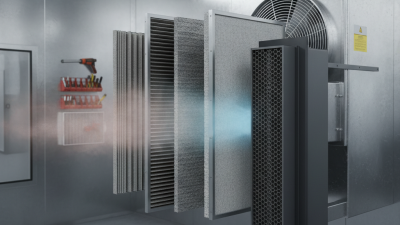
The design of these filters is vital for optimal performance. Effective paint arrestors usually incorporate multiple stages of filtration, trapping larger particles while allowing smaller particles to be captured efficiently. According to industry reports, a well-structured "pocket" system with a depth of 12 inches can provide better airflow and longevity. However, not all filters are created equal. Many available options may fall short in performance, leading to increased maintenance costs and health hazards for workers. Some users report that filters need to be replaced more frequently than expected, highlighting a gap in the industry’s standards.
While paint arrestor floor filters are essential, prospective buyers must be vigilant. Thorough research into filter specifications and third-party certifications can prevent costly mistakes. Industry experts emphasize the importance of regular testing and monitoring to assess the effectiveness of these filters. Inadequately maintained systems may not only harm the environment but also affect operational efficiency, exposing industries to financial risks.
China Best Paint Arrestor Floor Filter for Effective Filtration?
| Filter Type |
Material |
Filtration Efficiency (%) |
Thickness (mm) |
Application |
| Synthetic Fiber Filter |
Polyester |
95 |
12 |
Industrial Paint Booth |
| Metal Mesh Filter |
Stainless Steel |
85 |
10 |
Automotive Refinishing |
| Paper Filter |
Cellulose |
90 |
15 |
Woodworking Shops |
| Electrostatic Filter |
Mixed Media |
99 |
20 |
High-End Paint Applications |
| Activated Carbon Filter |
Activated Carbon |
80 |
25 |
Odor Control |
Efficiency and Effectiveness of Paint Arrestor Filters
Paint arrestor floor filters play a crucial role in ensuring clean air quality in industrial environments. These filters effectively capture harmful particles generated during the painting process. Their efficiency lies in their ability to retain overspray and particulate matter. A well-designed filter can significantly reduce airborne contaminants. However, the effectiveness of these filters can vary based on several factors.
One key factor is the filter's thickness and material. Thicker filters often have more capacity to trap larger paint particles. Yet, they can also slow down airflow, which might impact process efficiency. Regular maintenance is essential. Dirty or clogged filters do not perform well. Users often overlook the need for timely replacement, leading to poor filtration results.
Despite their benefits, not all paint arrestor filters are created equal. Users may find that some filters perform better than others under specific conditions. An evaluation of operational needs is necessary. Adapting filter choice based on pre-existing practices can lead to better outcomes. Each industrial setting has unique requirements, and a one-size-fits-all solution may not always be effective. Seeking expert advice can help in selecting the right filter for optimal performance.
Efficiency of Paint Arrestor Filters
Key Features of High-Quality Paint Arrestor Floor Filters
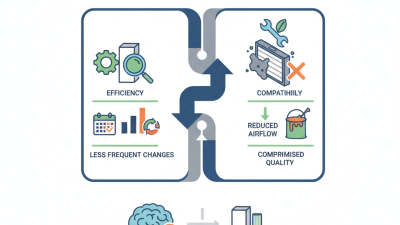
When choosing a high-quality paint arrestor floor filter, it's important to consider key features that enhance efficiency. One essential aspect is the filtration efficiency. A good filter captures overspray and paint particles effectively. This prevents contaminants from spreading in the working area. Additionally, look for filters with a high dust-holding capacity. This feature ensures longer service life and less frequent replacements.
Another crucial feature is the material used in manufacturing the filter. High-quality filters often utilize advanced synthetic materials for enhanced durability. These materials provide better airflow while still trapping paint particles. Furthermore, consider filters designed for easy installation and disposal. Convenience can improve workflow in busy environments.
Lastly, evaluate the filter's resistance to clogging. A filter that clogs frequently can impede airflow and reduce efficiency. Regular maintenance and replacement schedules can mitigate this issue. However, it's vital to monitor the filter’s performance closely. This allows for prompt action when needed. Ultimately, investing in the right paint arrestor floor filter can lead to a cleaner and safer workspace.
Comparison of Paint Arrestor Filters with Other Filtration Systems
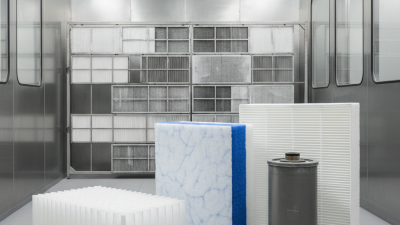
When it comes to effective filtration systems, paint arrestor filters are often compared to other common options. These filters specifically capture airborne particles found in spray painting operations. They excel in removing paint overspray, reducing emissions, and ensuring a cleaner environment. Unlike standard air filters, paint arrestors are designed to handle higher volumes of paint particles.
One important factor is efficiency. Paint arrestors typically offer better performance in capturing smaller particles than regular filters. However, they might require more frequent replacement due to their specialized purpose. Regular maintenance is essential to keep them functioning optimally. A visual inspection should be part of your routine to catch any inefficiencies early.
Tips: Choose the right filter thickness for your operation. Thicker filters may have better efficiency but could restrict airflow. Always follow the manufacturer's guidelines for installation and replacement. Regularly checking your filter status can prevent potential issues and maintain a clean environment. Inadequate filtration might lead to increased emissions that can harm air quality.
Industry Applications and Benefits of Using Paint Arrestor Filters
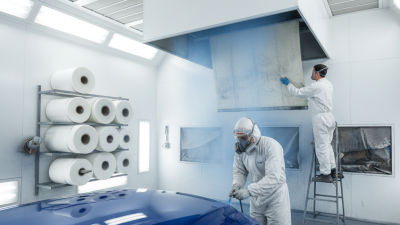
Paint arrestor filters play a crucial role in various industries. They capture overspray and particles produced during painting processes. These filters help maintain air quality and ensure compliance with environmental regulations. In automotive and furniture sectors, their effectiveness improves both safety and operational efficiency.
Using paint arrestor filters can significantly reduce the need for frequent cleaning. This can save time and resources. However, not all filters are created equal. Regular assessments are vital to ensure optimal performance. Businesses may overlook this, leading to costly downtimes.
In industrial applications, these filters also enhance product quality. Contaminated air can compromise paint finishes, leading to defects. Many companies have faced challenges in balancing cost and efficiency. Ensuring the right filtration system is essential, yet it often requires investment and ongoing maintenance.