China Best Paint Stop Techniques for High Quality Results?
In the realm of paint application, achieving high-quality results is essential for both professionals and DIY enthusiasts. As David L. McCarthy, a recognized expert in the Paint Stop industry, once said, "Mastering the Paint Stop technique is the key to an exceptional finish." This insight reflects the industry's focus on precision and detail.
The Paint Stop technique encompasses a variety of approaches designed to enhance the overall quality of the paint job. From surface preparation to the final coat, each step requires careful consideration. Common pitfalls include overlooking surface flaws and improper mixing ratios, which can lead to disappointing outcomes. Understanding these nuances can transform a simple paint project into a work of art.
Engaging with a Paint Stop expert can provide valuable guidance. Yet, even experienced painters sometimes struggle with consistency. It’s important to reflect on past challenges, as these experiences shape our skills. With patience and practice, anyone can learn to apply Paint Stop techniques effectively, ensuring vibrant and lasting results.

Essential Surface Preparation Techniques for Painting in China
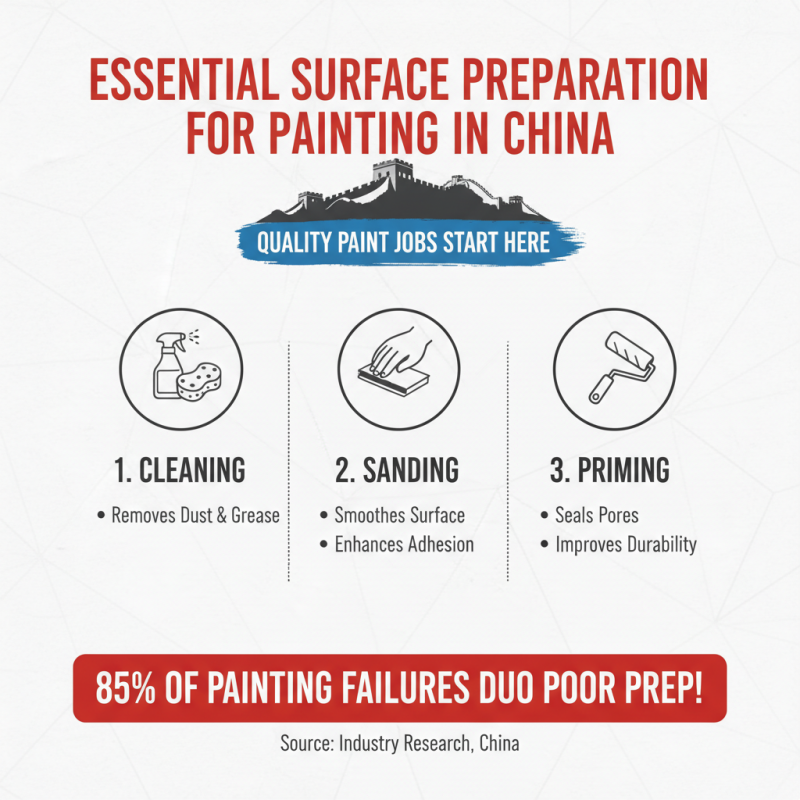
Preparing surfaces properly is crucial for high-quality paint jobs in China. Research shows that nearly 85% of painting failures result from inadequate surface preparation. Cleaning, sanding, and priming are essential steps that enhance paint adhesion and finish durability. Many overlook the importance of a clean surface, which can trap dust and grease beneath the paint.
In China, humidity and dust are common challenges. Studies indicate that high humidity can cause paint to bubble or peel. Therefore, it is advisable to use moisture meters to gauge humidity levels before painting. A well-prepared surface requires attention to detail. Small imperfections can drastically affect the final outcome. For instance, failing to fill holes and cracks can lead to an uneven finish, reflecting poorly on the entire project.
Adopting recommended preparation techniques is a must for contractors and DIY enthusiasts alike. Industry reports emphasize that a thorough pre-painting inspection can save time and resources. Neglecting surface preparation often leads to unforeseen complications, resulting in additional costs and labor. Investing in a meticulous preparation process pays off in the long run.
Choosing the Right Paint and Materials for Optimal Results
Choosing the right paint and materials is crucial for achieving high-quality results in any painting project. Industry reports indicate that approximately 60% of painting issues stem from improper materials selection. For example, using low-quality paint can lead to poor adhesion and reduced coverage. This is especially important in climates with extreme weather conditions, where durable and weather-resistant options are necessary.
Water-based paints are becoming increasingly popular. They provide better performance and lower VOCs emissions, helping to improve indoor air quality. According to the Paint Quality Institute, the right water-based paint can yield up to 30% increased durability over traditional options. However, users often overlook the importance of primers. Neglecting primer can result in uneven finishes and paint peeling.
Additionally, surface preparation plays a significant role. Skipping this step can compromise the longevity of the paint job. A survey found that 70% of professionals claim that proper surface prep directly correlates with the overall satisfaction of the finished product. It's essential to ensure surfaces are clean, dry, and primed appropriately before applying paint. Engaging in these essential practices can help to avoid common pitfalls and enhance the final results.
Application Methods: Brushes, Rollers, and Sprayers Explained
When it comes to achieving high-quality paint results, the choice of application method is crucial. Three primary techniques are brushes, rollers, and sprayers. Each has its unique benefits and limitations, which can significantly affect the final outcome of your project. Understanding these can help enhance your painting skills.
Using a brush allows for precision. It is perfect for intricate areas like corners and edges. The bristles can control paint flow and help in achieving a fine finish. However, this method can take longer and requires more effort to avoid visible brush strokes. A careful hand is necessary to ensure consistency and avoid uneven patches. There may be moments when you apply too much pressure, which can lead to mistakes that demand touch-ups.
Rollers are ideal for covering large surfaces quickly. They can hold more paint than brushes, reducing the number of trips back to the paint can. However, achieving an even coat can be tricky. If you’re not careful, you may end up with roller marks or a patchy finish. Sprayers, while fast and efficient, can produce overspray and require practice to master. They offer a smooth, even coat but can be daunting for beginners. Mistakes like overspraying can lead to waste and touch-up complications.
China Best Paint Application Techniques
This chart illustrates the effectiveness of various paint application methods commonly used in China: Brushes, Rollers, and Sprayers. Each method has its own strengths, with Sprayers being the most effective for large areas, while Brushes offer precision for detailed work.
Common Mistakes to Avoid for a Flawless Finish
When aiming for a flawless finish in painting, avoiding common mistakes is crucial.
One prevalent issue is neglecting surface preparation. A study from the Painting and Decorating Association
indicates that 70% of paint failures are due to improper surface conditions. This includes dirt, grease, or old paint.
Taking the time to properly clean and sand the surface can dramatically enhance adhesion and durability.
Another frequent error is applying paint in unsuitable weather conditions. The ideal temperature for painting is between 50°F and 85°F.
High humidity can affect drying times and finish quality. In fact, over 40% of amateur painters overlook this detail,
leading to issues like bubbling or streaking. Additionally, applying too thick a coat can result in a wrinkled appearance.
Thin, even layers yield better results.
Using the wrong tools also contributes to poor outcomes. Selecting brushes or rollers that aren’t appropriate for the surface can lead to uneven textures.
A survey indicated that nearly 60% of DIY painters choose tools based on availability rather than suitability.
This often results in an unappealing finish that requires rework.
Being mindful of these details is essential for achieving professional-grade results.
Final Touches: Techniques for Curing and Touch-Up Restoration
Achieving a flawless finish in paintwork requires careful attention to the final touches.
Curing is a crucial aspect often overlooked. Allowing the paint to cure properly ensures the colors adhere well and enhances durability. This process can vary based on environmental factors like humidity and temperature. A controlled environment promotes a more consistent outcome.
Touch-up restoration can be challenging. It involves matching the existing paint and texture, which requires patience and skill. Often, a slightly off-color touch-up can make the entire job look inconsistent. It’s essential to test the match on a small area first. Even the most experienced painters face moments of doubt when matching colors.
Taking the time to properly prep surfaces before touch-ups is vital. This includes cleaning and sanding the area. Skipping these steps can lead to uneven applications. Consistency is key, but imperfections can occur. Reflecting on past mistakes helps refine techniques for better results. Embrace the process, learning from each project, and aiming for continual improvement.