China Best Spray Booth Filter Material for Superior Air Quality?
In the pursuit of superior air quality, selecting the right Spray Booth Filter Material is crucial for various industries. According to a report by the International Association of Air Quality Professionals, proper filtration can reduce harmful airborne particles by up to 99%. This statistic highlights the importance of effective filter materials in spray booths.
Industry expert Dr. Emily Zhang emphasizes, "The right filter material not only captures contaminants but also enhances overall air quality." Such insights reflect the growing emphasis on health and safety standards in manufacturing spaces. With increasing regulations worldwide, businesses must prioritize the use of high-quality spray booth filter materials.
Despite advancements, many facilities still opt for lower-quality options. This approach can lead to inefficiencies and health risks for workers. The challenge lies in balancing cost against the need for reliable performance. As industries evolve, continuous assessment of filter materials remains essential for ensuring cleaner, safer environments.
China's Leading Spray Booth Filter Materials: An Overview
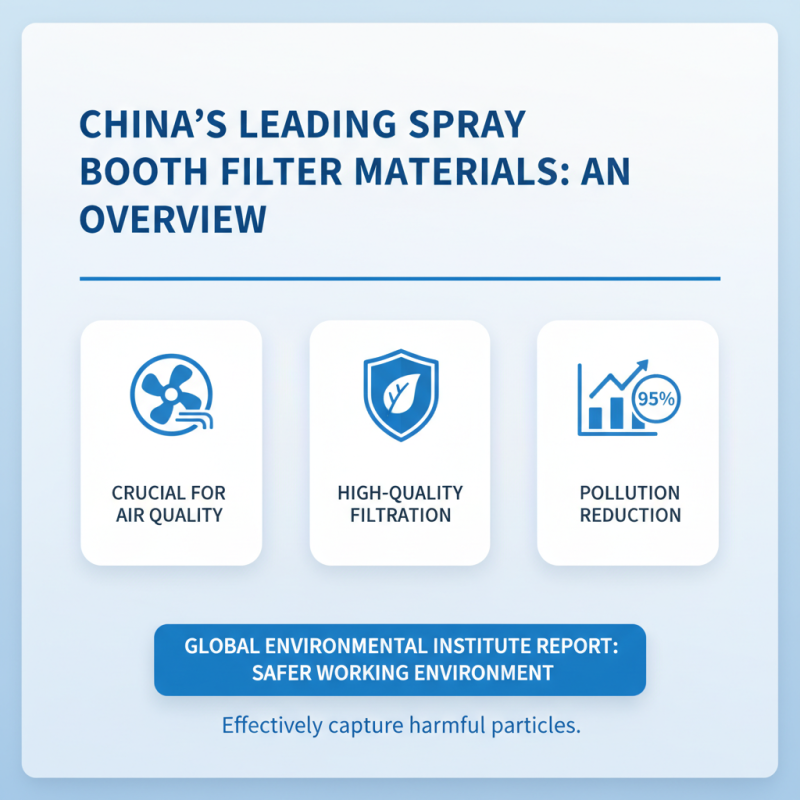
In today’s industrial landscape, spray booth filter materials are crucial for maintaining air quality. China has emerged as a key player in producing high-quality filter materials designed for optimal performance. These filters effectively capture harmful particles, ensuring a safer working environment. According to a recent report by the Global Environmental Institute, air pollution can be reduced by up to 95% with the right filtration systems in place.
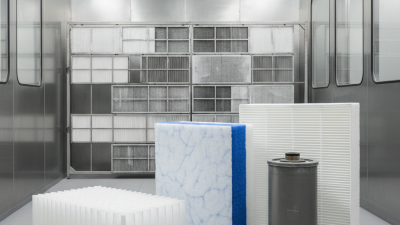
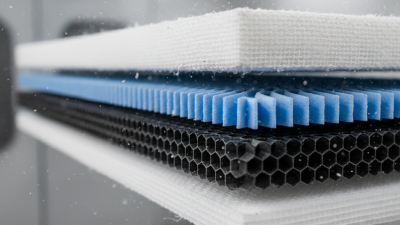
A significant aspect to consider is the composition of these filters. Advanced materials like synthetic fibers and activated carbon are widely used. They offer exceptional durability while enhancing filtration efficiency. The use of multi-layer designs has also shown promising results. These innovations allow industries to meet stringent air quality standards, with many studies indicating a correlation between filter quality and reduced respiratory illnesses.
However, there is room for improvement within the industry. Not all products undergo rigorous testing, leading to discrepancies in performance claims. Some manufacturers do not always provide transparency regarding material sourcing and environmental impact. Buyers must remain vigilant and seek filters backed by reliable certifications. Awareness can drive demand for more accountable production practices.
Key Characteristics of High-Performance Spray Booth Filters
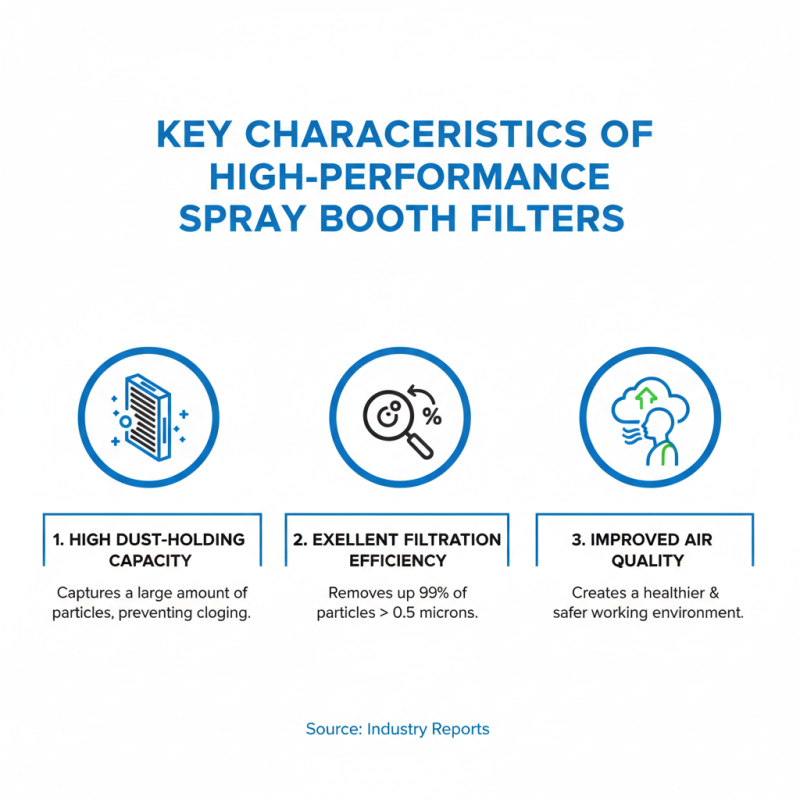
When selecting spray booth filter materials, air quality is paramount. High-performance filters have key traits that enhance the working environment. First, a good filter should have a high dust-holding capacity. According to industry reports, filters that can capture up to 99% of particles larger than 0.5 microns significantly improve air quality.
Another important characteristic is the airflow resistance. Filters with lower resistance allow better air circulation. This is crucial since optimal airflow leads to improved paint application and a cleaner workspace. Research indicates that resistance should ideally be below 0.2 inches of water. However, achieving this can be challenging with certain materials. Manufacturers often struggle to balance efficiency and airflow, needing constant innovation.
Moisture resistance is also a vital trait. Filters should manage humidity effectively to avoid compromising air quality or the painting process. Yet, many existing solutions fall short, necessitating further examination and improvement. Regular testing and updates based on the latest findings can help ensure these filters meet industry standards and provide reliable performance in varying conditions.
Impact of Filter Media on Air Quality and Pollution Control
Choosing the right filter media is crucial for achieving superior air quality in spray booths. Filters are designed to capture particulates and harmful emissions, significantly impacting the environment. High-efficiency filters can trap a wide range of airborne pollutants. These include dust, paint particles, and volatile organic compounds (VOCs). However, not all filter materials are equal.
Certain materials perform better than others in specific situations. For instance, synthetic fibers provide excellent filtration but may lack the durability of other options. Regular maintenance and replacement are essential. If filters become clogged, they can release trapped pollutants back into the air. Users often overlook this aspect, leading to compromised air quality.
Additionally, the filter design influences airflow and pressure drop. A poorly designed filter can restrict airflow, causing stress on equipment. This may lead to increased energy consumption and higher operational costs. Balancing filtration efficiency with equipment requirements is vital. Evaluating filter performance allows for intentional decisions in pollution control. Investing in quality materials and understanding their implications is necessary for effective air quality management.
China Best Spray Booth Filter Material for Superior Air Quality? - Impact of Filter Media on Air Quality and Pollution Control
| Filter Material Type |
Efficiency (%) |
Particle Size Reduction (µm) |
Lifespan (Hours) |
Cost per Unit ($) |
| Fiberglass |
95 |
5 |
100 |
20 |
| Polyester |
90 |
10 |
80 |
15 |
| HEPA |
99.97 |
0.3 |
200 |
40 |
| Activated Carbon |
85 |
15 |
60 |
25 |
| Electrostatic |
92 |
7 |
120 |
30 |
Industry Standards and Regulations for Spray Booth Filtration
Spray booth filtration plays a critical role in ensuring air quality within industrial environments. Regulators emphasize the importance of selecting appropriate materials for filters. According to the Environmental Protection Agency (EPA), spray booths must adhere to stringent limits for volatile organic compounds (VOCs). For instance, high-efficiency particulate air (HEPA) filters capture at least 99.97% of particles that are 0.3 microns in diameter. This is vital in minimizing harmful emissions and protecting both workers and the environment.
Based on industry data, inadequate filtration systems often lead to increased paint waste and higher operational costs. A study by the National Institute for Occupational Safety and Health (NIOSH) highlighted that poor filtration could raise airborne particulate levels, resulting in respiratory issues for employees. Additionally, non-compliance with OSHA regulations can lead to penalties and legal troubles, emphasizing the need for effective filtration solutions.
Choosing the right filter material, such as activated carbon or advanced synthetic blends, greatly impacts air quality. However, some facilities still rely on outdated methods, raising questions about safety and efficiency. Continuous monitoring of filter performance is crucial, yet many companies overlook this aspect. This oversight can lead to significant efficiency losses and unintended health risks. The industry must prioritize innovation to meet evolving standards, creating a safer working environment.
Comparative Analysis of Filter Efficiency Ratings in China
When considering spray booth filter materials in China, filter efficiency ratings are critical. These ratings indicate how well a filter can remove pollutants from the air. High-efficiency filters can trap very small particles, providing better air quality. However, not all filters are created equal. Some may perform well in lab tests but fail in real-world conditions.
Manufacturers often use different testing methods, making comparisons challenging. The efficiency rating may vary based on the environment and the type of contaminants present. Real-world usage often shows discrepancies. A filter that works well in one setting might not perform effectively in another. This inconsistency prompts further investigation into materials and designs that enhance reliability.
It's also important to consider the lifespan of filters. More efficient filters may need to be replaced frequently. This could lead to higher operational costs. On the other hand, filters with lower efficiency ratings might need less maintenance but can compromise air quality. Thus, choosing the right filter requires balancing efficiency and cost-effectiveness.