China Top Spray Booth Ceiling Filter for Global Buyers?
In the dynamic world of industrial painting, the role of the Spray Booth Ceiling Filter cannot be underestimated. John Smith, an industry expert with over 20 years of experience, emphasizes, "The right filter can make or break the painting process." With global buyers increasingly seeking efficient solutions, the demand for high-quality ceiling filters has surged.
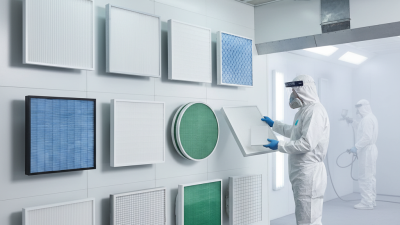
These filters are essential for maintaining air quality in spray booths. They capture overspray and particulates, ensuring a cleaner working environment. However, choosing the right filter is not always straightforward. Buyers often face challenges due to varying specifications and performance standards. Such complexities can lead to suboptimal choices, affecting productivity.
As the market evolves, experts stress the importance of research. Buyers need to consider filter material, efficiency ratings, and compatibility with spray equipment. A misstep here can cause operational headaches and increased costs. While the Spray Booth Ceiling Filter industry offers many options, understanding the unique requirements of each application is crucial for success.
China’s Leading Role in Spray Booth Ceiling Filter Manufacturing
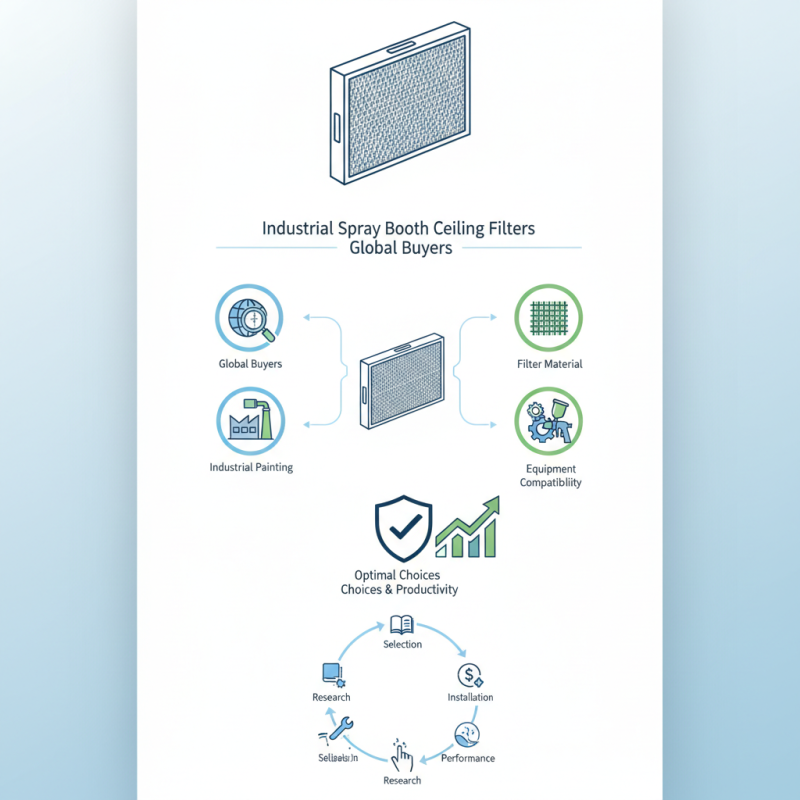
China has emerged as a leading manufacturer of spray booth ceiling filters. This development reflects its comprehensive industrial capacity and advanced technology. The country utilizes innovative materials that enhance filter efficiency. High-quality standards are implemented throughout the production process. Many global buyers are now placing their trust in Chinese manufacturers for durable and effective solutions.
The potential for improvement in some areas remains. Despite advancements, consistency in quality can vary among suppliers. Buyers need to conduct thorough research before committing. For instance, checking certifications and previous client feedback can provide insights. A focus on sustainable practices in production is also gaining traction. This is key for companies aiming for long-term success in the eco-conscious market.
Regional expertise contributes to China’s competitive edge. Engineers continually refine designs to meet diverse customer needs. This adaptability supports a growing demand globally. Yet, challenges such as fluctuating raw material costs must be addressed. Such issues may affect pricing and availability. Overall, China’s role in spray booth ceiling filter manufacturing is significant yet evolving.
China's Leading Role in Spray Booth Ceiling Filter Manufacturing
The chart above illustrates China's growing influence in the global market for spray booth ceiling filters over the past few years. With an increase from 35% to 50% in market share from 2020 to 2023, it highlights China's leading role in manufacturing and exporting these essential components.
Key Features of High-Quality Spray Booth Ceiling Filters in China
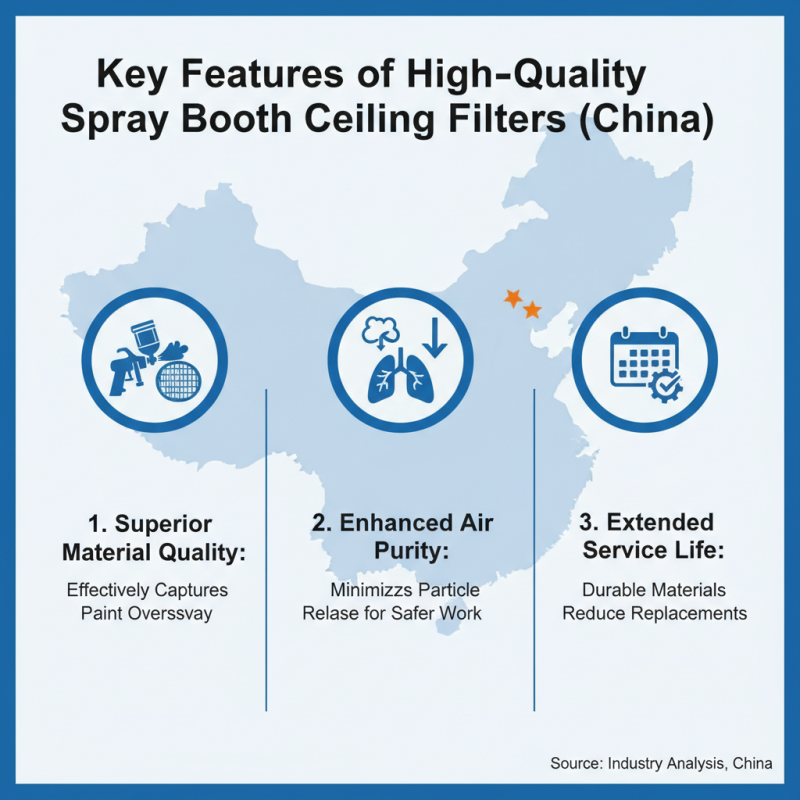
When selecting a spray booth ceiling filter, buyers should prioritize the quality of materials. High-quality filters effectively capture paint overspray. They minimize particle release in the air, promoting a safer working environment. Filters made from durable materials can last longer, reducing the frequency of replacements.
Another critical feature is the filter's airflow resistance. Filters must allow adequate airflow while trapping contaminants. If the resistance is too high, it can hinder spray booth performance. This situation may create uneven paint application, leading to poor product quality. Regular maintenance and monitoring can help mitigate this issue.
Lastly, buyers should consider the ease of installation. A user-friendly design can save time and labor costs. Not every filter fits all setups, making compatibility crucial. It's wise to reflect on specific needs before making a decision. Each facility's requirements may differ, so careful evaluation is essential.
Market Trends: Demand and Supply Dynamics for Spray Booth Filters Globally
The global market for spray booth filters is witnessing significant changes. Recent studies indicate a growing demand for efficient air filtration solutions. According to a report by ResearchAndMarkets, the spray booth filter market is projected to grow at a CAGR of 5.7% from 2023 to 2030. This growth is driven by increasing regulations on air quality and a surge in industrial activities.
In many regions, particularly in Asia-Pacific, manufacturers are investing in advanced filtration technologies. They seek to optimize production processes while minimizing environmental impact. However, challenges remain. Some manufacturers struggle to keep up with evolving standards. Inconsistencies in filter quality across suppliers can create reliability issues. The need for standardized testing protocols has become evident.
Moreover, the supply chain dynamics are shifting. A report from MarketsandMarkets highlighted disruptions caused by the pandemic. These disruptions have affected the availability of raw materials. Manufacturers must adapt by building more resilient supply chains. This will ensure timely delivery and maintain filter production efficacy in the rising demand landscape. Such adaptability is crucial for long-term success in this competitive market.
China Top Spray Booth Ceiling Filter for Global Buyers - Market Trends
| Region |
Demand (Units) |
Supply (Units) |
Market Share (%) |
Growth Rate (%) |
| North America |
150,000 |
140,000 |
30% |
5% |
| Europe |
120,000 |
110,000 |
25% |
4% |
| Asia Pacific |
200,000 |
190,000 |
40% |
8% |
| Latin America |
80,000 |
75,000 |
15% |
3% |
| Middle East & Africa |
60,000 |
55,000 |
10% |
2% |
Impact of Regulatory Standards on Spray Booth Filter Production in China
In recent years, stringent regulatory standards have transformed the production landscape for spray booth filters in China. These regulations aim to enhance air quality and occupational safety. According to the Environmental Protection Administration, compliance with these standards requires significant investment in technology and materials. Companies that adapt early gain a competitive edge, while those that lag risk penalties.
Data from industry reports reveal that 70% of manufacturers are increasing spending on high-efficiency filters. This shift aligns with global trends towards sustainability. However, the transition is not without challenges. Many manufacturers struggle with sourcing eco-friendly materials. This gap can lead to compromised filter performance. Some companies must reconsider their strategies to keep pace.
The compliance landscape is evolving. Stakeholders need to understand the impact of these regulations. Knowledge sharing among manufacturers could improve standards across the board. Incidents of non-compliance create long-term trust issues with clients. As the market expands, continuous adaptation becomes crucial. Understanding the intricacies of regulatory requirements can differentiate successful businesses from those facing setbacks.
Comparative Analysis: Chinese Spray Booth Filters vs Global Competitors
When comparing Chinese spray booth filters to global competitors, several factors emerge. Chinese manufacturers often focus on cost efficiency. They utilize innovative materials and processes to create filters that meet rigorous standards. This approach makes their products appealing to buyers seeking budget-friendly options.
However, there are concerns regarding quality consistency among some Chinese products. Variability in manufacturing practices can lead to discrepancies in filter performance. This reality prompts buyers to assess the reputation and certifications of manufacturers more carefully. Exploring reviews and seeking third-party testing can also provide valuable insights.
On the other hand, established global brands may offer higher reliability but often at a premium price. Their research and development investments lead to advanced technology in filter design. Nevertheless, this can mean higher costs for similar functionality. Buyers should weigh the initial investment against long-term performance and maintenance needs. Balancing quality with cost can be challenging but is essential for making informed decisions.