How to Choose the Best Paint Booth Exhaust Filter Roll?
Choosing the right Paint Booth Exhaust Filter Roll is crucial for optimal performance. Expert John Smith, a leader in the paint booth industry, states, "The right filter can make all the difference in air quality and booth efficiency."
Inadequate filters can lead to operational challenges. You may experience increased overspray, reduced visibility, and compromised paint finishes. Selecting the best filter requires careful consideration of various factors. Not all filters are created equal.
Many users overlook the importance of filter quality, focusing only on cost. However, investing in a high-quality Paint Booth Exhaust Filter Roll can save money long-term. The right choice can enhance airflow, ensuring a cleaner environment and better results. Don't rush the decision; reflect on your specific needs and booth requirements.
Understanding the Purpose of Paint Booth Exhaust Filters
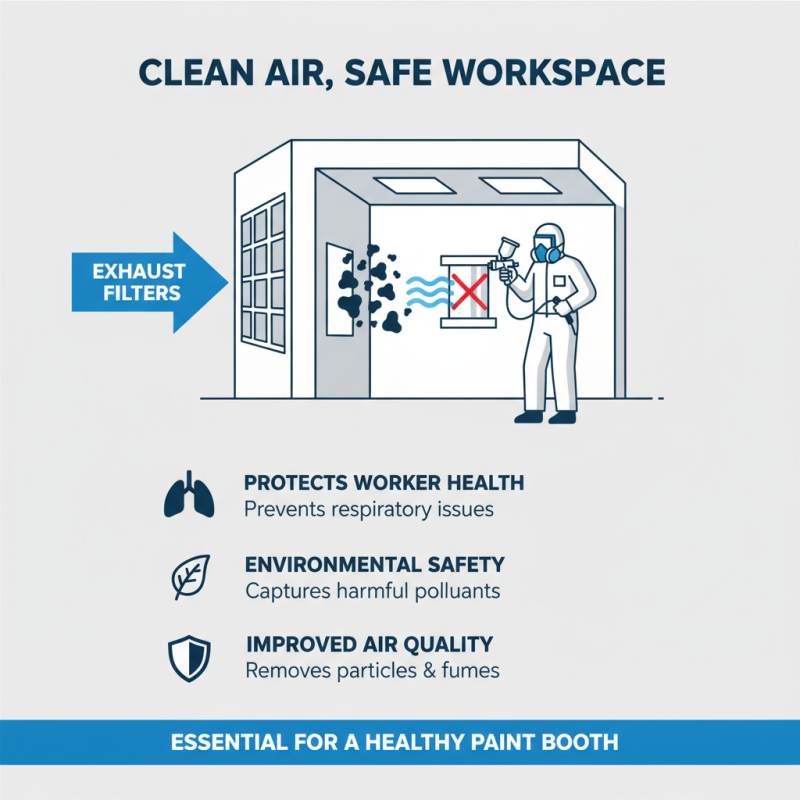
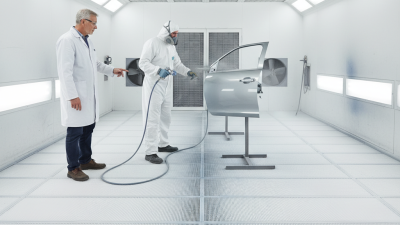
Paint booth exhaust filters play a crucial role in maintaining a safe and clean workspace. They capture harmful particles and fumes generated during the painting process. This prevents contaminants from entering the environment and protects the health of workers. Without proper filters, air quality can deteriorate quickly, leading to potential respiratory issues.
When selecting filters, consider the material and efficiency. Some filters are designed for specific paint types. Others may capture general particulates but not vapors. Assess your painting process to determine the right fit. Easy installation and replacement are key features to look for. Frequent maintenance is necessary to ensure these filters function optimally.
**Tips:** Always check filter specifications before purchase. Knowing your paint type helps in making informed choices. Also, consider safety data sheets from paint manufacturers. Regularly monitor filter performance to avoid unexpected downtimes. Remember, investing in better filters can lead to cleaner air and a healthier work environment.
Types of Paint Booth Exhaust Filters Available on the Market
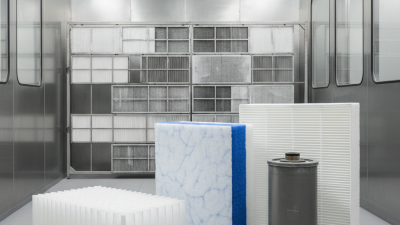
When selecting an exhaust filter roll for paint booths, understanding the types available is essential. There are primarily three categories to consider: pleated filters, pocket filters, and fibrous filters. Pleated filters are popular for their large surface area. This design allows for better airflow and increased capture of particles. Pocket filters, on the other hand, provide more depth, which can trap finer particles. They can be more costly but are often more efficient.
Fibrous filters are versatile and can absorb different contaminants. They are good for wet or dry applications. However, they may need to be replaced more frequently. The choice between these types largely depends on the specific needs of your booth and the types of materials used. It's important to assess the environment where the filters will be installed.
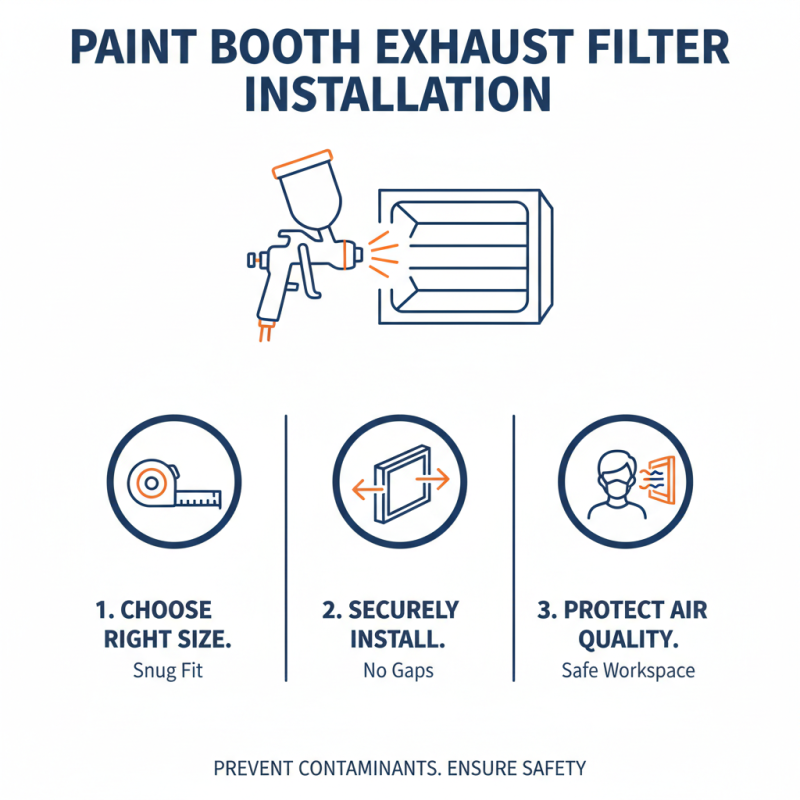
Consider the installation space. Some filters may fit snugly, while others may require modifications. Price can also vary significantly. Higher quality often means higher cost, but it sometimes equates to better performance. It’s crucial to weigh the costs and benefits. Think about how often maintenance is manageable. Neglecting filter changes can lead to airflow issues and inadequate filtration. Balancing efficiency and budget is a common challenge in making the right choice.
Key Features to Consider When Selecting a Filter Roll
Choosing a paint booth exhaust filter roll involves several key features. First, consider the filter efficiency rate. A good filter roll should capture a high percentage of particles. Reports indicate that filters with 99% efficiency reduce airborne contaminants effectively. This leads to cleaner air in the booth, ensuring a safe working environment.
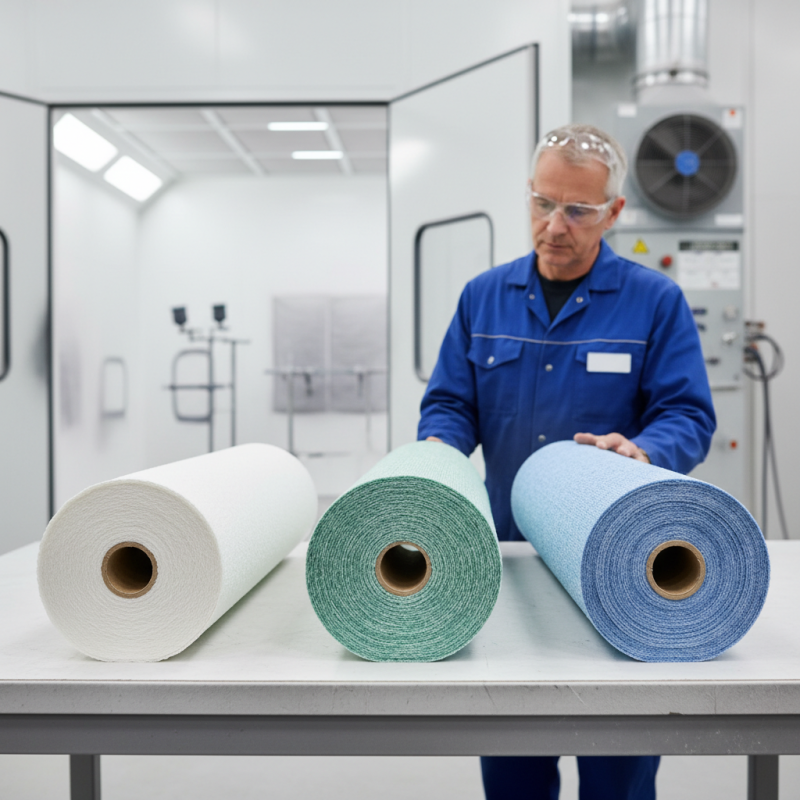
Another important feature is the filter roll's thickness. Thicker rolls tend to have a larger surface area, which allows for more dust and particulate matter to be trapped. However, they may also decrease airflow. Finding a balance is essential for optimal performance. Test results suggest rolls between 2 to 5 inches thick provide a good balance of filtration and airflow.
Tips: Check the manufacturer's specifications for particle size ratings. Look for filters that target the specific paint materials you use. Regular maintenance is crucial. Changing filter rolls on time can prevent airflow issues and maintain quality.
Lastly, consider the material of the filter roll. Different materials offer varied absorption and durability. Some might be optimized for specific chemical compounds. Knowing your booth's unique requirements will guide your selection. Flaws in the filtering system can lead to significant issues down the line. Reflect on your needs before making a choice.
Evaluating Filter Efficiency and Lifespan for Optimal Performance
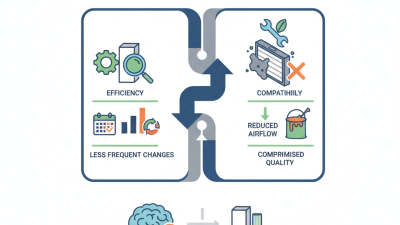
Choosing the right paint booth exhaust filter roll is crucial for efficiency. Filter efficiency affects air quality and performance. A good filter captures dust and paint particles effectively. However, efficiency can vary by design and material. Consider how often you’ll need replacements. A filter with a short lifespan may seem cost-effective but often leads to issues.
Tip: Check the filter’s MERV rating. A higher rating means better particle removal.
Lifespan depends on usage and maintenance practices. Dusty environments may clog filters quickly. Inspect filters regularly to avoid surprises. Dirty filters can hinder airflow. This reduces booth performance. It’s a cycle that can lead to costly repairs.
Tip: Create a replacement schedule based on usage. This can help maintain optimal performance.
Remember, not every filter suits every booth. Experiment to see what works best for your space. Sometimes, it’s worth investing in quality over quantity. A little research goes a long way in preventing mistakes.