Why Choose Hepa Filters for Efficient Air Purification?
Air quality plays a crucial role in our health. The use of HEPA filters has become essential in air purification. Dr. Emily Carter, an environmental scientist, states, “HEPA filters trap 99.97% of particles, making them vital for clean air.” This highlights why many choose HEPA filters for their homes and offices.
HEPA filters effectively capture allergens, dust, and even smoke particles. In environments where air quality is poor, these filters can significantly reduce respiratory issues. A study found that indoor air can be two to five times more polluted than outdoor air. That’s concerning, especially for vulnerable populations like children and the elderly.
Despite their efficiency, HEPA filters are not without challenges. Regular maintenance and replacement are necessary for optimal performance. Some users overlook this important aspect. This can lead to reduced efficiency over time. Therefore, understanding the specific needs and limitations of HEPA filters is key. It's crucial to invest wisely in technology that promises clean air.
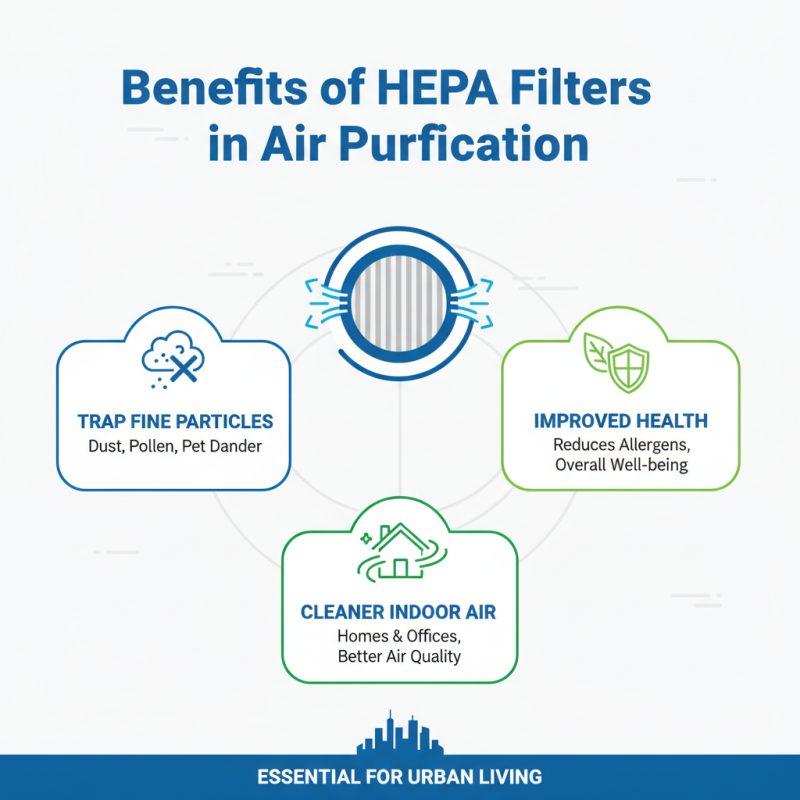
Benefits of HEPA Filters in Air Purification
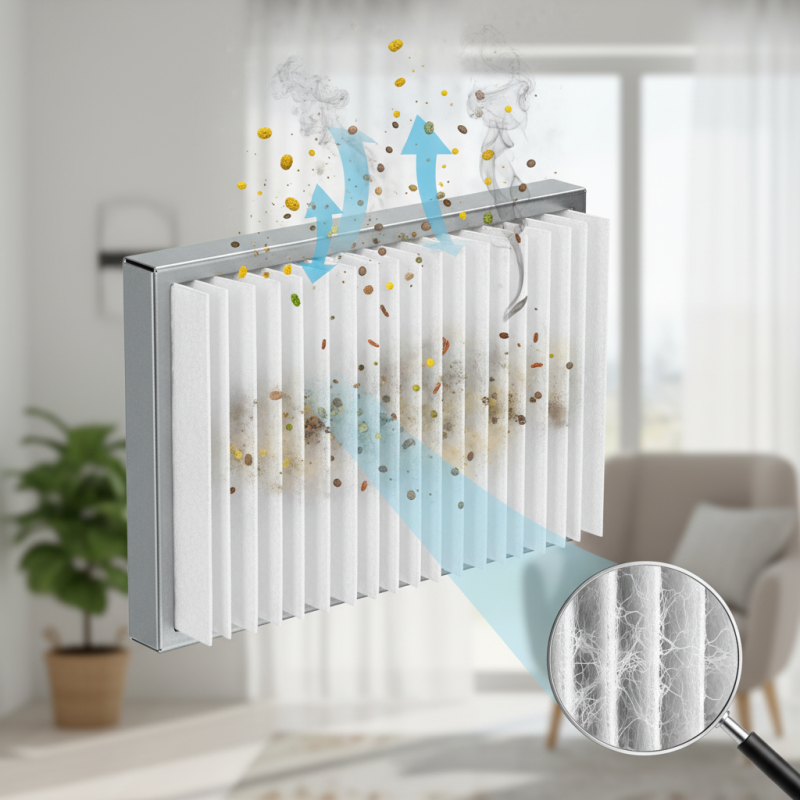
HEPA filters are known for their exceptional ability to trap fine particles. They capture dust, pollen, and pet dander effectively. Rooms in homes and offices become cleaner, leading to better air quality. With urban pollution on the rise, HEPA filters are becoming essential. They help reduce allergens and enhance overall health.
Using HEPA filters can have significant benefits. They remove at least 99.97% of particles that are 0.3 microns in size. This includes smoke, bacteria, and mold spores. Individuals with allergies often notice a difference. Cleaner air can lead to better sleep and improved concentration. However, not all HEPA filters are created equal. Regular maintenance is necessary for optimal performance.
Some consumers may find HEPA filters to be costly. They require periodic replacement, which can add to expenses. Moreover, the installation process might be daunting for some. In these situations, it's essential to weigh the benefits against the challenges. Understanding these aspects can lead to more informed decisions regarding air purification solutions.
How HEPA Filters Work to Remove Airborne Contaminants
HEPA filters, or High Efficiency Particulate Air filters, are pivotal in improving indoor air quality. These filters are designed to capture at least 99.97% of airborne particles that are 0.3 microns in diameter. This includes dust, pollen, smoke, and even certain bacteria. The efficiency of HEPA filters makes them a reliable choice for air purification in various settings, from homes to hospitals.
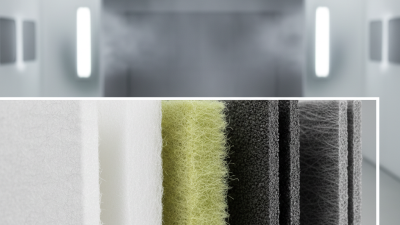
A report from the Environmental Protection Agency (EPA) states that indoor air can be up to five times more polluted than outdoor air. HEPA filters combat this by trapping contaminants effectively. Their mechanism relies on three key processes: interception, impaction, and diffusion. Particles are forced through a dense mat of fibers, becoming trapped and unable to re-enter the air.
Tip: Regularly check your HEPA filter for clogs or damage. A compromised filter can reduce efficiency significantly.
While HEPA filters excel at removing small particulates, they may not capture gases or odors. This limitation prompts consumers to consider additional air purification methods. Advanced technologies can complement HEPA filters, enhancing overall air quality. Balancing these options can lead to a more thorough purification strategy.
Tip: Consider the filter’s lifespan and type when planning replacements. Regular maintenance is essential for optimal performance.
Comparison of HEPA Filters with Other Air Purification Technologies
HEPA filters are crucial in air purification. They capture at least 99.97% of particles that are 0.3 microns in size. This efficiency is backed by studies from industry experts, including the Environmental Protection Agency (EPA). Compared to activated carbon filters, which mainly address odors and gases, HEPA filters excel in removing fine dust, pollen, and pet dander.
When considering UV filters, there is a notable difference. UV technology targets microorganisms but does not filter particles like HEPA does. According to the American Lung Association, integrating HEPA filters in home systems significantly improves indoor air quality. Even high-efficiency activated filters cannot reach the same particle removal efficiency as HEPA.
However, it’s important to note potential limitations. While HEPA filters effectively capture many pollutants, they require regular maintenance. Neglecting to replace them can lead to reduced airflow and lower efficiency. Users may also experience pressure drops in HVAC systems if HEPA filters are not adequately matched to the system's specifications. Balancing filter efficiency with system requirements is key in achieving optimal air quality.
Why Choose Hepa Filters for Efficient Air Purification? - Comparison of HEPA Filters with Other Air Purification Technologies
| Filter Type |
Efficiency (%) |
Particle Size Captured (μm) |
Lifespan (months) |
Cost (USD) |
| HEPA Filter |
99.97% |
0.3 |
12 |
30 - 50 |
| Activated Carbon Filter |
<70% |
Varied |
6 |
20 - 40 |
| UV-C Light Filter |
<90% |
N/A |
12 |
100 - 300 |
| Ionizer Filter |
<50% |
0.1 |
24 |
50 - 150 |
Maintenance and Replacement Guidelines for HEPA Filters
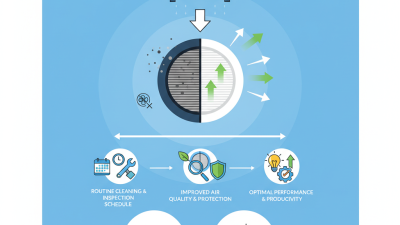
When using HEPA filters, maintenance is crucial for optimal performance. Regular checks help ensure they continue to capture fine particles efficiently. Replacement guidelines vary, but most filters need changing every 6 to 12 months. That frequency can depend on usage and air quality.
Tips: Keep a calendar for filter replacements. Set reminders to check conditions every three months. Cleaning the filter frame can extend the filter's life.
Even well-maintained filters may not perform as expected. Dust or debris can clog them faster than anticipated. Storing filters incorrectly can also impact their efficiency. Consider humidity and temperature when storing spare filters to avoid damage.
Tips: Inspect your filters visually before installation. Look for any signs of wear or damage. A little attention can make a big difference in air quality. Being proactive with maintenance is better than reactive.
Applications of HEPA Filters in Home and Industrial Settings
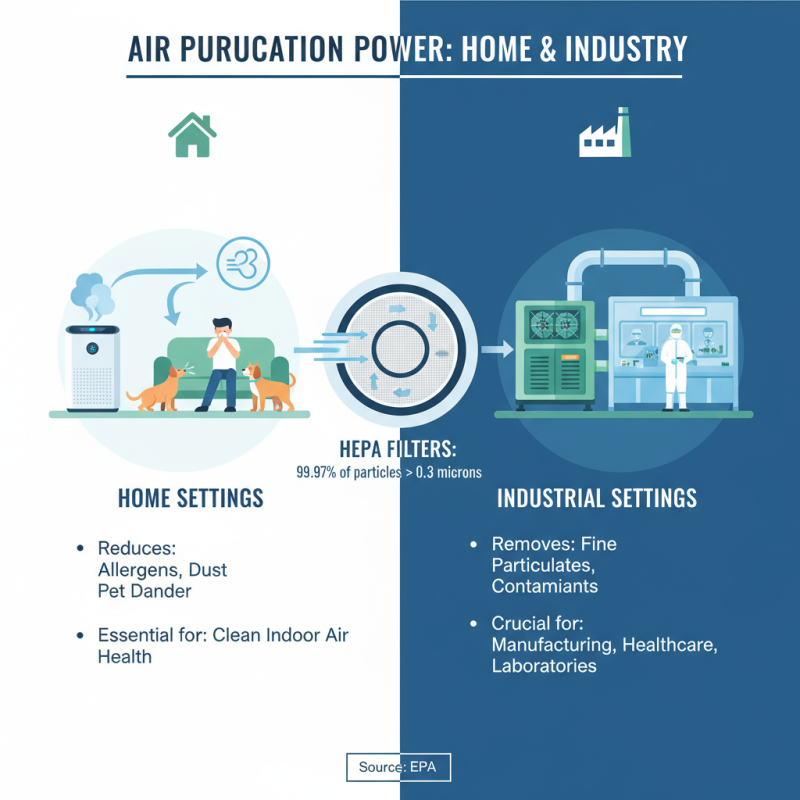
HEPA filters play a crucial role in air purification across various settings. In homes, they can reduce allergens, dust, and pet dander significantly. According to the Environmental Protection Agency (EPA), HEPA filters can trap up to 99.97% of particles that are 0.3 microns or larger. This makes them highly effective in providing cleaner indoor air, which is essential for health.
In industrial settings, HEPA filters are equally vital. They are used in hospitals, pharmaceutical manufacturers, and laboratories. The filtration efficiency ensures that airborne contaminants are minimized, protecting both workers and products. Studies show that facilities using HEPA filters experience fewer airborne infections and improved overall air quality. However, regular maintenance is crucial. A clogged filter can reduce efficiency and increase energy costs.
Tips: Change HEPA filters regularly to maintain effectiveness. Monitor air quality indicators in your space. Always ensure filters fit properly to prevent leaks. Choosing high-efficiency particulate air filters is a decision rooted in science and health considerations, yet implementation requires diligence and attention to detail to achieve optimal results.