How to Choose the Best Hepa Filter for Your Home?
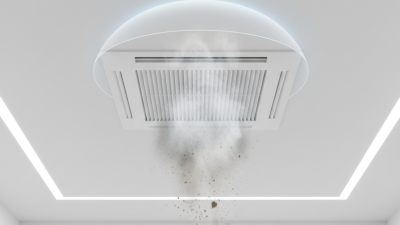
In today's world, air quality is a growing concern for many homeowners. The right Hepa filter can significantly improve the air you breathe. According to the Environmental Protection Agency (EPA), indoor air levels of pollutants can be two to five times higher than outdoor levels. Choosing a Hepa filter can help reduce allergens and harmful particles effectively.
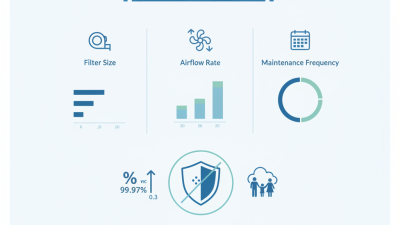
Hepa filters are designed to trap 99.97% of particles that are 0.3 microns in size. This includes dust, pollen, and even smoke. A study by the American Lung Association indicates that using a quality Hepa filter can reduce asthma attacks by up to 40%. Yet, not all Hepa filters are created equal. It is vital to consider factors such as filter size, airflow rate, and filter life.
Despite their benefits, many consumers overlook the importance of maintenance. A dirty filter can hinder airflow and reduce effectiveness. Homes in areas with high dust levels may need more frequent replacements. Reflecting on these points will lead you to make informed decisions for your home environment.
Factors to Consider When Choosing a HEPA Filter for Home Use
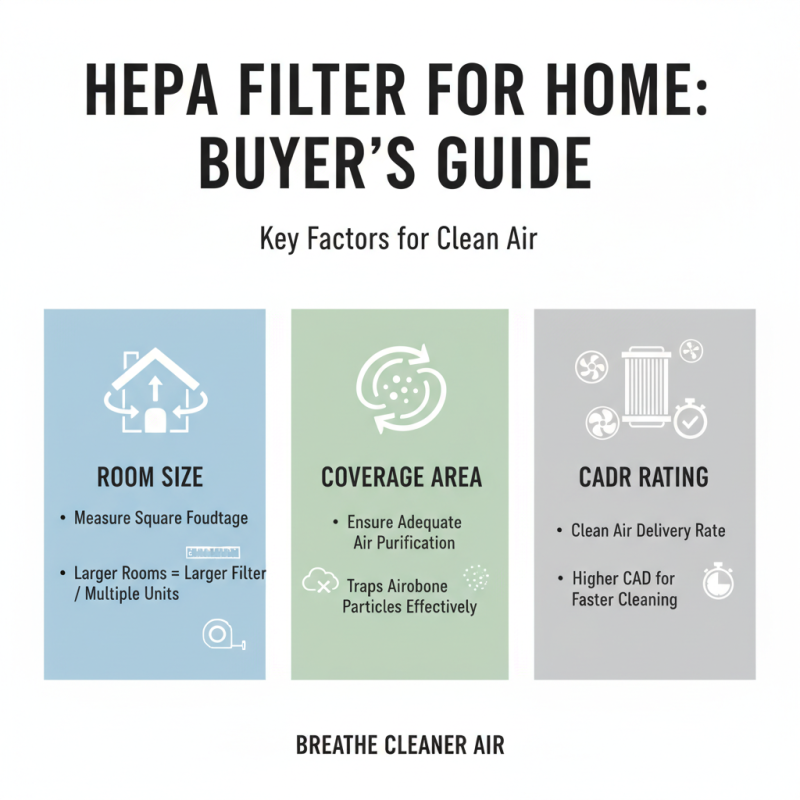
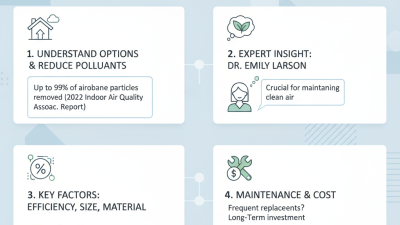
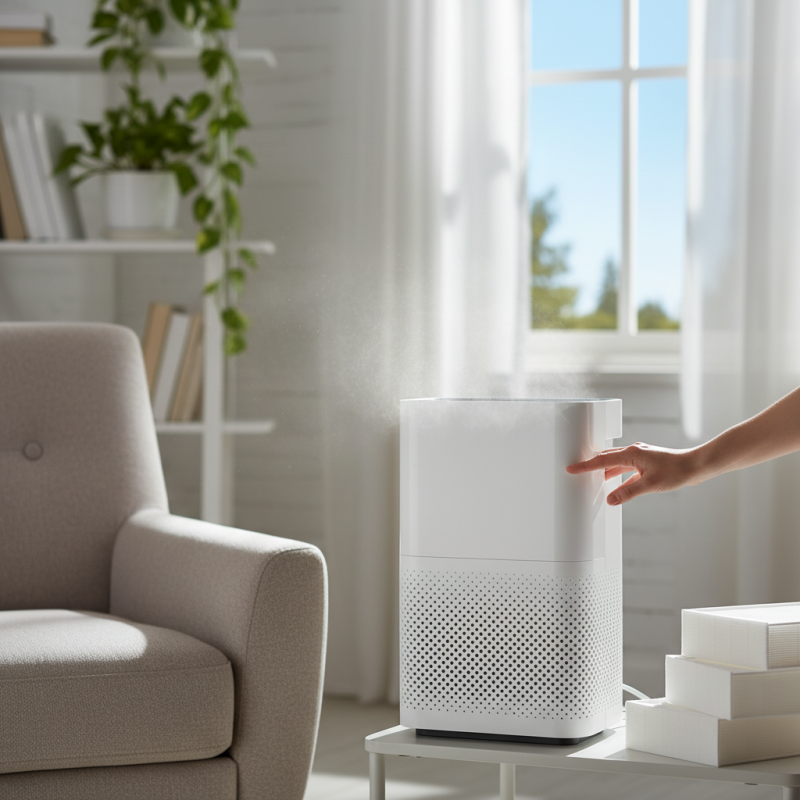
When choosing a HEPA filter for your home, consider various factors. The size of your space matters significantly. Larger rooms might require bigger filters or multiple units. Assess the square footage to ensure adequate coverage. This will help trap airborne particles effectively.
Another important factor is the filter's efficiency rating. Look for filters that meet or exceed HEPA standards. Generally, a true HEPA filter captures 99.97% of particles measuring 0.3 microns. But sometimes, misleading labels can confuse consumers. Understanding these ratings helps in making an informed choice.
Pay attention to the filter's longevity and replacement cost. Some filters last longer than others, depending on usage and the environment. Regularly replacing filters is essential to maintain air quality. Neglecting this can lead to reduced efficiency. Consider these aspects carefully. Your air quality depends on it.
Types of HEPA Filters and Their Effectiveness in Air Purification
Choosing the right HEPA filter is crucial for effective air purification. There are various types of HEPA filters available, each with unique characteristics and effectiveness.
True HEPA filters capture 99.97% of particles as small as 0.3 microns. This includes dust, pollen, and smoke. On the other hand, HEPA-type filters may not meet the same rigorous standards. They typically have lower filtration efficiency, capturing only around 90% of the particles.
It's essential to consider how you'll use the filter. For example, an allergist might recommend true HEPA filters for homes with allergy sufferers. In contrast, a basic HEPA-type filter may suffice for general air quality improvement. Before making a decision, check the filter's specifications carefully.
According to a 2021 Air Quality Study, poor air filtration can lead to increased respiratory issues in children and the elderly.
Tips: Always check the Clean Air Delivery Rate (CADR) when selecting a filter. This rating provides insight into the filter’s efficiency. Additionally, consider changing your filters regularly. Neglected filters can become less effective over time.
An investment in a high-quality filter can dramatically improve indoor air quality and overall health. Remember, not all filters are created equal. Choose wisely!
Understanding the Specifications of HEPA Filters
Choosing the right HEPA filter for your home requires an understanding of its specifications. HEPA, or High-Efficiency Particulate Air, filters must capture at least 99.97% of particles that are 0.3 microns in diameter. This includes common allergens, dust, and even some bacteria. According to a report by the Environmental Protection Agency (EPA), good air quality can significantly impact health, making the choice of filter crucial.
When evaluating HEPA filters, consider factors like airflow rate, filter life, and particle size efficiency. Higher airflow often means better performance in cleaning the air. However, filters that trap more particles may also hinder airflow, creating a balance challenge. Some studies suggest filters should have a Minimum Efficiency Reporting Value (MERV) rating of at least 13 for optimal performance, while lower-rated filters might not capture smaller particles effectively.
Moreover, placement and replacement frequency can influence effectiveness. Dust buildup can reduce efficiency over time, making regular checks necessary. Even with a quality filter, the space it’s placed in and how it’s maintained matter. Users sometimes overlook these elements, leading to unfulfilled expectations. It's a complex equation where every detail plays a vital role.
HEPA Filter Efficiency Comparison
This bar chart compares the particle capture efficiency of various HEPA filters. The performance is measured in percentage of particles captured, showcasing the best options to consider when choosing a HEPA filter for your home.
How to Maintain and Replace HEPA Filters for Optimal Performance
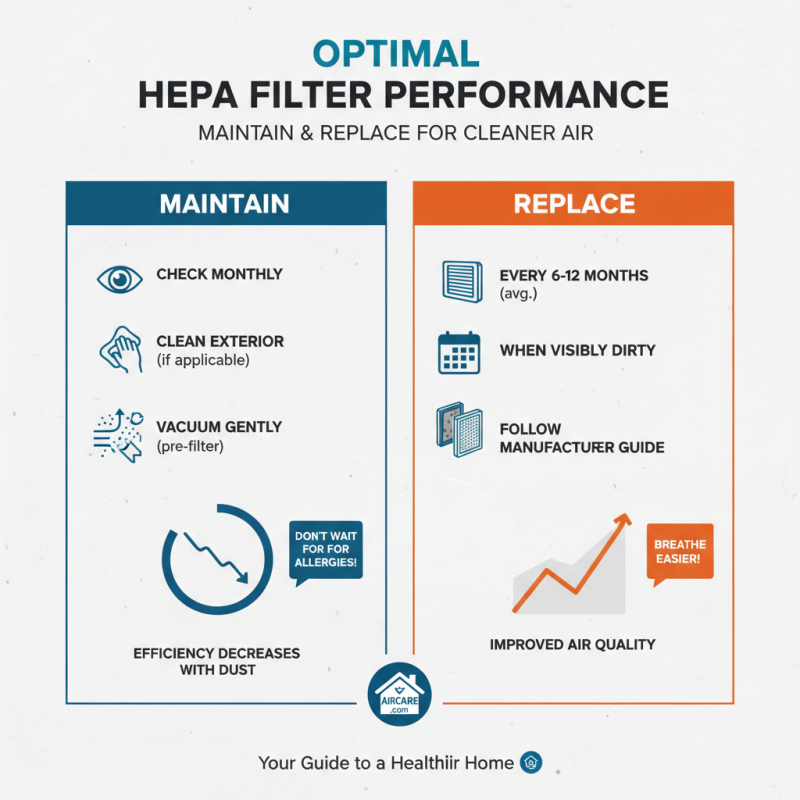
HEPA filters play a crucial role in maintaining indoor air quality. However, simply having a HEPA filter is not enough. Regular maintenance is essential for optimal performance. Dust and allergens can accumulate, hindering the filter's efficiency. This means you need to check your filter often. Some people forget about it until allergies flare up. Don't be one of them.
Replace your HEPA filter as recommended, typically every six months to a year. But this can vary based on your home's environment. If you have pets or live in dusty areas, consider replacing it sooner. A clogged filter is ineffective. Pay attention to its appearance. If it looks dirty, it’s time for a change.
Cleaning the surrounding area can also help. Vacuum around the filter to prevent additional dust from being sucked in. Think about your habits too. Are you using the vacuum cleaner or dusting regularly? If not, you might be making the situation worse. Taking these small steps helps maintain your air quality. Regular checks and replacements can make a big difference.
Comparing Prices and Brands of HEPA Filters for Budget-Friendly Options
Choosing the right HEPA filter can be overwhelming. Prices vary widely, and several brands are available. Understanding what you need and what fits your budget is key. It’s important to compare features, efficiency, and longevity. Some filters may seem cheaper initially but need replacing sooner, resulting in higher costs over time.
When searching for budget-friendly options, look for sales or bulk discounts. Many sellers offer deals on multiple filters. Always check the specifications, as not all filters labeled HEPA meet the same standards. Research customer reviews too; they can provide insights into durability and performance.
Tips: Consider your specific air quality needs. If allergies are a concern, invest in a higher-quality filter. Remember, the best choice may not be the cheapest. Also, verify the compatibility with your existing system before purchasing. Reflect on your choices, as overlooking details can lead to frustration later.