How to Choose the Right Paint Booth Filter Wall for Your Needs?
Choosing the right Paint Booth Filter Wall is crucial for achieving optimal paint application results. A proper filter wall not only improves air quality but also enhances the efficiency of your painting operations. When selecting a filter wall, several factors come into play.
Consider the size and type of your paint booth. Different applications require different filter types. Additionally, the level of filtration you need affects your choice. Some filters capture larger particles, while others target finer particulates. This distinction is important for maintaining a clean and safe environment.
Reflecting on past experiences can guide your decision. Many users overlook the impact of filter maintenance. Neglecting this task can lead to decreased performance. The right Paint Booth Filter Wall will not only match your technical needs but also ensure longevity and efficiency.
Understanding the Purpose of Paint Booth Filters
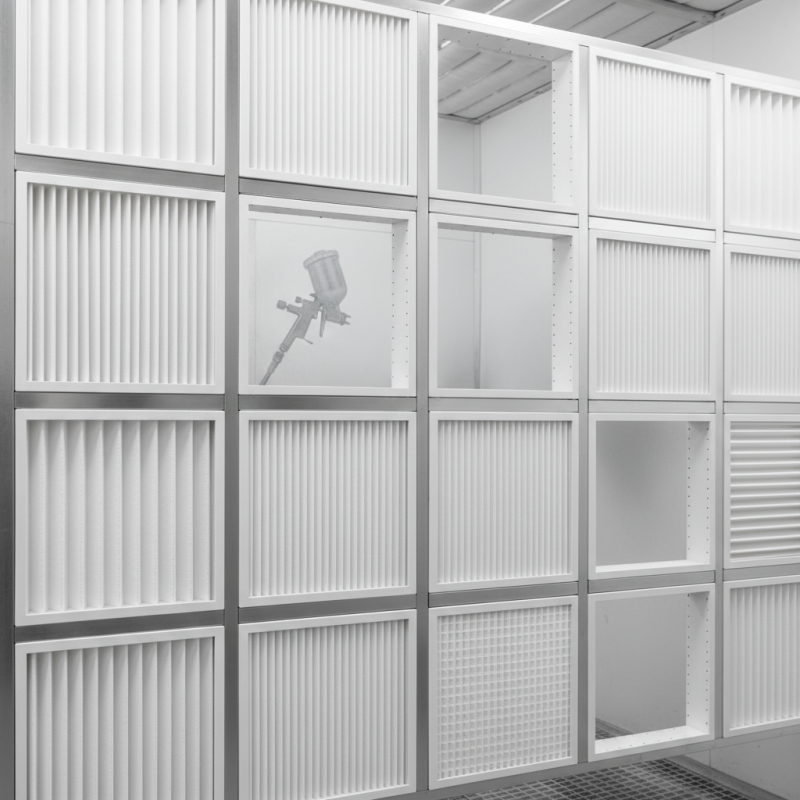
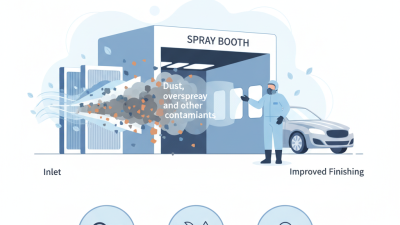
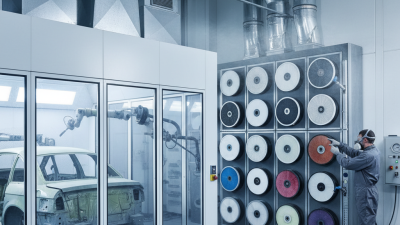
Paint booth filters play a crucial role in maintaining air quality and protecting both products and workers. They trap airborne particles, overspray, and fumes generated during the painting process. Without effective filters, harmful contaminants can accumulate, risking health and compromising the finish. Choosing the right filter ensures that your workspace remains safe and your projects achieve the best results.
Different types of paint booth filters exist, each serving a specific purpose. Some filters are designed to capture larger particles, while others target finer contaminants. Understanding the unique requirements of your environment is essential. You might face challenges when selecting the correct filter wall. A mismatch can lead to several issues, including increased costs and compromised air quality. Regular maintenance is also required to ensure filters remain effective over time. Skipping this step can result in reduced airflow and greater risk to health.
Identifying Different Types of Paint Booth Filters
When it comes to paint booth filters, various types exist to meet specific requirements.
HEPA filters are ideal for environments needing high filtration efficiency. They capture tiny particles, making them suitable for automotive and industrial settings. However, they might be more costly and require frequent maintenance. You need to weigh these factors before making a decision.
Activated carbon filters offer another option. They work well in removing odors and volatile organic compounds (VOCs) from the air. This type is useful for paint booths where chemical emissions are a concern. Still, they may not be as effective in capturing larger particles. It's essential to evaluate your specific needs carefully.
Pre-filters are also available and often used to extend the life of primary filters. They catch larger debris, preventing clogging and improving airflow. However, neglecting their regular cleaning can lead to reduced effectiveness. Assess your workflow to decide if this is a necessary addition. Each filter type has its strengths and weaknesses, so a thorough assessment is crucial.
Evaluating Filter Efficiency and Performance Ratings
When selecting the right paint booth filter wall, evaluating filter efficiency is crucial. High-efficiency filters can significantly reduce airborne contaminants. Look for filters with a MERV rating, as they capture small particles effectively. However, a higher rating may also lead to increased resistance to airflow. This can reduce the performance of your booth. Balancing filtration needs with airflow is essential.
Consider the material and design of the filter. Some filters are pleated, while others are flat. Pleated filters generally offer more surface area, leading to better performance. But they may also clog faster. You should assess how frequently you are willing to replace the filters. Filters that get dirty quickly may require more maintenance. This can lead to unexpected costs over time.
Performance ratings indicate how well a filter can capture specific particles. Understanding these ratings will help you choose wisely. However, not all manufacturers provide clear information. This can make it difficult to compare options. It is essential to do thorough research to find the right mix for your booth. Gathering user reviews can also shed light on what works best in real-life applications.
Assessing Your Specific Paint Booth Requirements
When choosing the right paint booth filter wall, it's essential to assess your specific needs. Consider the type of paint you use. Different paints may require different filtration levels. For example, solvent-based paints often emit more volatile organic compounds. This influences the type of filters you'll need.
Next, think about the size of your booth. A larger booth may need more robust filtration systems. The airflow and pressure requirements are crucial too. Failure to calculate these properly can lead to inefficient filtration. Remember, having the wrong setup can result in poor air quality and ultimately, affect your work.
Lastly, don't overlook maintenance. Some filters need frequent replacement. Understand the costs associated with this. Reflect on your workflow. Will you be able to manage regular maintenance? Not considering this can lead to costly downtime in production. Balancing effectiveness and efficiency is key in making the right choice.
Maintaining and Replacing Your Paint Booth Filters
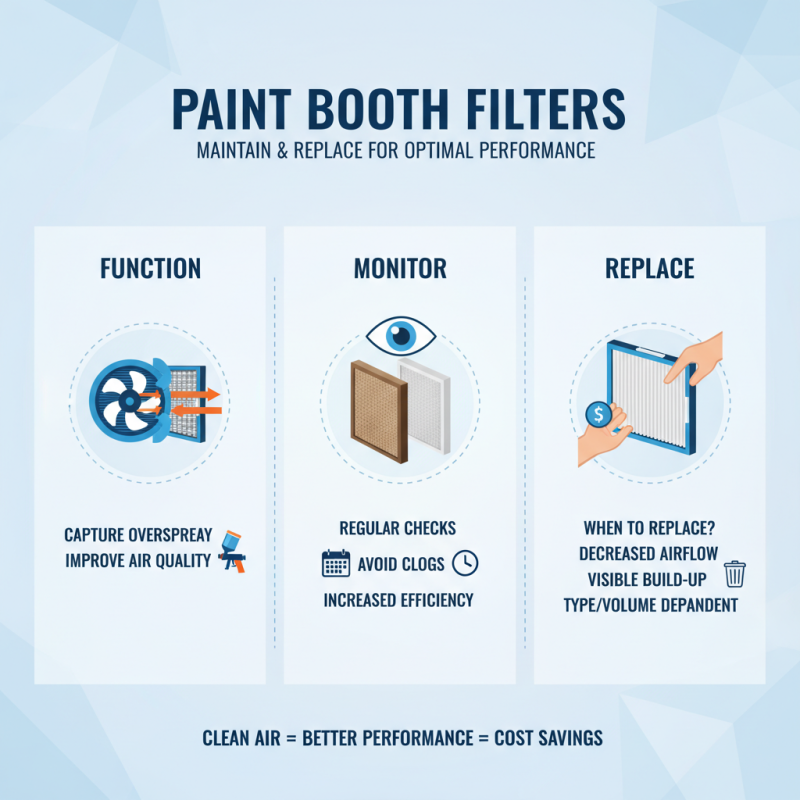
Maintaining and replacing paint booth filters is crucial for optimal performance. Clean filters ensure that paint overspray is captured effectively, improving air quality in the workspace. Depending on the type and volume of work, filters can become clogged quickly. Monitor filter conditions regularly to avoid decreased efficiency and increased costs.
Inspect your filters once a week. Look for signs of dirt and paint accumulation. Sometimes, it's tempting to push the limits on filter usage. However, this can lead to more significant issues down the line. A dirty filter can cause unnecessary strain on the booth's air circulation system. Replacement can be straightforward, yet not everyone gets it right the first time.
Consider the size and type of filter needed for your specific booth. Compatibility is key. If the wrong size is used, it can lead to gaps and inefficiency. Many fail to measure correctly, leading to leaks. Taking the time to ensure that filters fit properly will save time and money in the long run. Regular maintenance and proper replacements are not just tasks; they are essential parts of responsible operation.