How to Choose the Right Spray Booth Floor Filter for Your Needs?
Choosing the right Spray Booth Floor Filter can be a daunting task. Experts like John Smith, a leading figure in the spray booth industry, emphasize this point. He once stated, "Selecting the right filter is essential for maintaining air quality and paint finish."
A good Spray Booth Floor Filter can significantly impact operations. The right filter captures over spray and reduces contaminants in the air. It helps maintain a clean workspace and improves the longevity of your equipment. However, not all filters are created equal.
Some filters handle specific materials better than others. It's vital to evaluate your needs carefully. Are you using waterborne or solvent-based products? Each type has unique requirements. Inevitably, some buyers may overlook these details. Taking time for research can save money and hassle in the long run.
Understanding the Importance of Spray Booth Floor Filters
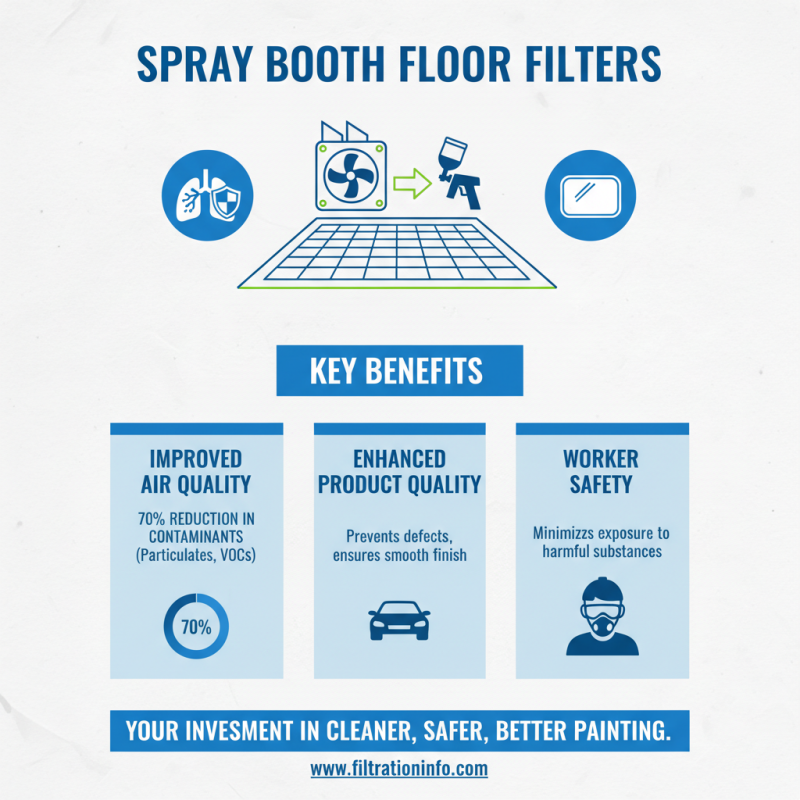
Spray booth floor filters play a crucial role in maintaining air quality and safety in spray painting environments. Reports indicate that nearly 70% of harmful contaminants can be minimized with the right filtration system. The efficiency of these filters directly impacts not only worker health but also the quality of the finished product. Particulate matter, paint overspray, and volatile organic compounds (VOCs) present risks that can no longer be ignored.
Proper filtration reduces airborne particles and VOCs. The CDC states that exposure to high levels of VOCs can lead to serious health issues. Moreover, a study revealed that poor air quality can cause up to a 25% decline in worker productivity. The choice of filters affects both the environment and those who work within it. It's essential to regularly assess filter performance; some options become less effective over time.
Selecting the right filter is not always straightforward. Many operators overlook critical factors such as filter material or thickness. A mismatch can lead to challenges like increased maintenance costs and compromised safety. Understanding these elements is vital for making an informed choice that supports both employee welfare and operational efficiency.
Types of Spray Booth Floor Filters Available in the Market
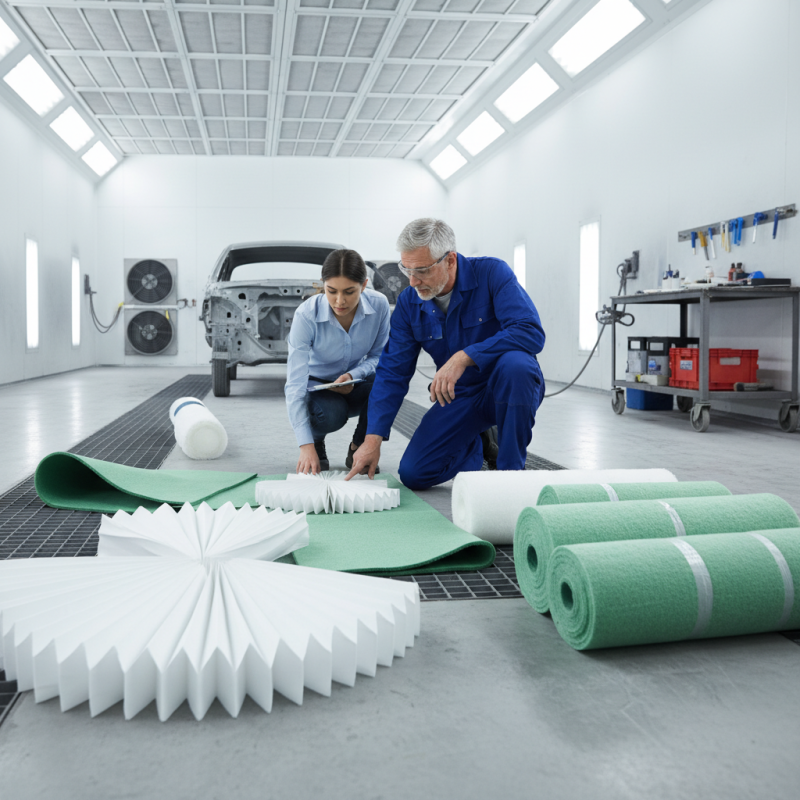
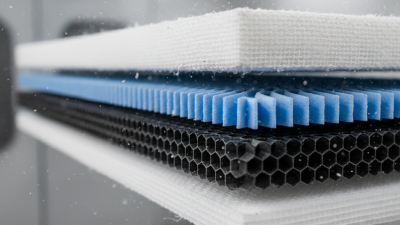
When choosing a spray booth floor filter, it's essential to consider the options available in the market. Several types cater to different needs. For instance, synthetic filters are popular for their durability and efficiency. They can trap dust and particles effectively, ensuring a cleaner environment. Another option is fiberglass filters, which offer good performance but may need frequent replacements. Some users find them less effective over time.
There are also activated carbon filters. They are great at absorbing odors and harmful chemicals. This makes them suitable for environments with solvent-based products. However, they can be costly and may not filter out larger particles well. Foam filters are lightweight and easy to install. They provide basic filtration but may lack the efficiency of other types. Each filter has its pros and cons, which can lead to some confusion. It's important to evaluate what works best for your specific setup. You might need to experiment to find the right fit.
Spray Booth Floor Filter Types and Their Efficiency
Evaluating Filter Performance and Specifications
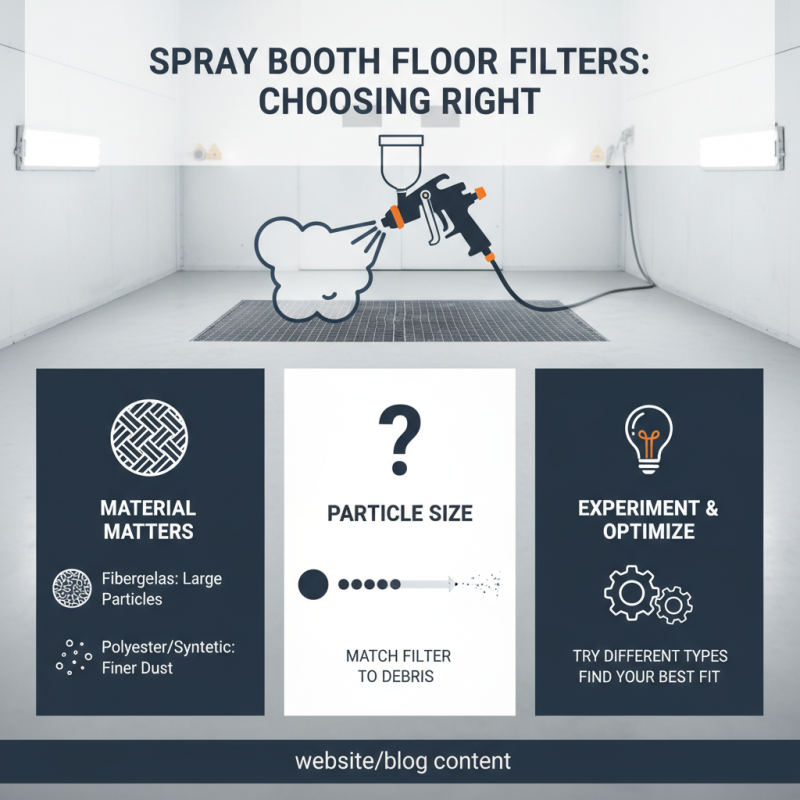
When selecting a spray booth floor filter, evaluating filter performance is crucial. Filters come in various types. Some are made for heavy particles, while others excel at capturing fine dust. Consider the particle size that your booth typically encounters. A filter designed for larger debris may not effectively trap finer particles, leading to ineffective filtration.
Check filter specifications, too. Look for airflow rates and capacity. A filter that allows ample airflow prevents disruptions in your spray process. However, too much airflow may compromise the filter’s effectiveness. Remember, filters should be replaced regularly. Worn-out filters can cause buildup and hinder performance.
Reflect on the environment of your spray booth. Humidity and temperature can impact filter performance. In damp conditions, some filters may degrade faster. Think about your maintenance routine as well. An overlooked filter can lead to costly issues down the line. Choosing the right filter involves thoughtful consideration of these aspects. It's not just about picking a filter but understanding the balance between performance and your specific needs.
How to Choose the Right Spray Booth Floor Filter for Your Needs?
| Filter Type |
Efficiency Rating |
Maximum Airflow (CFM) |
Filter Life (Months) |
Material |
| Polyester |
MERV 8 |
500 |
6 Months |
Synthetic |
| Activated Carbon |
MERV 11 |
400 |
3 Months |
Carbon Composite |
| HEPA |
MERV 16 |
300 |
12 Months |
Fiberglass |
| Fiberglass |
MERV 5 |
600 |
1 Month |
Fiberglass |
| Pleated Paper |
MERV 10 |
450 |
9 Months |
Paper and Synthetic |
Maintenance Tips for Prolonging Filter Lifespan
Maintaining spray booth floor filters is crucial for ensuring optimal performance. Regular checks and cleaning can prevent larger issues. The filter’s lifespan directly affects air quality. When filters become clogged, they can't capture particles effectively. This results in increased contamination levels in your workspace.
Consider setting a schedule for inspections. Weekly checks may seem rigorous, but they can save time and money in the long run. Replace filters based on usage and environmental conditions. Sometimes, you might forget to change them on time. This oversight can lead to costly downtimes. Also, keep an eye on the condition of the filter media. Signs of wear or damage should not be ignored.
Proper storage is another essential aspect. Filters should be kept in a dry, clean environment. Humidity can degrade filter materials, reducing their effectiveness. However, balancing storage conditions can be tricky. Too much moisture and not enough airflow can lead to mold growth. It’s all about finding that perfect balance for your specific needs.