How to Choose the Right Ceiling Filter for Your Home or Office?
Choosing the right ceiling filter is crucial for maintaining indoor air quality. According to the Environmental Protection Agency, indoor air can be up to five times more polluted than outdoor air. This highlights the importance of investing in a proper ceiling filter.
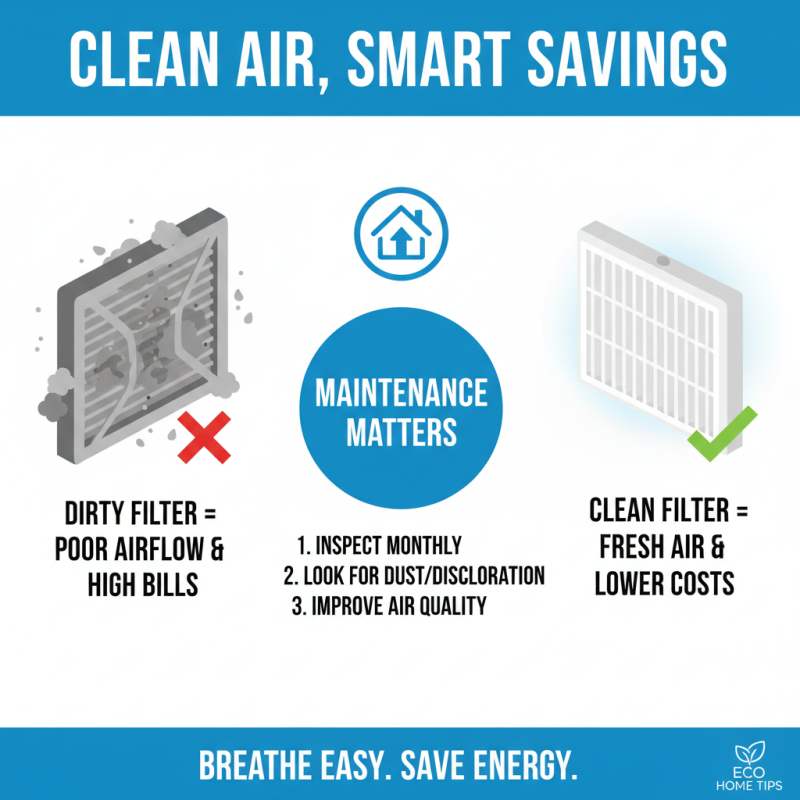
Many factors influence the effectiveness of a ceiling filter. For instance, filter type, MERV rating, and size can significantly impact air purification. A 2022 study by the American Society of Heating, Refrigerating and Air-Conditioning Engineers (ASHRAE) suggested that using a high-efficiency ceiling filter can remove up to 99% of airborne particles. Yet, many users overlook the need for regular maintenance. This oversight can lead to reduced performance and may cause more harm than good.
Selecting the right ceiling filter requires thoughtful consideration. Home and office environments differ in air quality needs. A filter that works for one space may not suffice for another. It's essential to assess personal requirements carefully. Balancing cost and quality can be daunting. Quality should never be compromised for savings. In the end, the right ceiling filter not only enhances comfort but also supports a healthier living environment.
Identify Your Needs: Assessing Air Quality and Filtration Requirements
Choosing the right ceiling filter begins by assessing your air quality needs. Factors like dust, allergens, and smoke vary from space to space. In homes with pets, for instance, dander might be a primary concern. Offices, meanwhile, often deal with dust from office equipment. Evaluating your specific situation can help narrow down your options.
Consider measuring air quality with a simple monitor. This data uncovers pollution levels and helps in decision-making. The size of your space also matters. If it’s vast, a single filter might not suffice. Space dimensions can influence the particulate retention effectiveness. After all, know that one filter size does not fit all scenarios.
Reflecting on your choices can help identify gaps in your air quality management. Sometimes, filters can mask deeper problems, like poor ventilation. Relying solely on filters may lead to complacency. Regular maintenance and awareness are just as crucial. A well-rounded approach keeps air fresh and healthy.
How to Choose the Right Ceiling Filter for Your Home or Office? - Identify Your Needs: Assessing Air Quality and Filtration Requirements
| Filter Type |
Particle Size (µm) |
Effective Against |
Filter Lifespan (Months) |
Recommended Use |
| HEPA Filter |
0.3 |
Dust, Pollen, Pet Dander |
12 |
Home, Office |
| Activated Carbon Filter |
N/A |
Odors, VOCs |
6 |
Home, Kitchen |
| Pre-Filter |
5 |
Large Particles |
3 |
HVAC Systems |
| MERV 13 Filter |
0.3 - 10 |
Bacteria, Smoke, Mold Spores |
6-12 |
Office, Commercial Spaces |
Understanding Different Types of Ceiling Filters and Their Functions
Choosing the right ceiling filter for your home or office can significantly impact air quality. There are several types of ceiling filters, each designed for specific needs. The most common are HEPA filters, electrostatic filters, and activated carbon filters.
HEPA filters capture fine particles, which can be great for allergy sufferers. They are effective but can be costly and require regular maintenance.
Electrostatic filters use static electricity to attract particles. They are reusable and can save money over time. However, they may not trap all sizes of particles effectively, making them less reliable in certain environments. Activated carbon filters, on the other hand, are excellent at removing odors and volatile organic compounds. They are often used in conjunction with other types of filters to enhance overall air quality.
When choosing a filter, consider your specific needs. If you have pets or smoke indoors, a combination of filters might be necessary. Pay attention to the filter's efficiency ratings and maintenance requirements. Sometimes, options might seem overwhelming, and you may doubt your decision. Reflect on what matters most: comfort, health, or budget constraints. Making the right choice can require adjustment and follow-up.
Evaluating Filter Efficiency: MERV Ratings and Airflow Considerations
When selecting a ceiling filter, MERV ratings play a crucial role in evaluating filter efficiency. The Minimum Efficiency Reporting Value (MERV) quantifies a filter's ability to capture airborne particles. Filters with a MERV rating between 1 and 4 are basic. They mostly trap larger dust particles. However, filters rated 13 to 16 are more effective. They can capture pollen, pet dander, and even smoke. A study by the American Society of Heating, Refrigerating and Air-Conditioning Engineers (ASHRAE) indicates that higher MERV ratings improve indoor air quality significantly.
Airflow considerations are equally important. Filters that are too dense may restrict airflow. This can strain your HVAC system. A report from the Environmental Protection Agency (EPA) highlights that improper airflow can lead to increased energy consumption. Ideally, aim for a filter that balances MERV rating and airflow. For example, a filter with a MERV of 8 can still provide adequate filtration without overly restricting airflow. Striking this balance is often overlooked but crucial for overall efficiency and comfort.
Air Filter Efficiency Comparison
This chart compares the particle capture efficiency of air filters with different MERV ratings. Higher MERV ratings indicate a higher ability to capture smaller particles, which is important for indoor air quality.
Choosing the Right Size and Fit for Your Ceiling Filter Installation
When choosing a ceiling filter, size and fit are critical. Measure your ceiling space carefully. This ensures the filter won’t be too small or too large. A mismatched filter can cause air quality issues. For a perfect fit, consider both dimensions and the mounting mechanism.
Installation can be tricky. A filter that’s too tight may be hard to replace. Conversely, a loose filter won’t seal properly. This can lead to dust and allergens entering your living or working space. Check the clearance above the installation area. Do you have enough room?
Home or office, the right fit matters. If you’re unsure about dimensions, consult a professional. It's better to ask for help than to struggle alone. Sizing mistakes can be frustrating. Reflect on your choices. Taking your time to measure can save hassles later on.