2026 How to Choose the Right Ceiling Filter for Your Home
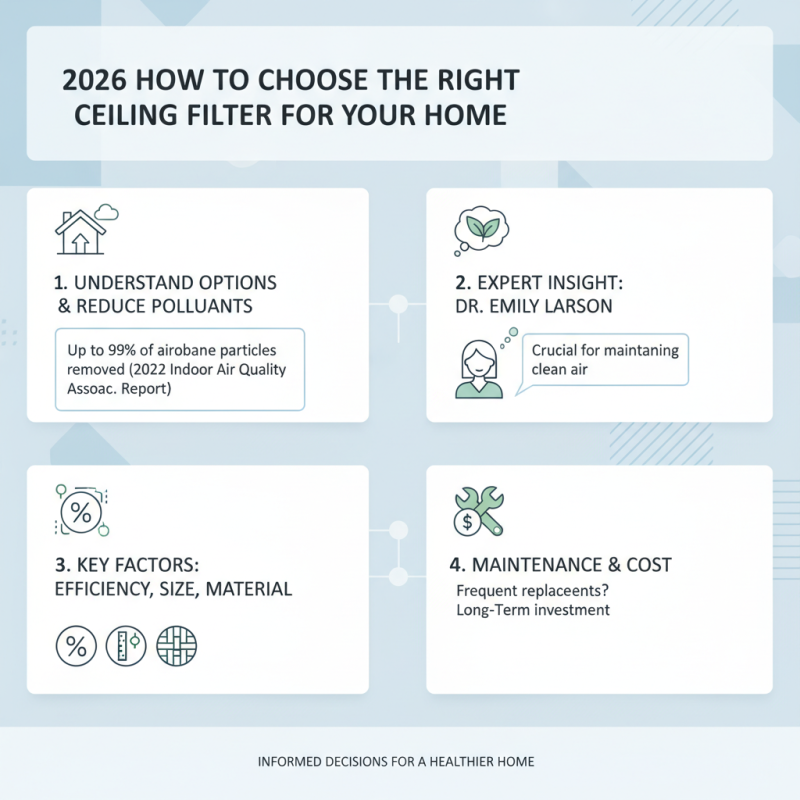
When it comes to selecting a Ceiling Filter for your home, understanding the options available is crucial. In recent studies, it’s reported that homes with effective air filtration can see a significant reduction in indoor pollutants, which enhances overall health. According to a 2022 report by the Indoor Air Quality Association, quality filters can remove up to 99% of airborne particles.
Dr. Emily Larson, an expert in air quality and filtration, states, "Choosing the right Ceiling Filter is vital for maintaining clean air in our living spaces." This underscores the importance of making informed decisions about ceiling filters. With various types on the market, discerning which filter fits your specific needs can be challenging.
Consider factors such as filter efficiency, size, and material. Additionally, some filters may require frequent replacements or maintenance, adding to long-term costs. Reflecting on these aspects helps ensure you select a Ceiling Filter that truly meets your requirements.
Understanding the Purpose of Ceiling Filters in Home Air Quality
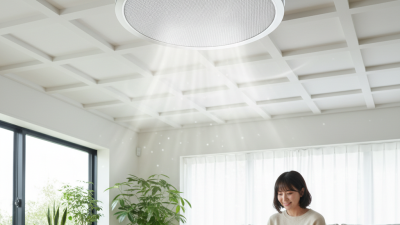
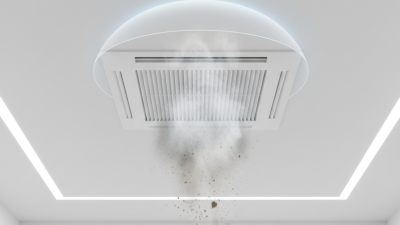
Ceiling filters play a crucial role in maintaining indoor air quality. They help trap dust, allergens, and other particles. This filtering process keeps your home environment clean and safe for everyone. When choosing a ceiling filter, consider the specific contaminants in your area. Pollutants may include pet dander, pollen, and smoke.
Tips: Always check the MERV rating. A higher rating means better filtration. However, more efficient filters can restrict airflow. This can cause strain on your HVAC system. It's essential to balance filtration needs with your system's capacity.
Not all filters are created equal. Some may not be as effective as advertised. This can lead to disappointment. Researching options is vital before making a choice. Look for filters that match your home’s specific needs. Regular maintenance is also key. Replace filters as recommended for optimal performance. Ignoring this can lead to dusty rooms and respiratory issues over time.
Types of Ceiling Filters: A Comprehensive Overview
Ceiling filters play a vital role in maintaining indoor air quality. They help reduce airborne particles and allergens. Understanding the types of ceiling filters can significantly enhance your home environment. According to recent studies, nearly 50% of homeowners experience respiratory issues due to poor air quality.
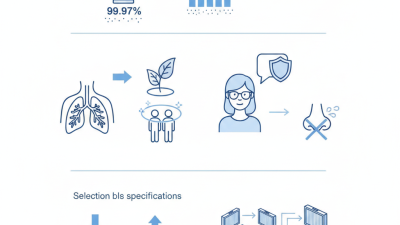
There are three primary types of ceiling filters: HEPA, electrostatic, and activated carbon. HEPA filters can capture up to 99.97% of particles as small as 0.3 microns. They are often recommended for allergy sufferers. However, these filters can be expensive and may require frequent replacements. Electrostatic filters offer a more sustainable option. They use static electricity to attract dust and pollen. While they are washable and reusable, their efficiency can decrease over time.
Activated carbon filters excel at reducing odors and fumes. They can remove volatile organic compounds (VOCs) effectively. However, they may not be as effective against larger particles. Selecting the right filter involves considering personal needs. Some filters may not capture specific irritants. Homeowners should regularly assess filter performance. Proper maintenance and awareness are essential for optimal air quality.
2026 How to Choose the Right Ceiling Filter for Your Home
| Filter Type |
Material |
Efficiency Rating |
Lifespan |
Ideal For |
| HEPA Filter |
Fiberglass |
99.97% at 0.3 microns |
2-3 years |
Allergen Reduction |
| Activated Carbon Filter |
Activated Charcoal |
N/A |
6-12 months |
Odor Control |
| Electrostatic Filter |
Synthetic Materials |
Up to 95% |
3-5 years |
General Air Filtration |
| Washable Filter |
Aluminum or Polypropylene |
N/A |
Indefinite (when maintained) |
Cost-effective Solution |
| Fibre Glass Filter |
Fiberglass |
30-50% |
1-3 months |
Basic Air Filtration |
Key Factors to Consider When Choosing a Ceiling Filter
When choosing a ceiling filter for your home, several key factors come into play. First, consider the size of the filter. It must fit your ceiling space perfectly. Measure the area before shopping. A filter too big can be cumbersome. One too small may not capture dust effectively. Size matters more than you think.
Next, think about the filter material. Options range from synthetic fibers to natural materials. Each has its pros and cons. Synthetic filters often trap particles better but may not be biodegradable. Natural filters could be eco-friendlier but might require more frequent changes. Reflect on your priorities and how they align with your lifestyle.
Don't overlook the noise level of the filter when in operation. Some filters can be quite loud. This could affect your comfort at home. Pay attention to the specifications provided. Lastly, ensure ease of installation and maintenance. A complicated setup can be frustrating. Regular cleaning and replacement are critical for efficiency. Balancing these factors will help you find the right filter for your needs.
How to Measure Your Space for the Right Filter Size
When choosing a ceiling filter, measuring your space accurately is essential. Many homes feature different ceiling heights and layouts. According to industry research, 30% of homeowners install the wrong size filter, leading to inefficiencies. A filter that doesn't fit properly can cause airflow issues. Once the airflow is restricted, energy bills could rise unexpectedly.
To measure your space, start by using a tape measure. Measure the length and width of the area where the filter will be installed. Take note of any obstructions, such as beams or ducts. This helps in selecting the correct filter size. Industry experts recommend allowing an additional inch for tolerances. Inadequate measurement often results in gaps, which can reduce air quality.
Keep in mind that not all filters are created equal. Some may look similar but have different specifications. Pay attention to the thickness and type of media used. Additionally, be aware of your home’s air quality requirements. It might be tempting to skip this step, but taking precise measurements can save time and money. Take your time. If you're unsure, consult a professional for assistance.
Installation and Maintenance Tips for Home Ceiling Filters
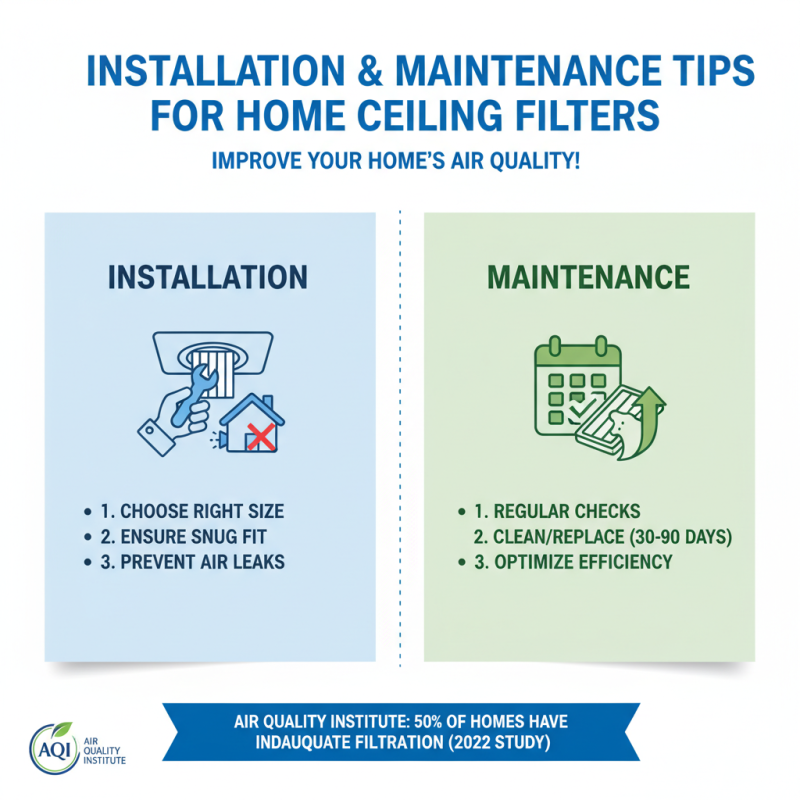
When choosing a ceiling filter for your home, understanding installation and maintenance is crucial. A 2022 study by the Air Quality Institute found that 50% of homes have inadequate air filtration. Proper installation ensures efficiency and longevity. Make sure the filter fits snugly in the ceiling fixture. Gaps can lead to air leakage, reducing effectiveness.
Regular maintenance is essential. Experts recommend checking filters every three months. If you have pets or allergies, monthly checks might be necessary. Neglecting maintenance can lead to decreased air quality. A dirty filter can trap dust and allergens, impact air flow, and raise energy costs. Aim for clear ducts and clean filters to enhance indoor air quality.
Choosing the right filter is not just about type. It's about where and how you use it. Sometimes, homeowners overlook the installation process. This can lead to frustrations later, especially if the filter doesn’t perform as expected. Install with care, and don’t skip on routine checks. Your home deserves clean air.