Essential Tips for Choosing Spray Booth Ceiling Filters?
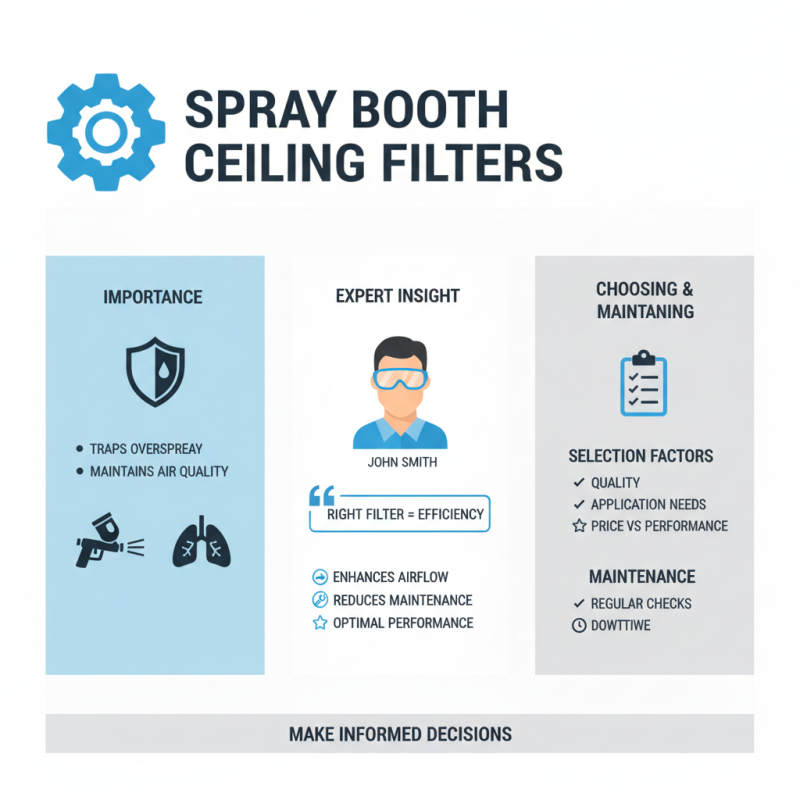
When choosing a Spray Booth Ceiling Filter, several factors come into play. Expert John Smith, a leading authority in spray paint technology, once stated, “The right filter can make or break your spray booth’s efficiency.” His insight highlights the significance of filter selection in maintaining a productive workspace.
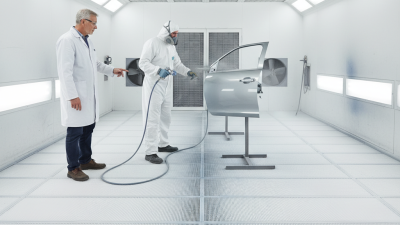
Spray Booth Ceiling Filters are vital for trapping overspray and maintaining air quality. A well-chosen filter enhances airflow and reduces maintenance costs. However, not every filter meets the demands of every spray booth. It's crucial to consider both quality and application needs.
Many overlook the importance of filter maintenance. Regular checks can prevent inefficiencies and costly downtimes. Choosing the right Spray Booth Ceiling Filter isn’t just about price; it’s about ensuring optimal performance. Reflect on your specific needs, and don’t rush this key decision.
Understanding the Function of Spray Booth Ceiling Filters
Spray booth ceiling filters play a crucial role in maintaining air quality and protecting equipment. These filters capture overspray and airborne contaminants. A report from the Environmental Protection Agency highlights that effective filtration can reduce emissions by up to 95%. This data underscores the importance of selecting the right ceiling filters.
Understanding filter types is essential. Different materials serve different purposes. For example, synthetic filters are lightweight and capture particles efficiently. However, they might require frequent replacements, leading to higher operational costs. Proper selection involves weighing effectiveness against maintenance demands. Industry experts suggest assessing the filter's MERV rating, which indicates its efficiency. A MERV rating of 13 to 16 is generally recommended for spray booths.
Another factor to consider is the installation method. Incorrect installation can lead to airflow issues. A poorly fitted filter may allow contaminants to bypass. Regular inspections ensure filters perform optimally. Data from industry studies indicate that routine maintenance can extend filter life by 30%. This highlights the need for a proactive approach to filter management.
Factors Influencing the Selection of Ceiling Filters
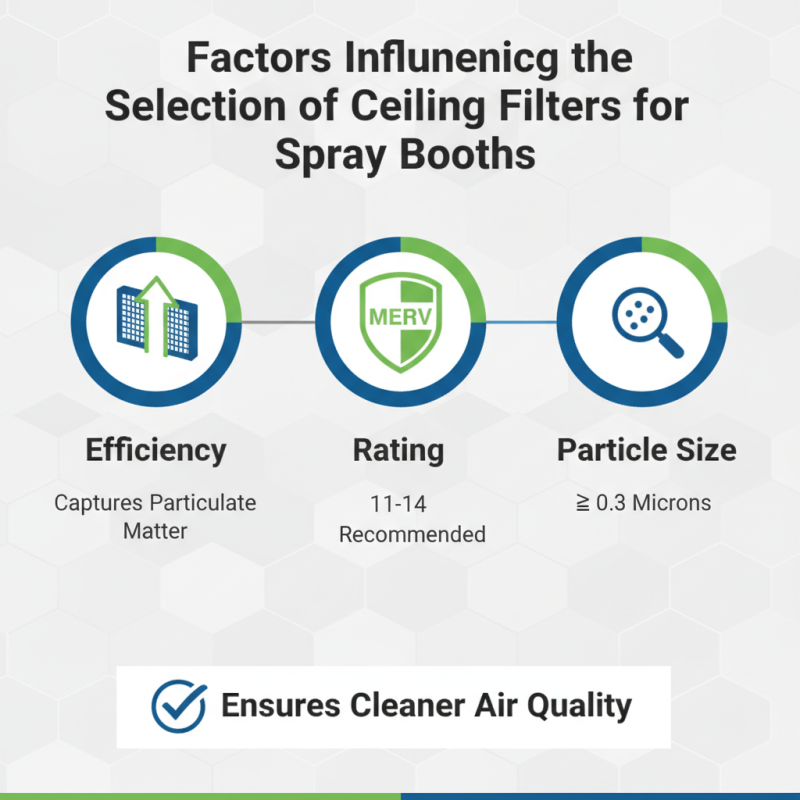
When selecting ceiling filters for spray booths, several influential factors come into play. One critical aspect is the filter's efficiency in capturing particulate matter. According to industry data, filters with a Minimum Efficiency Reporting Value (MERV) rating between 11 and 14 are often recommended for optimal performance. These filters can trap particles as small as 0.3 microns, ensuring cleaner air quality in the workspace.
Another significant consideration is the material composition of the filters. Various materials, like polyester and fiberglass, offer unique benefits. Polyester filters tend to be more durable and moisture-resistant, while fiberglass filters are often more affordable. However, they may not last as long under heavy use. Evaluating the environment of the spray booth is crucial as well, since exposure to humidity and high temperatures can affect filter longevity and efficiency.
Cost is a prominent factor, but production quality shouldn't be compromised. Expensive filters do not always guarantee superior performance. Weighing the initial investment against potential long-term savings is vital. A study indicated that improperly selected filters can lead to increased maintenance costs by up to 30%. Regular assessments and adjustments to filter choice based on usage patterns and environmental conditions are essential for maintaining optimal air quality.
Types of Ceiling Filters Available for Spray Booths
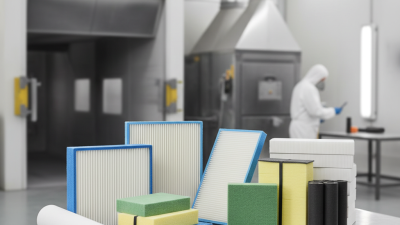
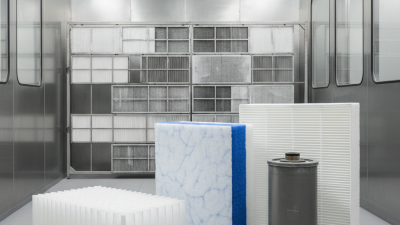
Choosing the right ceiling filter for your spray booth is crucial. Different types serve various needs, and understanding these can optimize your painting environment. One popular type is the polyester filter. It effectively captures large particles, ensuring a clean atmosphere. However, it may not trap smaller contaminants as efficiently.
Another option is the pleated filter. This design increases surface area, allowing for better airflow and enhanced filtration. It can handle both large and small particles. Some users report that these filters need frequent replacement, which can be a drawback. Consider your maintenance schedule before deciding.
Electrostatic filters use a charged mechanism to attract particles. They can be highly effective in controlling airborne debris. However, they may require special equipment to function optimally. Be cautious with these, as they might not fit all setups. Evaluating your specific needs ensures you choose the right type for your spray booth.
Key Performance Metrics to Evaluate Ceiling Filters
When selecting spray booth ceiling filters, understanding key performance metrics is crucial. Airflow, filtration efficiency, and dust-holding capacity are essential factors. According to industry studies, filters with a 95% efficiency rating can significantly reduce airborne paint particles. This level of filtration is vital for maintaining air quality and ensuring compliance with regulations.
The pressure drop across filters is another vital metric. A lower pressure drop indicates easier airflow, which is critical for efficient operation. Research suggests that a pressure drop exceeding 1 inch H2O can lead to increased operating costs. Filters should also have a high dust-holding capacity to extend service life. Regular monitoring of filter performance can prevent unexpected maintenance and costly downtime.
Visual inspection plays a role in performance assessment. Despite the importance of metrics, practical experience often reveals discrepancies. Some filters may meet theoretical specifications but underperform in real-world conditions. This inconsistency highlights the necessity of not only reviewing data but also gathering feedback from operators who interact with the filters daily. The combination of quantifiable data and practical insights ensures a more informed choice.
Essential Tips for Choosing Spray Booth Ceiling Filters - Key Performance Metrics to Evaluate Ceiling Filters
| Filter Type |
MERV Rating |
Airflow Resistance (Pa) |
Lifespan (Months) |
Efficiency (%) |
| Pleated Filter |
MERV 8 |
40 |
6 |
80 |
| Fiberglass Filter |
MERV 6 |
50 |
4 |
70 |
| Activated Carbon Filter |
MERV 10 |
60 |
12 |
90 |
| HEPA Filter |
MERV 17 |
80 |
24 |
99.97 |
Best Practices for Maintenance and Replacement of Filters
When choosing spray booth ceiling filters, maintenance is crucial. Regular upkeep ensures optimal performance and longevity. Filters should be checked weekly for signs of wear and tear. A dirty filter can impact airflow and decrease efficiency.
Timely replacement is essential. Filters lose their effectiveness over time. Replace them according to usage and the manufacturer's guidelines. Consider a monthly check-up if your booth operates heavily. This helps maintain air quality and safety.
Tips to enhance filter longevity include maintaining proper humidity levels. Excess moisture can degrade filter materials. Use high-quality materials for your installation. Sometimes, it’s easy to overlook minor damage. Small tears can lead to bigger issues down the line. Awareness of these details is key to effective maintenance.
Essential Tips for Choosing Spray Booth Ceiling Filters