10 Essential Tips for Choosing the Right Hepa Filter for Your Home?
Choosing the right HEPA filter for your home is crucial for maintaining good air quality. Dr. Emily Carter, an air quality expert, states, “A proper HEPA filter can significantly reduce allergens and pollutants." This quote underscores the importance of selecting a filter that fits your specific needs.
When considering a HEPA filter, think about the environments you frequently encounter. Large families or homes with pets often require stronger filtration. Filters vary significantly in efficiency and lifespan. This diversity can be confusing. Not every filter will provide the same level of purification, so doing research is essential.
Look for filters that not only capture dust and pollen but also tackle microscopic particles. Remember, choosing a HEPA filter isn't a one-size-fits-all decision. It may take some time to find the perfect fit for your home. Balancing quality, cost, and effectiveness is key in this process. Reflect on your personal needs, and be prepared to make adjustments along the way.
Understanding HEPA Filters: What You Need to Know
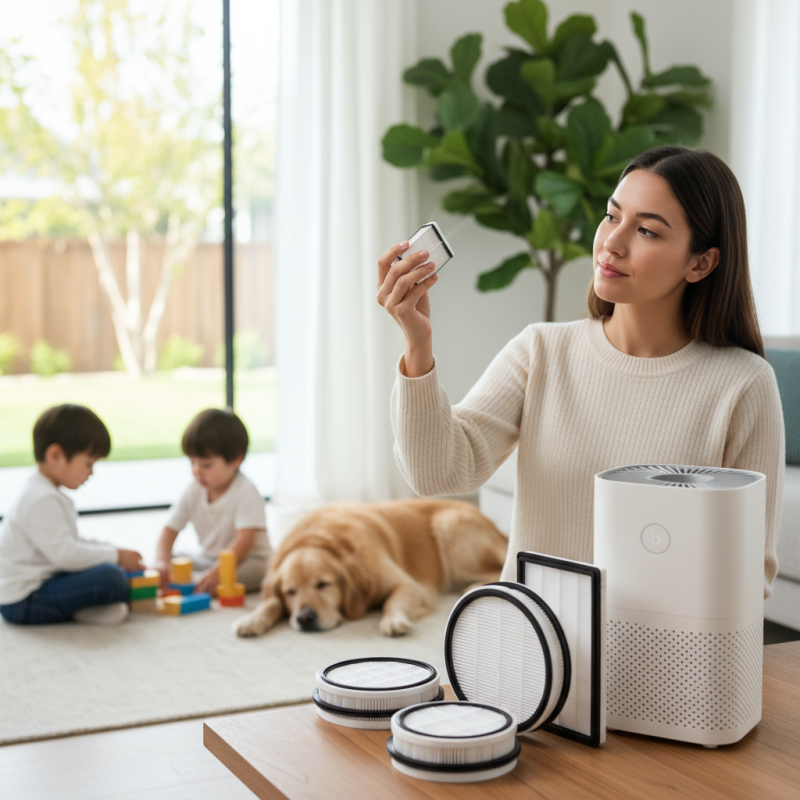
HEPA filters are essential for maintaining clean indoor air. They trap particles as small as 0.3 microns, capturing dust, pollen, smoke, and pet dander. A solid understanding of HEPA filters is vital before making a choice. Not all filters labeled as HEPA meet the same standards. Some may not capture as effectively. It’s crucial to look beyond the label.
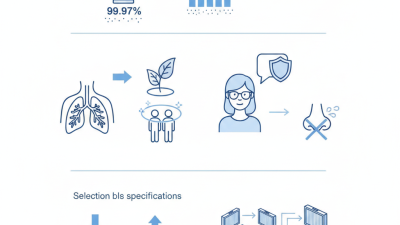
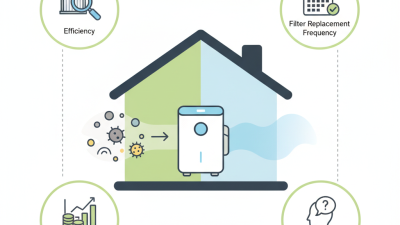
When considering a HEPA filter, check the specifications. Look for the efficiency rate. A true HEPA filter operates at 99.97% efficiency. This high standard ensures cleaner air in your home. Think about your space. Larger areas may require multiple units. Don't forget maintenance aspects. Filters need regular replacement. Neglecting this could diminish their effectiveness.
Many people overlook noise levels. Some filters can be quite loud. Consider your comfort level. Are you okay with a constant hum? Pay attention to features that matter to you. Do you need a filter with added capabilities, like odor removal? Each choice can significantly influence the overall air quality. Reflect on your environment and needs. It’s a personal journey toward cleaner air.
Recognizing the Different HEPA Filter Grades and Standards
When selecting a HEPA filter, it’s essential to understand the different grades and standards. HEPA stands for High-Efficiency Particulate Air. A true HEPA filter captures at least 99.97% of particles 0.3 microns in size. However, not all HEPA filters meet this standard. Some filters are labeled as “HEPA-type” or “HEPA-like.” These may not perform as well. Choosing the right filter requires careful consideration of specifications.
Additionally, the type of contaminants you want to remove plays a crucial role. Allergens, dust, and pet dander vary in size and composition. A filter rated for fine particles may not be effective for larger debris. Always check the MERV (Minimum Efficiency Reporting Value) rating. A higher MERV rating indicates better filtration but may restrict airflow. This could damage your HVAC system. Balancing filtration efficiency with airflow is often a challenge.
Examining the filter’s lifespan is also vital. Some filters last longer than others. Regularly changing the filter is necessary to maintain air quality. Neglecting this could lead to a buildup of pollutants in your home. Keeping these factors in mind will help in making a more informed decision.
Assessing Your Home's Air Quality Needs Before Selection
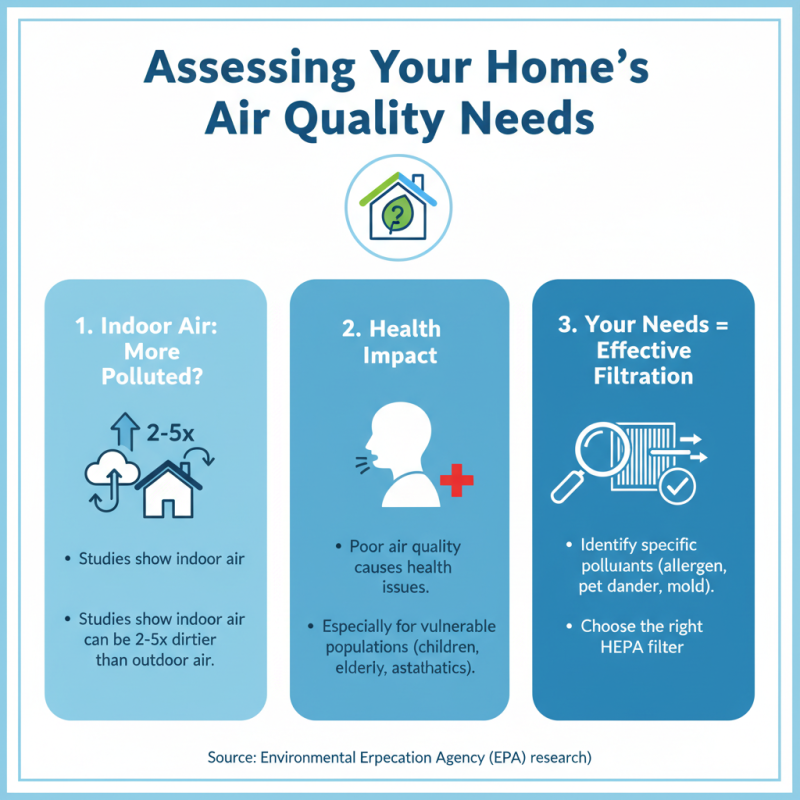
Assessing your home's air quality is a crucial step when selecting a HEPA filter. Studies show that indoor air can be two to five times more polluted than outdoor air. Poor air quality may cause health issues, especially for vulnerable populations. Understanding your specific needs is essential for effective filtration.
Before making a decision, analyze the common pollutants in your home. Dust, pet dander, and mold spores often reside in indoor air. Air quality reports indicate that HEPA filters can remove at least 99.97% of airborne particles that are 0.3 microns or larger. If your home has high levels of allergens, you need a filter with a high Clean Air Delivery Rate (CADR).
Tip 1: Regularly monitor indoor air quality. Small devices can help track changes.
Tip 2: Consider your lifestyle. Homes with pets or smokers have different needs.
Tip 3: Don't ignore maintenance. A clogged filter will reduce air quality instead of improving it.
Considering Filter Size and Compatibility with Your HVAC System
When selecting a HEPA filter, filter size and compatibility are crucial. Measure your HVAC system's slot carefully. A filter that doesn't fit can lead to air leaks. An improper seal affects efficiency. Check the dimensions against what is specified. Don’t assume; verify.
Consider the type of HVAC system you have. Some systems require specific filters. If the filter is too thick, it may restrict airflow. This could strain your system. Conversely, a filter that is too thin won't catch particles effectively. If you're unsure, consult the user manual for guidance or seek professional advice.
Be aware that not all HEPA filters are created equal. Some might boast HEPA certification but differ in actual performance. Look for filters designed for your home environment, especially if allergies are a concern. Experiment with different options. If one doesn’t perform as expected, reassess your choices. Regular maintenance is also essential. A filter that isn’t changed regularly loses effectiveness. Finding the right balance takes some testing and reflection.
HEPA Filter Efficiency Ratings
Evaluating Maintenance Requirements and Filter Lifespan
When choosing a HEPA filter, maintenance needs and filter lifespan are crucial. Most HEPA filters need to be replaced every 6 to 12 months. This frequency can vary based on usage and air quality. For instance, homes with pets or smokers may require more frequent changes. A report by the Environmental Protection Agency indicates that indoor air can be 2 to 5 times more polluted than outdoor air. Therefore, understanding when to replace your filter is vital for maintaining air quality.
Cleaning responsibilities can also add complexity. Some filters are washable, while others are disposable. Washable filters save money but require regular maintenance. It’s important to clean them correctly; improper cleaning can reduce efficiency. A study from the American Society of Heating, Refrigerating and Air-Conditioning Engineers (ASHRAE) revealed that neglected maintenance could lead to a 50% drop in performance. Many homeowners might overlook this aspect, believing once a filter is in place, it’s fine for months.
While the lifespan of a filter is often highlighted, its impact on indoor air quality cannot be understated. A clean filter ensures fewer allergens and pollutants circulate. However, the reality is that filters alone cannot solve air quality issues. They must be part of a broader strategy that includes proper ventilation and air exchange. Balancing these factors can be challenging, yet it is essential for creating a healthy home environment.