Why You Should Filter For Spray Booth Selection?
When selecting a spray booth, the choice of filters is crucial. According to industry reports, up to 70% of air quality issues in spray booths stem from inadequate filtration. This highlights the importance of using appropriate filter for spray booth to ensure compliance with health regulations and improve workplace safety.
Effective filtration not only enhances the air quality but also protects the equipment. Studies indicate that booths with high-quality filters can last 30% longer than those with subpar options. However, many companies overlook this aspect and face challenges with material waste and increased maintenance costs.
Choosing the right filter requires careful consideration. Factors such as paint type, booth size, and airflow must be evaluated. Neglecting these can lead to inefficiencies. Filters should be regularly monitored and replaced based on usage patterns. A commitment to selecting the appropriate filter for spray booth demonstrates an investment in operational excellence and employee health.
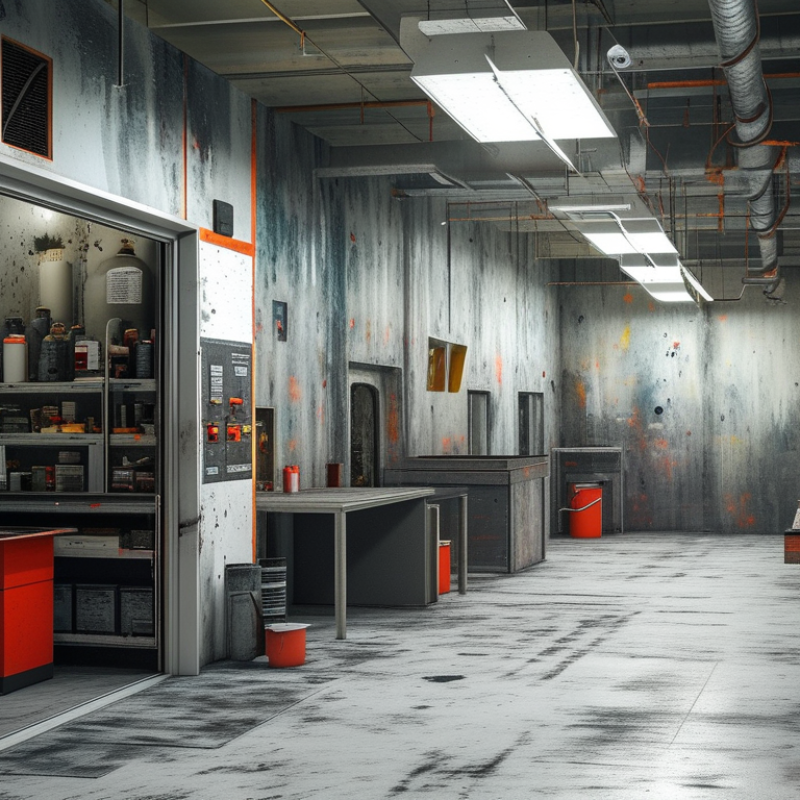
Understanding the Importance of Spray Booths in Industrial Settings
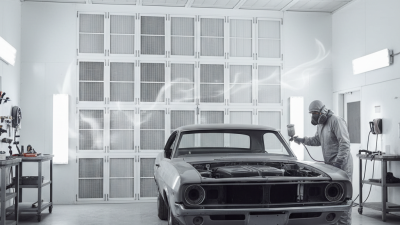
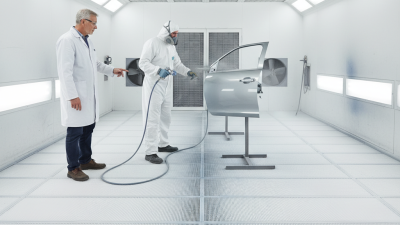
Spray booths play a vital role in many industrial settings. They provide a controlled environment for painting and finishing processes. This control helps to ensure high-quality outcomes.
Good ventilation systems capture harmful vapors. It also filters airborne particles, protecting both workers and the product. Without proper spray booths, these essential processes could become dangerous.
Selecting the right spray booth is crucial. Factors include booth size, airflow patterns, and filtration systems. An inadequate booth can lead to overspray and contamination. This can result in costly rework and even safety hazards. Some companies overlook this aspect, prioritizing costs over safety.
Ensuring proper equipment means recognizing its long-term benefits.
Reflection on past experiences is important. Have there been issues with product quality? Were there times when safety was compromised? These questions prompt improvements in booth selection. Consider where improvements can be made. Learn from previous oversights to make informed choices.
Key Factors to Consider When Selecting a Spray Booth
When selecting a spray booth, several key factors deserve attention. Efficiency is crucial. According to industry reports, a well-ventilated spray booth can reduce overspray by up to 80%. This not only improves finish quality but also minimizes material waste. Compliance with safety regulations is another vital consideration. A booth that meets OSHA and EPA standards protects workers and ensures a safer environment.
Maintenance is often overlooked but critical. Regular upkeep can prolong booth life and enhance performance. Reports suggest that maintenance can improve efficiency by 15-20%. Choosing a booth with easy access for cleaning can significantly impact operational productivity.
Tips: Always check for proper air filtration systems. They can drastically cut down contaminants. Regularly review your booth’s performance data to make informed adjustments. Consider the volume of work. A booth that can't handle your workload can lead to delays. Choosing the right booth can transform your operations significantly.
Why You Should Filter For Spray Booth Selection? - Key Factors to Consider When Selecting a Spray Booth
| Key Factor |
Description |
Importance Level |
Recommended Specification |
| Size and Capacity |
Determine the dimensions and workload requirements. |
High |
Custom-fit based on your current and future needs. |
| Ventilation System |
Effective air circulation to maintain safety and quality. |
Critical |
High-efficiency filtration and balanced airflow. |
| Lighting |
Sufficient lighting is essential for quality control. |
Medium |
LED panels with at least 1000 lux brightness. |
| Ease of Maintenance |
Consider maintenance needs and downtime. |
High |
Design for easy access to filters and components. |
| Fire Safety Features |
Ensure compliance with safety regulations. |
Critical |
Sprinkler systems and fire-retardant materials. |
| Energy Efficiency |
Look for energy-saving features to reduce costs. |
Medium |
Models with variable speed drives and insulation. |
Types of Spray Booths and Their Specific Applications
When selecting a spray booth, understanding the various types available is crucial. There are several categories, including cross-draft, down-draft, and side-draft booths. Each serves specific applications in industries such as automotive, aerospace, and woodworking. For instance, down-draft booths provide excellent airflow, ensuring even paint application and minimizing overspray. This can result in an improved finish quality.
Statistical data shows that over 70% of paint defects in manufacturing are linked to inadequate booth conditions. This highlights the importance of choosing the right booth type for your specific application. For automotive painting, cross-draft booths may be preferred for their quick setup and lower costs. However, they can lead to uneven finishes if not monitored carefully.
**Tips:** Ensure regular maintenance of your booth. This helps maintain optimal performance. Additionally, consider the volume of work you handle; a high-volume operation may benefit from a more advanced booth system. Pay attention to ventilation requirements; improper airflow can create hazardous work conditions. Carefully assess your workspace and workflows to make an informed choice.
The Role of Filtration Systems in Enhancing Spray Booth Efficiency
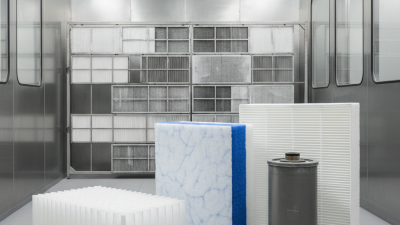
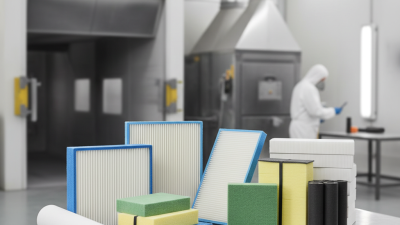
In spray booth operations, filtration systems play a vital role in maintaining efficiency. Proper filtration minimizes airborne contaminants, ensuring a cleaner environment for painting. By reducing dust and particles, these systems enhance the coating quality. When paint is applied, any imperfections can lead to costly rework. Thus, investing in effective filters can save time and resources.
Without a good filtration system, you risk poor air quality. This can result in uneven finishes and increased overspray. These complications may not be immediately obvious. Over time, they can severely impact productivity and product quality. A well-designed filtration system can capture harmful particles and paint overspray, creating a safer workspace for operators.
Choosing the right filters requires careful consideration. Factors include the type of materials used and the specific airflow requirements of the spray booth. Sometimes, businesses overlook these details, leading to decreased efficiency. Ensuring regular maintenance and timely replacement of filters can significantly improve performance. Reflecting on these aspects can lead to better outcomes in spray booth operations.
Regulatory Compliance and Safety Standards for Spray Booths
Choosing the right spray booth is critical, especially regarding regulatory compliance and safety standards. According to the Occupational Safety and Health Administration (OSHA), proper ventilation and filtration systems are essential to protect workers from harmful fumes and particles. A poorly chosen spray booth can lead to serious health risks. In fact, nearly 25% of workers in the painting and coating industry report respiratory issues due to inadequate ventilation.
Compliance with local and national regulations is another crucial factor. The Environmental Protection Agency (EPA) has set strict guidelines for emission levels. Facilities that do not adhere to these standards may face substantial fines. Research shows that over 60% of commercial spray booths are not compliant with existing environmental regulations. This non-compliance can harm the industry’s reputation and financial standing.
Safety standards also include fire prevention measures. Spray booths must be designed with materials that reduce flammability. Many booths fail to meet these standards, putting employees at risk. A case study reported that 15% of fire incidents in manufacturing are linked to inadequate spray booth safety measures. Employers must invest in high-quality booths to mitigate these risks and ensure a safe working environment.