Why Invest in Paint Booth Exhaust Filter Roll for Optimal Air Quality?
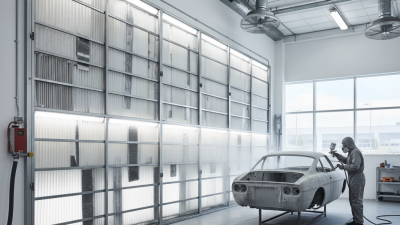
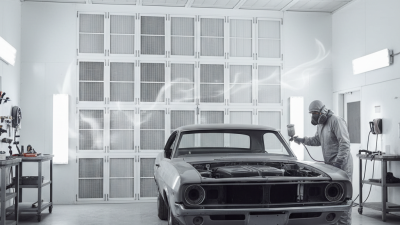
In the pursuit of optimal air quality, one often overlooked element is the Paint Booth Exhaust Filter Roll. This product plays a crucial role in maintaining a safe and clean environment for various manufacturing processes. By efficiently capturing harmful particles and overspray, these filters significantly enhance the air quality in paint booths, reducing the risk of contamination.
Investing in high-quality Paint Booth Exhaust Filter Rolls is not just about compliance; it’s about fostering a healthier workspace. When the air is filled with volatile organic compounds and paint fumes, workers are exposed to potential health hazards. The right filters can mitigate these risks, yet many businesses may neglect this essential aspect of their operations. This oversight can lead to significant long-term consequences for both employees and equipment.
Moreover, using subpar filters could compromise the desired finish on products and increase operational costs. Regularly replacing and maintaining these filters is vital. However, some companies might underestimate their importance, leading to inadequate solutions. Ultimately, enhancing air quality should be a priority, emphasized by the significant benefits of Paint Booth Exhaust Filter Rolls.
Benefits of Investing in Paint Booth Exhaust Filter Roll
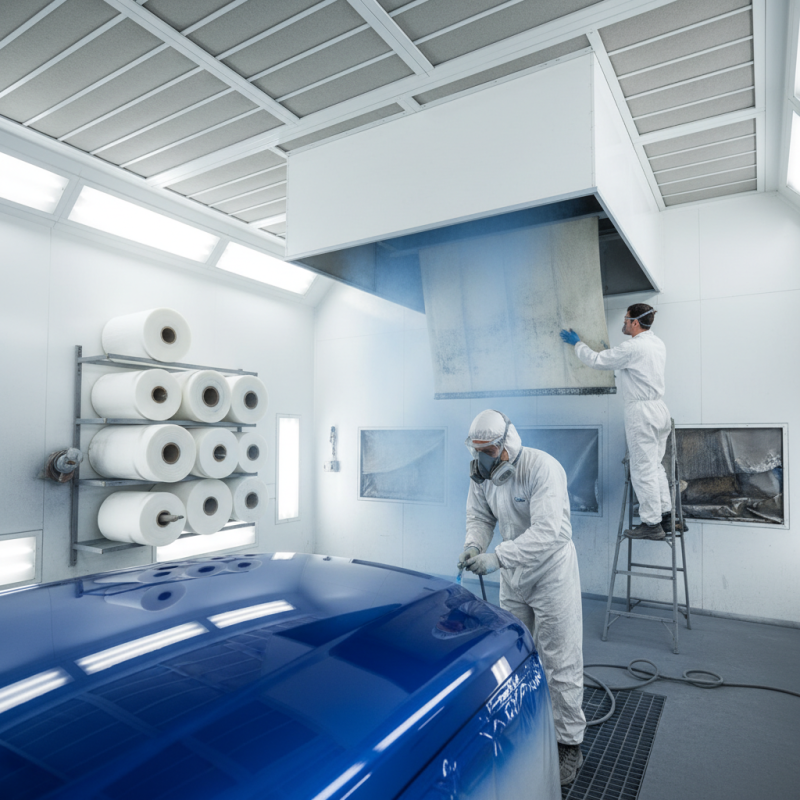
Investing in paint booth exhaust filter rolls can significantly enhance air quality. These filters capture harmful particles and fumes. A well-functioning filter can reduce the risk of respiratory issues. Clean air is essential for the health of workers and the quality of the paint job.
Choosing the right filter roll is crucial. Not all filters are created equal. Some may not capture the smallest particles effectively. Regularly replacing the filter is vital for maintaining optimal airflow. It may seem like an additional cost, but the benefits outweigh the expenses.
Quality air translates to better work conditions. Employees can focus better in a clean environment. Productivity often increases when workers breathe fresher air. However, neglecting the maintenance of these filters can lead to serious consequences. Regular checks are necessary to prevent buildup and inefficiency.
Understanding Air Quality Standards in Paint Booth Environments
In a paint booth environment, air quality standards are critical. According to the Environmental Protection Agency (EPA), volatile organic compounds (VOCs) can reach hazardous levels without proper ventilation. Poor air quality can lead to health issues for workers. Keeping air clean is not just regulatory; it affects productivity.
Paint booth exhaust filters play a vital role in maintaining clean air. The National Institute for Occupational Safety and Health (NIOSH) recommends that the concentration of harmful particles be kept below 10 micrograms per cubic meter. Without effective filters, these levels can rapidly increase. Many facilities may overlook the type of filters used, leading to inadequate protection. Regular monitoring and adjustment of filters are essential yet often neglected.
Training workers on air quality standards is just as important as the equipment used. Many employees may not fully understand the risks associated with inhaling contaminants. Companies often forget to provide educational resources. Increasing awareness can improve compliance and air quality significantly. A proactive approach to filter maintenance and worker education can make a noticeable difference in a paint booth's air quality.
How Paint Booth Exhaust Filters Enhance Workplace Safety
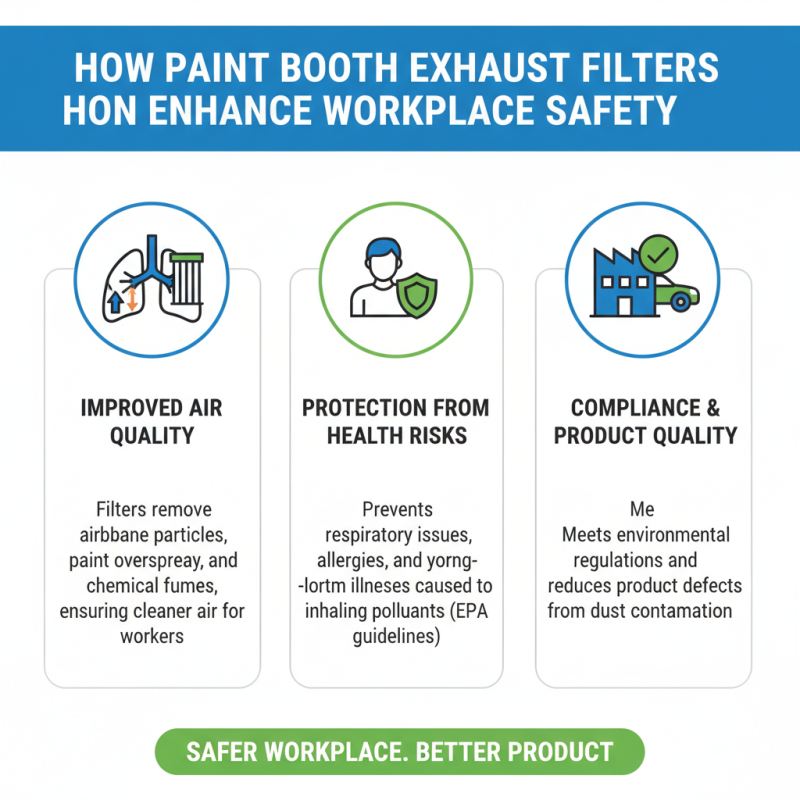
In the realm of paint booths, air quality is paramount. A clean environment ensures the safety of workers and the quality of the finished product. According to the Environmental Protection Agency (EPA), poor air quality can lead to various health issues. This includes respiratory problems and long-term illnesses. Effective paint booth exhaust filters play a crucial role in maintaining acceptable air standards.
These filters trap harmful particles, volatile organic compounds (VOCs), and other pollutants. Studies show that using high-quality exhaust filters can reduce VOC emissions by up to 90%. This significant reduction boosts workplace safety. Workers are less exposed to harmful chemicals, leading to a healthier work environment. Additionally, proper airflow reduces the risk of fire hazards associated with flammable materials.
However, challenges remain. Many businesses overlook filter maintenance, leading to reduced effectiveness. Dirty filters can create airborne dust and pollutants. Moreover, the improper disposal of these filters can harm the environment. Regular checks and proper training can mitigate these issues, but many facilities struggle with implementing consistent practices. It's essential to recognize these flaws and commit to better air quality management.
Key Features to Look for in Exhaust Filter Rolls
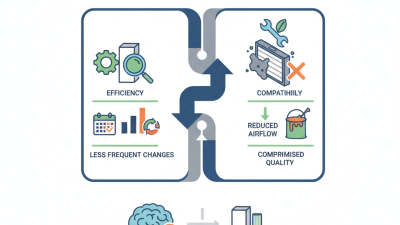
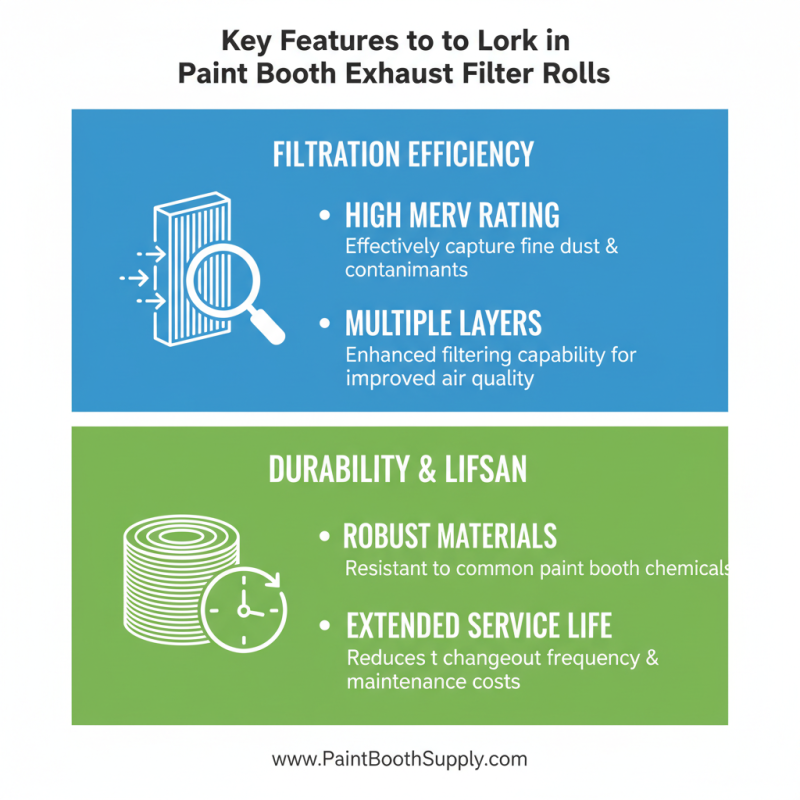
When investing in paint booth exhaust filter rolls, several key features stand out. Firstly, filtration efficiency is crucial. High-quality filters capture airborne particles effectively. Look for filters with a high MERV rating. This indicates their ability to trap fine dust and contaminants. Additionally, some filters come with multiple layers. This enhances their filtering capability. A layered design can significantly improve air quality.
Media thickness also matters. Thicker media may hold more contaminants before needing replacement. However, this can reduce airflow. A balance is essential. Too thick may inhibit performance. Also, consider the material. Some filters use synthetic fibers. They often provide better durability and effectiveness. Yet, they might be more expensive.
Compatibility with your paint booth is vital. An improper fit can lead to leaks. Check sizes carefully. Furthermore, saturation indicators can be helpful. These tell you when a filter needs changing. Regular maintenance is essential for optimal air quality. Keeping track of filter life can be challenging, yet it’s necessary for a safe environment. Choosing wisely means considering both efficiency and practicality.
Cost-Effectiveness of Quality Paint Booth Filter Maintenance
Paint booth exhaust filters play a crucial role in maintaining air quality. Regular maintenance of these filters can be cost-effective. High-quality filters can capture harmful particles and solvents. This reduces the risk of contamination in the workspace. Clean air promotes better health and safety for workers. It minimizes the chance of respiratory issues over time.
However, some may overlook the importance of filter upkeep. Skipping maintenance may seem like a saving. In reality, it can lead to higher costs later. Clogged filters can cause equipment strain. This increases energy usage and can result in repairs. Investing in good filter maintenance can save money long-term.
Many businesses also underestimate filter lifespan. They may replace filters too often or not enough. Finding the right replacement schedule is essential. Monitoring filter performance helps in making informed decisions. Regular inspections will reveal the true state of air quality. Making informed choices leads to a healthier work environment.
Paint Booth Exhaust Filter Maintenance Cost-Effectiveness