Top Large Hepa Filter Benefits for Home and Office Air Quality Improvement?
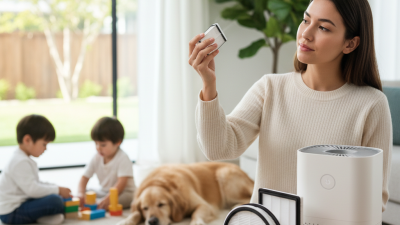
The quest for clean air has become essential for homes and offices. A Large Hepa Filter stands at the forefront of air purification technology. These filters are designed to capture tiny particles, including dust, pollen, and other allergens. This ensures a healthier environment for occupants.
Many people underestimate air quality's impact on well-being. Poor air can lead to health issues such as allergies and respiratory problems. A Large Hepa Filter addresses these challenges effectively. It not only enhances air quality but also promotes overall comfort and productivity. For instance, offices with better air filtration see fewer sick days among employees.
Embracing the use of Large Hepa Filters may require an initial investment. Yet, the long-term benefits on health and performance are substantial. Increased awareness of air quality needs reflection on choices. Making informed decisions about air filtration can lead to improved living and working conditions. Keeping these factors in mind is vital for making a sound investment in air quality.
Advantages of Large HEPA Filters for Home and Office Environments
Large HEPA filters provide significant benefits for improving air quality in both home and office environments. According to the Environmental Protection Agency (EPA), indoor air can be five times more polluted than outdoor air. This makes effective filtration crucial. Large HEPA filters can capture up to 99.97% of airborne particles as small as 0.3 microns, including dust, pollen, mold spores, and pet dander. Using these filters can lead to a noticeable reduction in allergy symptoms and respiratory issues.
Tips for selecting a large HEPA filter:
- Consider room size and airflow needs.
- Ensure the filter is designed to fit your space effectively.
- Regular maintenance is key to ensuring optimal performance.
Clogged filters can decrease efficiency and restrict airflow, leading to poor air quality.
Integrating large HEPA filters into your space can have a transformative effect on health. A study published in the Journal of Environmental Health found that HEPA filters significantly reduce airborne contaminants, improving overall well-being. Balancing air filtration with other factors, like ventilation, can further enhance air quality. Remember that while HEPA filters are beneficial, they do not eliminate the need for regular cleaning and maintenance in living and working spaces.
How Large HEPA Filters Enhance Indoor Air Quality
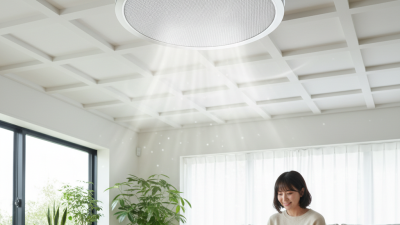
Large HEPA filters play a significant role in enhancing indoor air quality. They effectively trap particles as small as 0.3 microns, which can include dust, pollen, smoke, and pet dander. According to the Environmental Protection Agency (EPA), indoor air can be up to five times more polluted than outdoor air. This makes the use of high-efficiency particulate air (HEPA) filters crucial for both homes and offices.
One surprising statistic is that poor indoor air quality can lead to a variety of health issues. Studies show that it contributes to respiratory diseases and allergies in up to 50% of the population. Large HEPA filters not only capture airborne toxins but also reduce the overall concentration of volatile organic compounds (VOCs). This can lead to a cleaner and safer environment and boost productivity levels in workplaces.
Tips for optimal use include placing filters in central locations for maximum airflow. Regular maintenance is essential; replace filters every 6-12 months for best results. Also, consider using a combination of HEPA filters with activated carbon, which helps absorb odors. Remember, while a large HEPA filter significantly improves air quality, it won't eliminate all sources of indoor pollution. Regular cleaning and proper ventilation are still vital.
Top Large HEPA Filter Benefits for Home and Office Air Quality Improvement
Comparative Analysis of Large HEPA Filters vs. Other Air Filters
Large HEPA filters are essential in enhancing air quality for both home and office environments. They excel at capturing airborne particles like dust, pollen, and smoke. Unlike standard air filters, HEPA filters trap 99.97% of particles as small as 0.3 microns. This efficiency significantly reduces allergens and improves overall health.
When compared to other air filters, large HEPA filters stand out. Other filters may not capture fine particles effectively. For instance, some rely on pre-filters or electrostatic charge, which can degrade over time. HEPA filters, on the other hand, maintain their effectiveness without losing filtration ability. The durability of large HEPA filters often leads to less frequent replacement, offering a practical benefit in the long run.
However, it’s crucial to consider the maintenance required. HEPA filters can become clogged if not properly cared for, leading to decreased airflow and filtration efficiency. Users must regularly check and maintain their systems to avoid reduced performance. While HEPA filters are highly reliable, they require commitment to ensure optimal air quality. Balancing convenience and care in air filtration systems is vital for achieving the best results.
Key Health Benefits of Using Large HEPA Filters in Residential Spaces
Large HEPA filters are essential for enhancing air quality in homes and offices. These filters capture up to 99.97% of airborne particles, including dust, pollen, and pet dander. This level of filtration can significantly reduce allergens and irritants in indoor spaces. Cleaner air helps alleviate respiratory issues, making breathing easier for everyone.
In residential areas, using large HEPA filters can contribute to overall well-being. Many people spend significant time indoors, often in spaces with poor ventilation. By improving airflow with HEPA technology, the risk of exposure to harmful pollutants decreases. Families with children or elderly members can particularly benefit. The reduction of particles enhances comfort and promotes better sleep.
Despite their effectiveness, large HEPA filters require maintenance and regular replacement. Some individuals may overlook this aspect, which can diminish performance over time. It’s necessary to monitor filter conditions to enjoy their health benefits fully. Users sometimes hesitate to invest in larger units, thinking they may not fit, but the long-term health advantages can outweigh initial concerns.
Cost-Effectiveness and Longevity of Large HEPA Filters for Air Purification
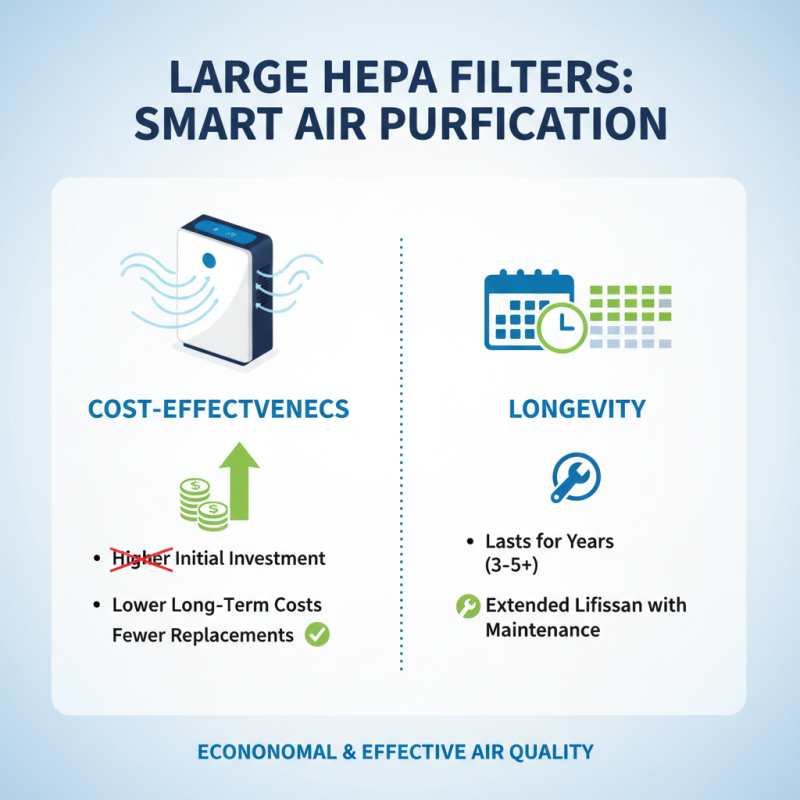
Large HEPA filters play a crucial role in improving air quality in homes and offices. One significant benefit is their cost-effectiveness over time. Although the initial investment may seem high, these filters can last for several years. This longevity means fewer replacements, translating to lower long-term costs. Regular maintenance can further extend their lifespan, making them an economical choice for air purification.
Moreover, large HEPA filters capture a high percentage of airborne contaminants. They effectively remove allergens, dust, and even some bacteria. This level of filtration enhances indoor air quality, leading to a healthier environment. Businesses often overlook air quality, but investing in large HEPA filters can greatly reduce employee sick days and boost productivity.
However, it’s essential to consider the placement and usage of these filters. Improper installation may lead to inefficiencies. Regular monitoring of filter performance is key. This way, users can ensure that their air purification system functions optimally. While large HEPA filters have evident benefits, potential users must be aware of their specific needs and preferences to find the best fit for their spaces.