How to Maintain Your Laminar Flow Hood Filter for Optimal Performance?
Maintaining a Laminar Flow Hood Filter is crucial for optimal performance in cleanroom environments. Dr. Sarah Mandell, an industry expert, once said, "A well-maintained filter is the backbone of any successful cleanroom operation." Proper care ensures that your filtration system functions efficiently and protects sensitive processes.
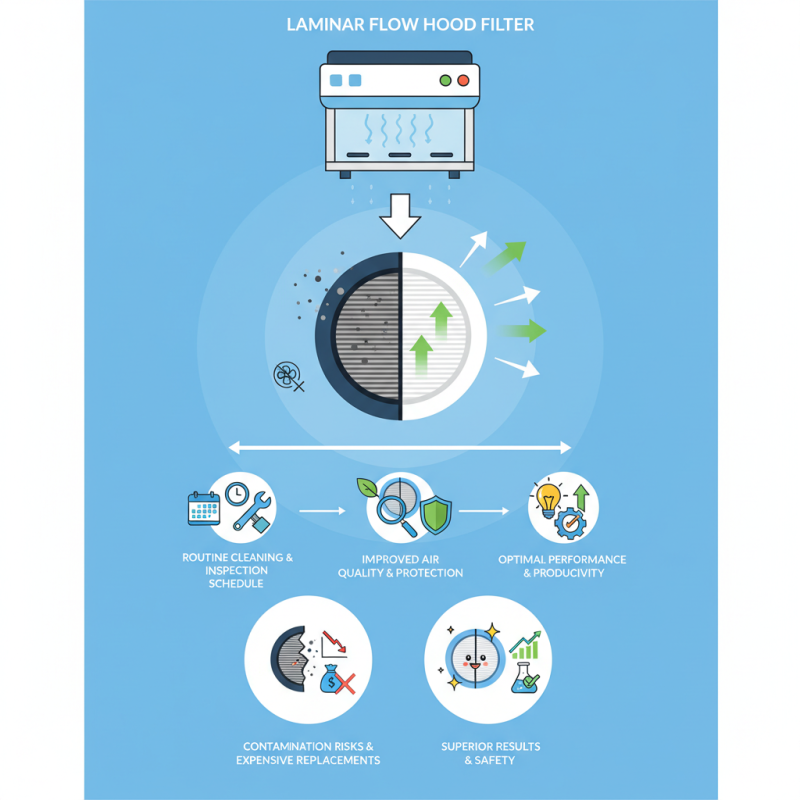
Over time, filters can accumulate dust and particles. Neglecting regular maintenance can lead to diminished airflow and contamination risks. It's vital to establish a routine cleaning and inspection schedule. Inadequate attention may result in expensive replacements or compromised results.
As you strive for excellence in your work, remember that every detail counts. A clean Laminar Flow Hood Filter not only supports air quality but also fosters productivity. The consequences of oversight can be significant, affecting both safety and results. Choose diligence; your work deserves the best.
Understanding Laminar Flow Hoods and Their Filtration Mechanisms
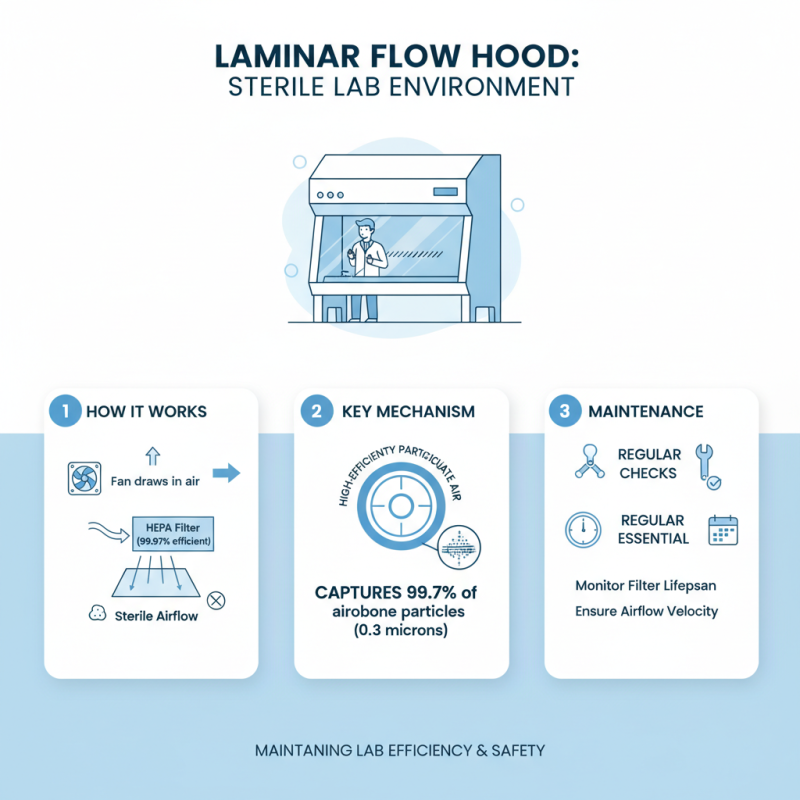
Laminar flow hoods are essential tools in many laboratory settings. They create a sterile environment by using a steady flow of air. This air is filtered to remove particles and contaminants. Understanding how these hoods operate helps in maintaining their efficiency. The main mechanism involves a high-efficiency particulate air (HEPA) filter that captures 99.97% of airborne particles. Regular checks on these filters are necessary.
Filters can become clogged over time, affecting airflow and purity. Often, users overlook simple signs of wear and tear. A visual inspection might reveal that it’s time for a change. Dust buildup can easily accumulate, impacting the overall performance. It’s crucial to stay vigilant about these details. Adopting a scheduled maintenance routine can prevent major issues.
Proper usage of the laminar flow hood is equally vital. Avoid overcrowding the workspace inside the hood. Tools and materials should be arranged to allow easy airflow. Mistakes in positioning can disrupt the laminar flow and reduce effectiveness. Regular training for lab personnel can keep everyone aware of best practices. This proactive approach contributes to optimal filtration and a safer working environment.
Factors Affecting the Efficiency of Laminar Flow Hood Filters
Maintaining a laminar flow hood filter is crucial for optimal performance. Several factors impact the efficiency of these filters. For instance, the type of particulate matter in the environment can greatly influence filter life. According to a 2022 report from the Cleanroom Technology Association, filters exposed to high levels of dust and biological contaminants can clog quickly. Regular monitoring of particulate levels is essential.
Another important factor is airflow dynamics. Uneven airflow can cause dead zones where contaminants accumulate. A study in the Journal of Air Quality Research highlighted that laminar flow hoods should deliver a consistent velocity of 0.45 m/s to maintain proper air circulation. Inadequate airflow can lead to filter bypass and reduced sterility.
User habits also play a role. Frequent and improper use can create additional strain on the filter. It is noted that users may overlook maintenance schedules. This negligence can drastically shorten the lifespan of a filter. A proactive approach is necessary to ensure continuous high performance. Implementing a tracking system for regular maintenance can help establish accountability and improve filter longevity.
Step-by-Step Maintenance Procedures for Laminar Flow Hood Filters
Maintaining your laminar flow hood filter is essential for ensuring optimal performance. Regular inspection is a critical first step. According to industry reports, filters can lose up to 20% efficiency over time if not monitored. Inspect your filter monthly for signs of dust or contamination. A dirty filter can compromise air quality and pose risks to sensitive experiments.
Cleaning the filter involves careful procedures. Use a vacuum with a HEPA attachment to remove surface dust. However, avoid direct contact with the filter media, as this may damage it. Some studies indicate that improperly cleaned filters can lead to increased particle counts by up to 50%. It’s also wise to replace the filter annually, as per manufacturer guidelines, to maintain airflow and filtration.
Monitoring airflow velocity is crucial. Maintaining the specified velocity can help prolong the life of the filter. Regularly check the manometer or digital airflow gauge. A drop in airflow may indicate that a filter is clogged. Don’t wait for obvious signs of failure. Take preventative measures instead, as neglect can lead to costly failures and downtime.
How to Maintain Your Laminar Flow Hood Filter for Optimal Performance?
| Maintenance Task |
Frequency |
Description |
Tools Required |
| Visual Inspection |
Monthly |
Check for physical damage or debris on the filter. |
None |
| Pre-Filter Cleaning |
Bi-monthly |
Remove and clean pre-filters using appropriate solvents. |
Soft cloth, cleaning solution |
| HEPA Filter Replacement |
Annually |
Replace HEPA filter as per manufacturer's guidelines. |
Replacement filter |
| SAS Testing |
Semi-annually |
Conduct airflow velocity and particle count tests. |
Airflow meter, particle counter |
| Complete System Check |
Annually |
Review all components for function and performance. |
Tools for inspection |
Recommended Cleaning Agents and Tools for Filter Maintenance
Maintaining your laminar flow hood filter is essential for optimal performance. Cleaning agents and tools play a crucial role in this process. For effective maintenance, it's important to choose the right agents. A common choice for cleaning is a 70% isopropyl alcohol solution. It effectively removes contaminants without damaging filters. This solution dries quickly, reducing downtime.
Microfiber cloths are good tools for cleaning. They trap dust and particles efficiently, ensuring a thorough clean. Avoid using rough materials that might scratch the filter surface. Soft-bristle brushes can help clear stubborn debris without causing damage. Regular cleaning helps maintain air quality in the environment.
Reflecting on past maintenance practices can reveal areas for improvement. Sometimes, filters are cleaned too infrequently, leading to decreased efficiency. Ensure you have a routine in place. Consider setting reminders for maintenance checks. Keeping track of cleaning schedules helps avoid neglecting this critical task. A little attention now can save time and resources later.
Maintenance Frequency of Laminar Flow Hood Filters
This chart illustrates the recommended frequency of maintenance tasks for laminar flow hood filters to ensure optimal performance. Proper maintenance is crucial for the longevity and effectiveness of the filters used in cleanroom environments.
Signs of Filter Contamination and When to Replace the Filter
Maintaining a laminar flow hood filter is crucial for ensuring a sterile environment. One key sign of filter contamination is a noticeable drop in airflow. If air doesn’t flow as freely, the filter may be clogged. Dust or particle accumulation can hinder performance. Regular checks are wise.
Another indication of trouble is visible discoloration. If the filter appears stained or darker than usual, it may be time for a change. Strange odors can also signal a problem. Filters absorb contaminants and odors. A musty smell could mean that contaminants have built up significantly.
It’s essential to track the usage duration of your filter. Ignoring this can lead to unexpected failures. Keep a maintenance log. Sometimes, filters fail without clear signs. New users might overlook subtle hints. Routine inspections can help prevent major issues. Each setup is unique and requires careful observation.