What is a Paint Booth Filter Wall and How Does It Work?
The Paint Booth Filter Wall is a crucial component in any paint booth, ensuring clean air and a safe working environment. According to industry expert, John Smith, “A well-functioning filter wall is essential for optimal paint quality and operator safety.” This system captures overspray and removes particulate matter from the air.
Many businesses overlook the importance of the Paint Booth Filter Wall. However, without proper filtration, the quality of paint jobs diminishes. This can lead to costly rework and damaged reputation. Moreover, inadequate filtration poses health risks to employees. It's vital for companies to regularly maintain their filter walls.
Challenges in selecting the right filters can be daunting. Businesses must consider factors like filter efficiency and airflow. Relying on expert advice is essential for making informed decisions. A well-maintained Paint Booth Filter Wall promotes efficiency and safety, making it an investment worth prioritizing.
What is a Paint Booth Filter Wall?
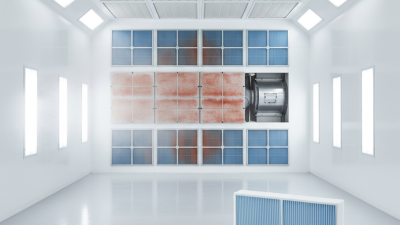
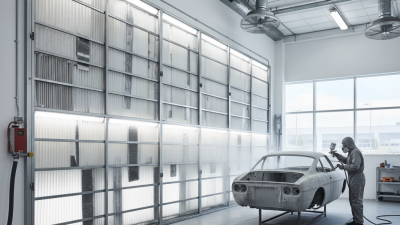
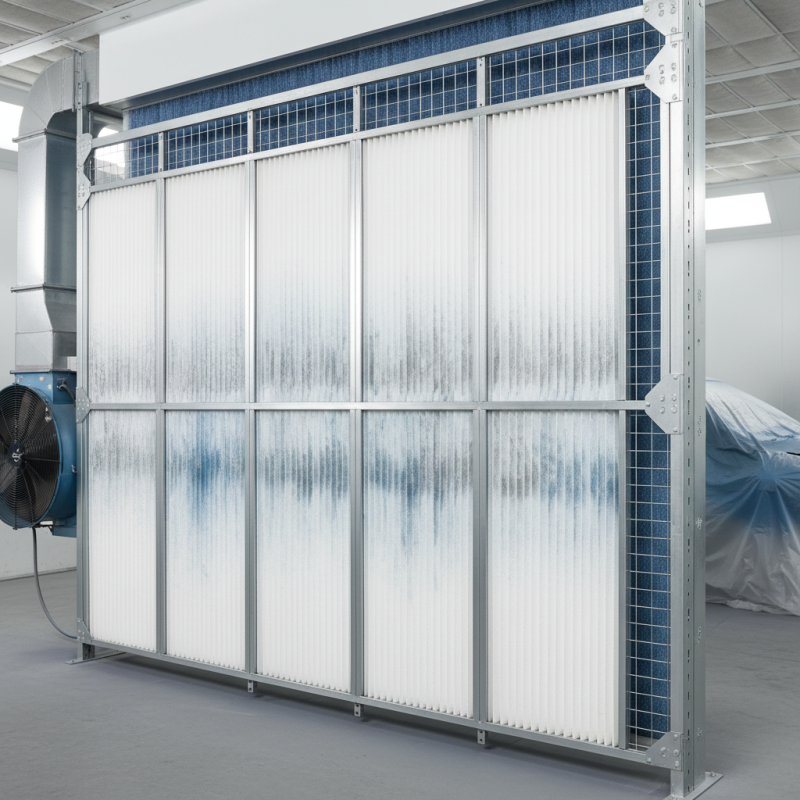
A paint booth filter wall is a vital component in paint booths. Its primary function is to capture overspray and airborne particulates during the painting process. This helps maintain a clean environment, ensuring the final product is free from dust and contaminants. Typically, these filter walls are constructed from multiple layers of specialized materials that trap paint particles and prevent them from circulating back into the airflow.
These filter walls do not only improve air quality; they also contribute to equipment longevity. When overspray accumulates, it can damage machinery and require costly repairs. Regular maintenance of the filter wall is crucial. Users often overlook the importance of changing filters on schedule, leading to inefficiencies and increased costs.
Understanding how a paint booth filter wall works can enhance operational efficiency. It is essential to monitor the filters for signs of clogging. A dirty filter reduces airflow and increases paint booth temperature. This state can cause uneven finishes on painted surfaces. Continuous education on proper maintenance practices is necessary to optimize performance. Awareness of these details elevates workshop standards and produces better results.
What is a Paint Booth Filter Wall and How Does It Work?
| Dimension |
Description |
Functionality |
Material Used |
Typical Applications |
| Width |
Standard widths range from 4 to 12 feet |
Provides a wide coverage area for air filtration |
Typically made from fiberglass or polyester |
Spray painting booths, automotive painting, industrial applications |
| Height |
Ranges from 8 to 12 feet |
Supports vertical airflow and collects paint overspray |
High-efficiency particulate air (HEPA) filters |
Woodworking, metal coating, plastic painting |
| Depth |
Usually 3 to 5 feet deep |
Enhances airflow efficiency through the booth |
Activated carbon or polyester |
Powder coating, automotive refinishing |
| Filter Efficiency |
MERV ratings typically between 8 and 15 |
Captures varying sizes of airborne particles |
Various filter technologies such as electrostatic |
Industrial facilities, painting contractors |
Components of a Paint Booth Filter Wall
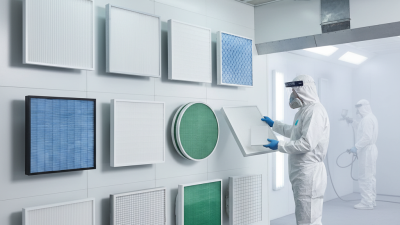
A paint booth filter wall plays a critical role in maintaining air quality during painting operations. The components of a filter wall work together to capture overspray and particulate matter, ensuring a clean environment. Filter walls typically comprise multiple stages of filtration, including pre-filters, main filters, and exhaust filters. Each stage varies in its ability to capture different sizes of particles. For instance, pre-filters capture larger particles while main filters focus on finer aerosol mist.
According to industry data, proper filtration can reduce airborne contaminants by up to 90%. This is vital in preventing defects in finished products and ensuring worker safety. The choice of filter material and design affects efficiency. For example, fiberglass filters are common due to their high dirt-holding capacity. However, they require regular maintenance to ensure optimal performance. Neglecting filter replacement can lead to reduced airflow and increased energy consumption.
Implementing an effective filter wall can be a challenge. Many businesses underestimate the importance of routine checks. Filter blockage can result in paint defects and increased emissions. A thorough understanding of air flow dynamics is essential. Education on maintaining these systems is often lacking, yet it is crucial for overall efficiency. Balancing cost and performance helps ensure a sustainable painting operation.
How Paint Booth Filter Walls Function
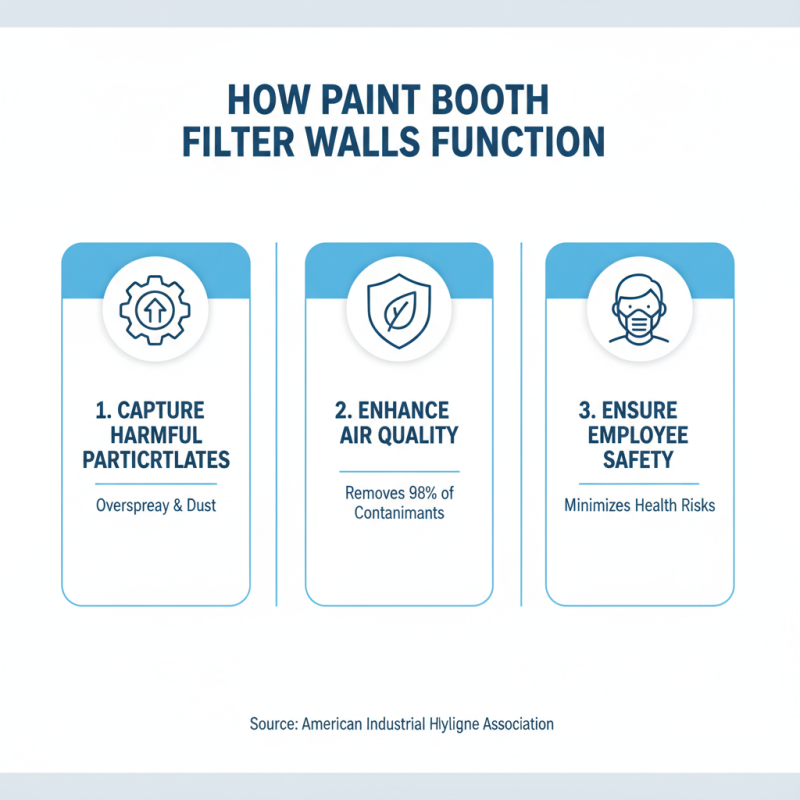
Paint booth filter walls play a vital role in maintaining clean working environments in various industrial settings. These walls are designed to capture harmful particulates and overspray from the painting process. Efficient filter systems can remove up to 98% of contaminants, enhancing air quality and ensuring employee safety. The American Industrial Hygiene Association highlights the importance of proper ventilation and filtration in paint booths to minimize health risks for workers.
Filter walls function through a series of layered materials that trap particles as air flows through. The design allows for both pre-filters and final filters, capturing larger particles first and finer ones later. According to a 2022 report by the Occupational Safety and Health Administration, proper filtration can reduce VOC emissions by nearly 75%. This reduction contributes significantly to a healthier workspace and less environmental impact.
However, not all filter walls perform equally. Many facilities neglect regular maintenance and replacement, which can lead to decreased efficiency. Inadequate filtration can result in a buildup of particulates, potentially compromising air quality. It's essential for operators to stay on top of filter replacements and monitor performance metrics closely. Investing in high-quality filtration systems and regular audits can prevent costly compliance issues down the line.
Benefits of Using Paint Booth Filter Walls
Paint booth filter walls play a crucial role in maintaining a clean and safe environment in paint application areas. These walls are designed to capture harmful particles, fumes, and overspray, ensuring that the workspace remains free from contamination. By using a combination of filter media, they trap pollutants effectively and allow for better air quality. A well-functioning filter wall helps to keep both the workers and the paint products safe.
One of the key benefits of paint booth filter walls is improved efficiency. They facilitate a more controlled airflow, which leads to optimal paint application. This can result in smoother finishes and reduce the amount of paint wasted. Additionally, filter walls can prolong the life of the paint booth equipment. Regular maintenance of these filters is essential, though, as neglect can lead to reduced performance and higher operational costs.
Another advantage is compliance with safety regulations. Many industries are required to adhere to strict environmental and safety standards. Using filter walls helps businesses meet these requirements while minimizing their environmental footprint. Yet, some may overlook the importance of selecting the right filter type, potentially compromising air quality. Careful consideration should be given to the specific needs of the paint booth to maximize the advantages of filter walls.
Benefits of Using Paint Booth Filter Walls
Maintenance and Care for Paint Booth Filter Walls
Maintaining a paint booth filter wall is crucial for optimal performance.
Regular upkeep ensures clean air circulation, which is vital for safety and paint quality.
A dirty filter can lead to hazardous conditions
and poor paint finishes. Studies indicate that up to 70% of issues in paint booths stem from inadequate filter care.
To keep the filter wall effective, check filters weekly. This can prevent big problems later.
Proper cleaning procedures should be followed, ensuring you don’t damage the filters during maintenance.
Over time, filters can wear out, so replacement is sometimes necessary. Understand when to replace them;
delaying can worsen air quality.
Tips: Always wear protective gear when handling filters.
Inspect for tears or blockages regularly. Consider keeping records of maintenance schedules.
This can help track performance and highlight areas for improvement, reflecting your commitment to safety and quality.
Regularly revisiting your maintenance strategy is essential, as what worked last year may need adjustment today.