What is Paint Stop and How Does it Work?
In the world of coatings and finishes, "Paint Stop" stands out as an innovative solution. John Carter, a leading expert in industrial coatings, once said, “The future of paint application lies in technologies that enhance efficiency.” The Paint Stop system exemplifies this concept by addressing the challenges faced during the painting process.
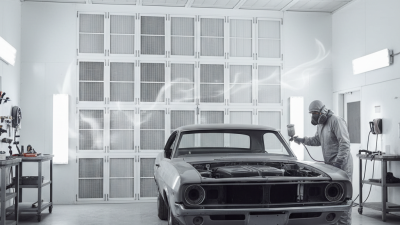
Paint Stop works by creating a controlled environment that minimizes overspray and waste. It focuses on capturing excess paint, leading to cost savings and environmental benefits. Using advanced filtration systems, it ensures that the air remains clean and free of particulate matter.
However, not all applications are seamless. Some users report that adapting to the Paint Stop technology can have a learning curve. Inconsistent results may occur if not executed properly. The goal is to improve, but every new technology brings its challenges. Understanding Paint Stop better can help improve these outcomes while maximizing efficiency in painting processes.

What is Paint Stop?
Paint Stop is an innovative solution designed to manage paint applications in various settings. It serves as a tool to prevent overspray and minimize waste. This method is especially useful in automotive painting, home renovations, and art projects. By containing paint within designated areas, users can achieve cleaner results. This efficiency is beneficial for both the environment and the wallet.
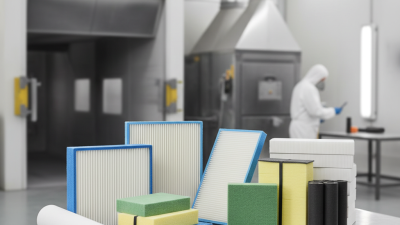
Understanding how Paint Stop works is crucial. Essentially, it creates barriers that absorb excess paint. This prevents unwanted dispersion onto unwanted surfaces. The material used is often porous but sturdy. It allows for the airflow needed during painting while capturing paint particles effectively. By providing this controlled environment, users can focus better and reduce clean-up time. However, it’s important to check the material for wear and tear regularly. This ensures continued effectiveness, as neglecting maintenance can lead to subpar results. Such careful attention to detail is vital for achieving a high-quality finish.
The History and Development of Paint Stop Technology
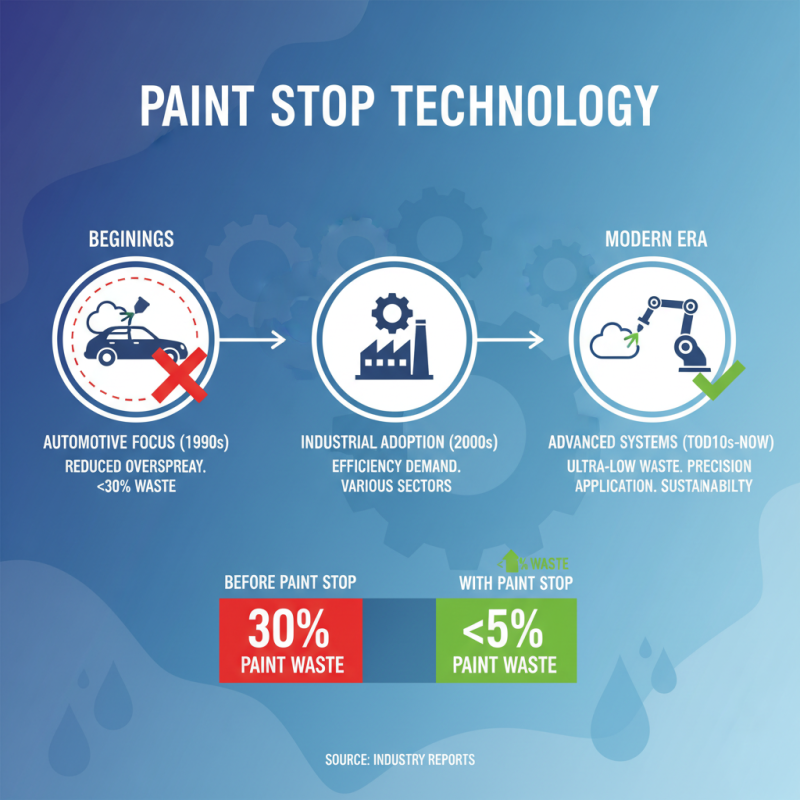
Paint Stop technology has evolved significantly since its inception. Initially developed for automotive paint applications, it was created to minimize overspray and waste. Reports indicate that before Paint Stop, nearly 30% of paint was wasted during application. As industries progressed, the need for efficient systems became apparent.
The initial designs were simple filters, but they quickly advanced. New materials and techniques led to improved absorption and filtration. According to a study by the Environmental Protection Agency, effective paint booth systems can reduce volatile organic compounds (VOCs) by up to 90%. This reduction marks a significant step in promoting safer working environments.
However, challenges remain. Many facilities still struggle with maintenance and proper use of these systems. Some reports suggest that up to 40% of users do not follow best practices. This oversight can lead to increased emissions and reduced efficiency. Industry professionals recognize the necessity for continuous training and awareness. Embracing new technology is essential, but so is education on its proper use.
How Paint Stop Works: The Science Behind the Process
Paint Stop is a revolutionary process that targets paint particles effectively. It's designed for water-based coatings. The process relies on physical properties of paint. When spray painting occurs, particles can become airborne. This can lead to overspray and contamination. Paint Stop captures these particles, improving air quality. Research shows that proper particle management can reduce overspray by up to 90%.
The science behind Paint Stop is fascinating. It utilizes filtration systems that work at a molecular level. These systems create a barrier that attracts paint particles. This interaction is often electrostatic. By understanding the size and behavior of paint particles, engineers can design more effective systems. Studies reveal that traditional methods fail to capture a significant portion of these particles. With Paint Stop, the efficiency increases considerably.
However, the process is not without its flaws. Some areas show only a partial reduction in contamination. In certain conditions, the systems may struggle with larger paint particles. Regular maintenance is crucial for optimal performance. Monitoring helps ensure systems do not become saturated. This highlights the need for ongoing innovation and adaptation in the field. Balancing effectiveness and efficiency remains a constant challenge.
What is Paint Stop and How Does it Work?
This chart represents the efficiency of the Paint Stop process in various applications. The data compares the reduction of paint waste and VOC emissions across different industries utilizing Paint Stop technology.
Applications of Paint Stop in Various Industries
Paint Stop technology has found applications across various industries, enhancing paint processes and improving efficiency. In automotive manufacturing, it is crucial. It controls overspray and ensures a cleaner environment for painting vehicles. This reduces wasted materials and lowers cleanup efforts.
In aerospace, Paint Stop also plays a role. It protects delicate parts from contamination during painting. This is vital because even small particles can affect performance. The precision required in aerospace means any disruption can lead to costly setbacks. Companies need to reflect on their processes and find ways to minimize risks.
The furniture industry utilizes Paint Stop to manage color application. This helps create a smooth finish on surfaces. Consider how much time is spent on finishing—even small inefficiencies can add up. Businesses often find they need to reassess their methods to streamline production. Ultimately, Paint Stop’s versatility shows its potential in improving paint processes across different sectors.
Benefits and Limitations of Using Paint Stop
Paint Stop technology offers several benefits for industries that require high-quality finishes. Utilizing a filtration system, it captures overspray efficiently. According to the Environmental Protection Agency (EPA), industries that implement such systems can reduce paint waste by up to 80%. This creates not only a cleaner work environment but also a decrease in operational costs for paint materials.
However, there are limitations to consider. Initial installation and maintenance can be costly. Also, not all types of paints are compatible with Paint Stop systems. For instance, water-based and certain specialty coatings may require modifications. A report from the National Institute of Standards and Technology indicates that while the long-term benefits are clear, businesses must invest wisely.
Furthermore, some users report that the efficiency of Paint Stop can decrease over time. Regular maintenance is crucial to ensure optimum performance. Without it, the system may not filter correctly, leading to increased costs and wasted materials. Balancing these aspects is essential for industries looking to adopt this technology effectively.