Top 10 Spray Booth Exhaust Filters You Should Consider
When it comes to maintaining a safe and efficient spray booth, one essential component is the Spray Booth Exhaust Filters. These filters play a crucial role in trapping harmful particles and ensuring cleaner air. Choosing the right spray booth exhaust filter can be daunting. Several options are available, each with its unique features and advantages.
It is vital to understand the significance of high-quality filters. They not only protect worker health but also enhance paint finish quality. Poor choices can lead to overspray issues and increased maintenance. With numerous products on the market, how do you find the best ones? Our list covers ten standout Spray Booth Exhaust Filters that deliver reliable performance.
While selecting filters, consider specific factors like efficiency, durability, and compatibility. Some options may fit your needs perfectly, while others might not. The wrong choice could lead to frequent replacements and increased costs. As you navigate through these selections, the goal remains clear: to create a safer and more efficient workspace.
Understanding the Importance of Spray Booth Exhaust Filters in Painting Industry
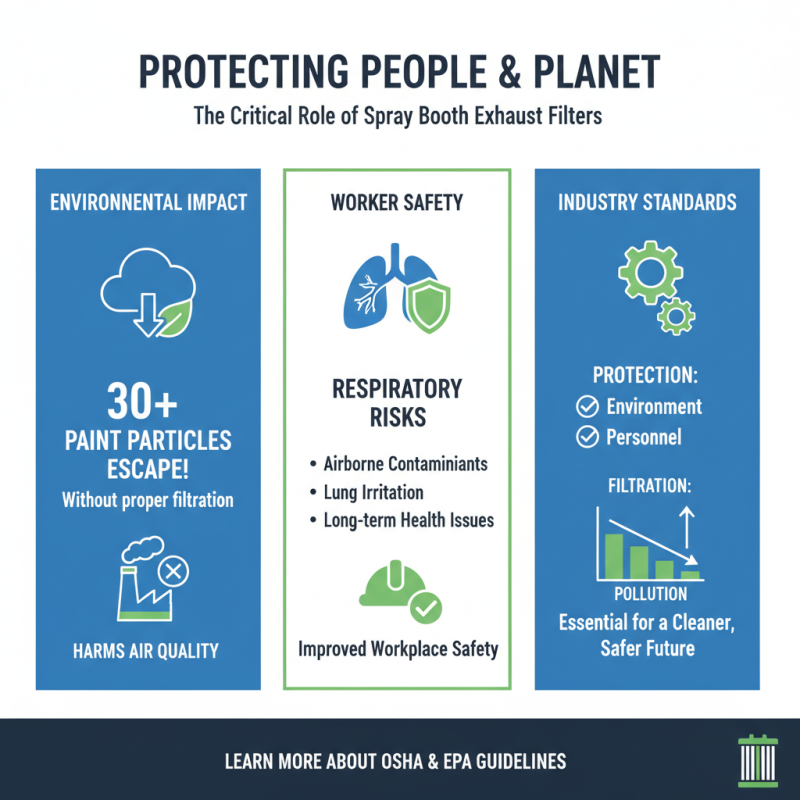
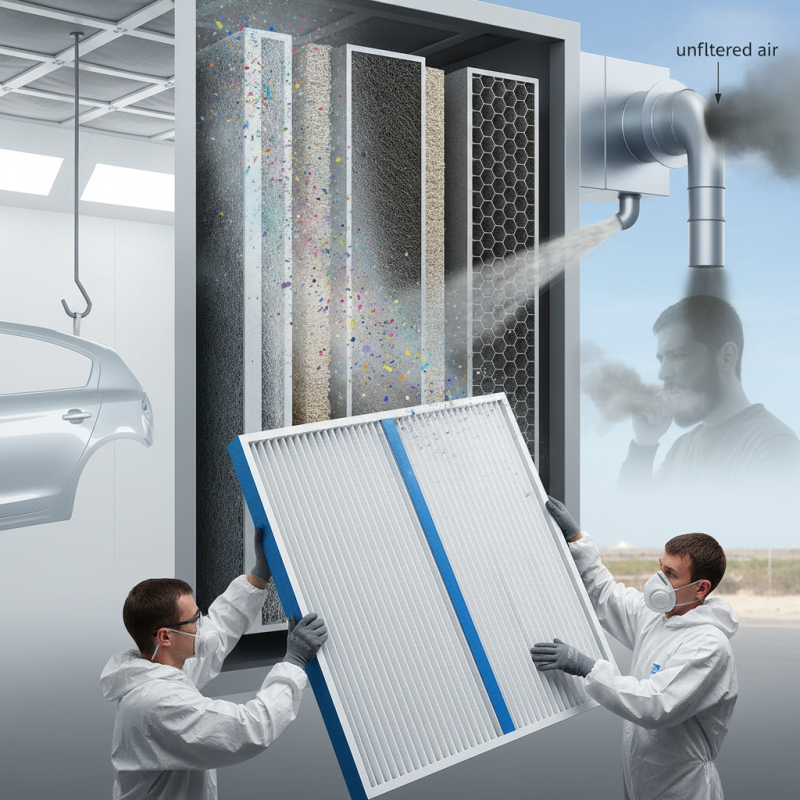
Spray booth exhaust filters play a critical role in the painting industry. They protect both the environment and the workers inside the facility. According to industry reports, over 30% of paint particles can escape into the air if proper filtration is not in place. This not only harms air quality but also poses health risks. Airborne contaminants can lead to respiratory problems for workers, heightening the debate on workplace safety measures.
The efficiency of spray booth exhaust filters affects paint application and overall project quality. Ineffective filters can result in uneven finishes and increased material waste. Recent studies indicate that maintaining high-quality filters can improve paint transfer efficiency by up to 25%. Regular replacement and maintenance of these filters are essential; however, many facilities still overlook this. A simple yet crucial aspect should never be neglected—the condition of your exhaust filters truly matters.
The painting process generates volatile organic compounds (VOCs), which can harm both human health and the environment. Regulations are becoming stricter, driving the need for compliance in the industry. Not all facilities are adapting as quickly as necessary. Awareness regarding the significance of effective filtration systems is lacking. Addressing this gap could lead to safer workplaces and improve overall operational efficiency.
Key Features to Look for in High-Quality Spray Booth Exhaust Filters
When selecting a spray booth exhaust filter, consider its efficiency. A high-quality filter captures overspray and particulate matter effectively. Look for filters with a high dust-holding capacity. This feature ensures long-lasting performance and reduces frequent replacements. A well-designed filter should also facilitate easy cleaning and maintenance, saving both time and resources.
Material quality matters significantly. Filters made from synthetic fibers often provide better airflow and durability. They resist moisture and make maintenance more manageable. Check for filters that meet industry standards. Certifications can be a reliable indicator of performance and safety.
Noise levels can also affect the working environment. Some filters operate silently, promoting a better workspace. Ensure the filters you consider have a good balance between filtration efficiency and sound output. Remember, an informed choice supports a safer and more productive spray booth. Reflect on your specific needs before making a selection.
Top 10 Spray Booth Exhaust Filters You Should Consider
| Filter Type |
Efficiency Rating |
Material |
Dust Holding Capacity |
Lifespan |
| HEPA Filter |
99.97% |
Glass Fiber |
High |
12 months |
| Carbon Filter |
85% |
Activated Carbon |
Medium |
6 months |
| Polyester Filter |
95% |
Polyester |
Medium |
9 months |
| Pre-Filter |
80% |
Synthetic Fiber |
Low |
3 months |
| Electrostatic Filter |
99% |
Electrostatic Material |
High |
12 months |
| Metal Mesh Filter |
75% |
Metal |
Very High |
Indefinite (Washable) |
| Foam Filter |
90% |
Polyurethane |
Medium |
6 months |
| Disposable Filter |
85% |
Paper / Fiber |
Low |
1 month |
| Baffle Filter |
95% |
Aluminum |
High |
Indefinite (Washable) |
| High Efficiency Filter |
99.9% |
Nano-fiber |
Very High |
12 months |
Top Manufacturers of Spray Booth Exhaust Filters and Their Market Shares
In the spray booth exhaust filter market, several manufacturers have carved out significant shares due to their innovative technologies and reliability. According to industry reports, the global market for spray booth exhaust filters is projected to reach approximately $1.5 billion by 2026, reflecting a compound annual growth rate (CAGR) of about 6.7%. This growth is driven by stricter environmental regulations and the rising demand for efficient particulate filtration.
Leading manufacturers dominate with advanced filter media that improve efficiency. For instance, filter types such as HEPA and activated carbon filters are gaining popularity for their ability to capture fine particulate matter effectively. Industry analyses suggest that around 30% of the market is held by manufacturers specializing in high-efficiency models. It’s crucial for buyers to prioritize filters that meet or exceed safety standards to ensure optimal performance in spray booths.
Tip: Always verify the filter's MERV rating as it indicates efficiency levels.
Consumers often overlook the maintenance aspect. Regular cleaning and timely replacement of filters can significantly extend their lifespans, which is vital for maintaining air quality. Filters that are not replaced can lead to reduced airflow and efficiency, ultimately hurting workplace safety.
Tip: Keep a maintenance log for tracking filter performance and replacement schedules.
Performance Metrics: Evaluating the Efficiency of Exhaust Filters
When evaluating exhaust filters for spray booths, performance metrics matter significantly. Efficiency is one primary metric. High-efficiency filters capture more particles, which is crucial for maintaining air quality. Consider the filter's MERV rating, which indicates its ability to trap small particles. A higher MERV rating usually means better filtration. However, high-rated filters may also restrict airflow, leading to inadequate ventilation. Balancing these factors is essential.
Another key metric is the pressure drop across the filter. A significant pressure drop can reduce airflow and increase energy consumption. Regular monitoring can help ensure the filter is functioning optimally. It's vital to assess the lifespan of filters too. Filters with shorter service lives may seem cheaper upfront but lead to higher long-term costs due to frequent replacements.
Lastly, consider the material used in the filter construction. Some materials are more durable and effective than others. Always reflect on the suitability of the filter for your specific spray booth conditions. Not all filters perform well under different operational settings. Each booth has unique characteristics that impact filter performance. Understanding these details can lead to more informed decisions about your exhaust filter choices.
Latest Technological Innovations in Spray Booth Exhaust Filter Design
Recent advancements in spray booth exhaust filter design have transformed the industry. These filters now utilize innovative materials that enhance particle capture efficiency. New synthetic fibers can trap smaller particles, ensuring cleaner air and safer working conditions. This shift toward high-performance materials reflects a growing awareness of health and safety standards.
Another notable innovation is the integration of smart technology. Some exhaust filters come with sensors that monitor air quality in real time. This allows for proactive maintenance and ensures filters are operating effectively. However, the reliance on technology can present challenges. Cost implications for smaller operations may be prohibitive, and training staff to understand these systems is essential.
Design improvements also focus on ease of use and efficiency. Filters are now easier to install and replace, saving time and reducing downtime. Despite these advances, companies should continuously evaluate their choices. What works today may not suit future needs. Contextual factors like the type of paint used and workshop size can impact performance. Regular assessments will help maintain optimal performance levels.
Top 10 Spray Booth Exhaust Filters - Performance Comparison