Top 10 Ceiling Air Filters for Effective Indoor Air Quality?
Indoor air quality is a crucial concern for many households and workplaces. One effective solution is the implementation of Ceiling Air Filters. According to Dr. Emily Tran, an expert in air quality management, “Ceiling Air Filters can significantly reduce airborne pollutants.” This statement underscores the importance of these filters in creating healthier indoor environments.
Ceiling Air Filters work by trapping dust, allergens, and other irritants before they can circulate in the air. Many users have reported noticeable improvements in their respiratory health after installing these devices. However, not all filters are created equal. It's essential to choose the right one for your specific needs.
Some consumers express uncertainty about the effectiveness of these filters. There are various brands and technologies available, leading to confusion. The reality is, selecting a high-quality Ceiling Air Filter involves careful consideration. It’s crucial to assess both the specifications and the user reviews for better decision-making. Investing in a good filter can lead to long-term benefits for air quality and overall health.
What Are Ceiling Air Filters and How Do They Work?
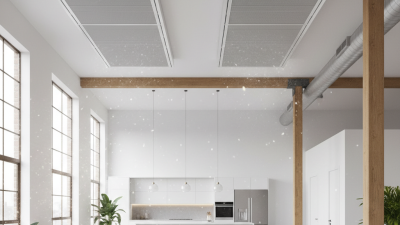
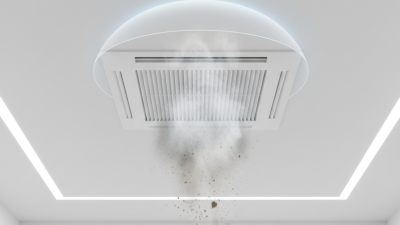
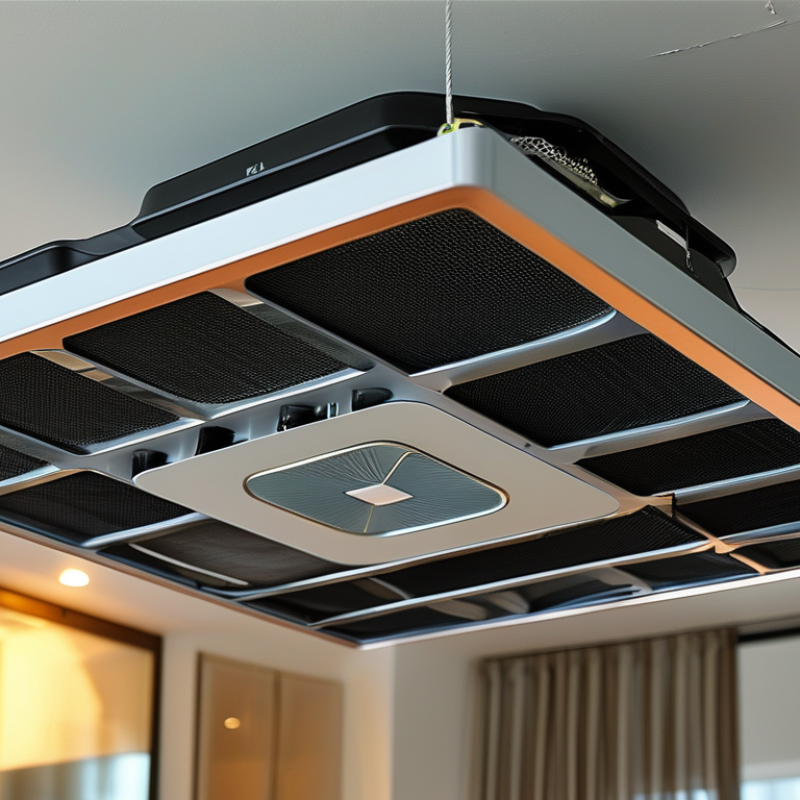
Ceiling air filters play a crucial role in maintaining indoor air quality. They are installed in the ceiling, often as part of the HVAC system. Their primary function is to trap airborne particles, such as dust, pollen, and pet dander. By doing so, they help improve the air we breathe every day. When filters are effective, they reduce allergens and create a healthier environment.
These filters work by using a series of layers that allow air to circulate while capturing contaminants. Over time, they can become clogged with debris, which reduces their effectiveness. Regular maintenance is necessary to ensure optimal performance. It’s worth reflecting on how often we overlook these essential components. A dirty filter can lead to poor air quality and increased health risks.
Installing ceiling air filters can vary in complexity. Proper installation is key to maximizing their benefits. Sometimes, the placement may not be ideal, leading to air pockets where contaminants linger. It's vital to evaluate the filter's location and airflow dynamics. This attention to detail can make a significant difference in the overall air quality of your space. Regular inspections and timely replacements can enhance efficiency and air clarity.
Benefits of Using Ceiling Air Filters for Indoor Air Quality
Ceiling air filters offer a unique solution for enhancing indoor air quality. They are discreetly mounted on ceilings, making them ideal for spaces where floor space is limited. These filters trap dust, allergens, and pollutants before they circulate in the air you breathe. They also help reduce odors, creating a fresher environment. The convenience of ceiling installation means they can effectively cover larger areas compared to traditional filters.
Beyond functionality, there are significant health benefits. Clean air reduces the risk of respiratory issues and allergies. For individuals sensitive to airborne particles, ceiling filters can make a notable difference. They provide a continuous flow of filtered air, enhancing comfort levels in homes and offices. However, proper maintenance is crucial. Neglected filters can become less effective and may even contribute to pollution. Regular cleaning and replacement are essential for optimal performance. Install these filters wisely, and prioritize health in your indoor spaces.
Key Features to Look for in Ceiling Air Filters
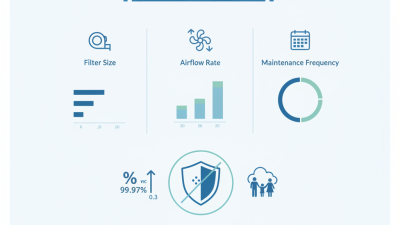
When selecting ceiling air filters, focusing on key features can significantly enhance indoor air quality. One primary aspect is the filter's MERV rating, which indicates its efficiency in capturing airborne particles. A higher MERV rating, typically from 8 to 13, can trap dust, pollen, mold spores, and pet dander. Studies show that filters with a MERV rating of 11 or higher can remove up to 95% of particles, improving overall air cleanliness.
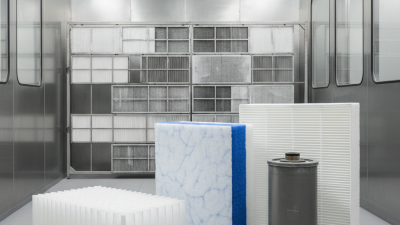
Another vital feature is the filter's lifespan. Many ceilings air filters can last 3 to 6 months before needing replacement. A longer lifespan not only saves money but also ensures consistent air quality. Additionally, look for filters with pleated designs. Pleated filters provide more surface area for trapping particles, increasing their efficiency. Some data suggests that pleated filters can outperform standard filters by up to 50%.
Noise levels play a role in comfort. Models designed for quiet operation help maintain a serene environment while effectively filtering the air. Not every ceiling air filter achieves this balance. Regular maintenance is crucial too. Over time, even the best filters can become clogged, reducing their performance. Monitoring air quality and replacing filters when needed can avoid this pitfall. Good indoor air quality is essential for health and productivity. Keeping track of these features may require some effort but yields significant benefits.
Top 10 Ceiling Air Filters and Their Specifications
Indoor air quality is crucial for health. The right ceiling air filter can significantly improve it. Studies indicate that effective air filtration reduces airborne pollutants by up to 90%. Particulate matter, allergens, and chemical vapors are common indoor pollutants. Choosing the best filter requires understanding specifications such as MERV rating, airflow resistance, and longevity.
Filters with a higher MERV rating trap smaller particles. However, high MERV filters may restrict airflow in some systems. This can lead to decreased HVAC efficiency. It's essential to strike a balance. Look for filters that match your system's specifications while offering strong filtration. For best results, consider checking the filter every one to three months and replace as needed.
Tip: Regular maintenance of your air filter is vital. Clean filters allow efficient airflow, enhancing overall air quality. Also, ensure your home is well-ventilated. This helps dilute indoor pollutants, making the air healthier. Consider investing in a humidity monitor; maintaining humidity between 30-50% can reduce mold and dust mites. These steps create a healthier indoor environment for you and your family.
Installation and Maintenance Tips for Ceiling Air Filters
Installing ceiling air filters can significantly improve indoor air quality. Proper installation ensures that the filter works efficiently.
Begin by assessing the dimensions of the area. Measure your ceiling space carefully. Select a filter that fits well and does not disrupt airflow.
Maintenance is crucial for ongoing performance. Regularly inspect the filters for dust and debris buildup. It’s advisable to change filters every three to six months.
However, check more frequently in high-usage areas. Mark your calendar to remind you of replacement dates. Clean the surrounding area to prevent contamination.
Mistakes can happen during installation or maintenance. Misalignment may occur if measurements are off. Check twice before securing the filter.
Skipping maintenance can lead to reduced airflow and lower indoor air quality. Be proactive and take the time to monitor filter conditions.
Addressing issues promptly ensures your air remains clean and healthy.