Top 10 Ceiling Air Filters for Improved Indoor Air Quality?
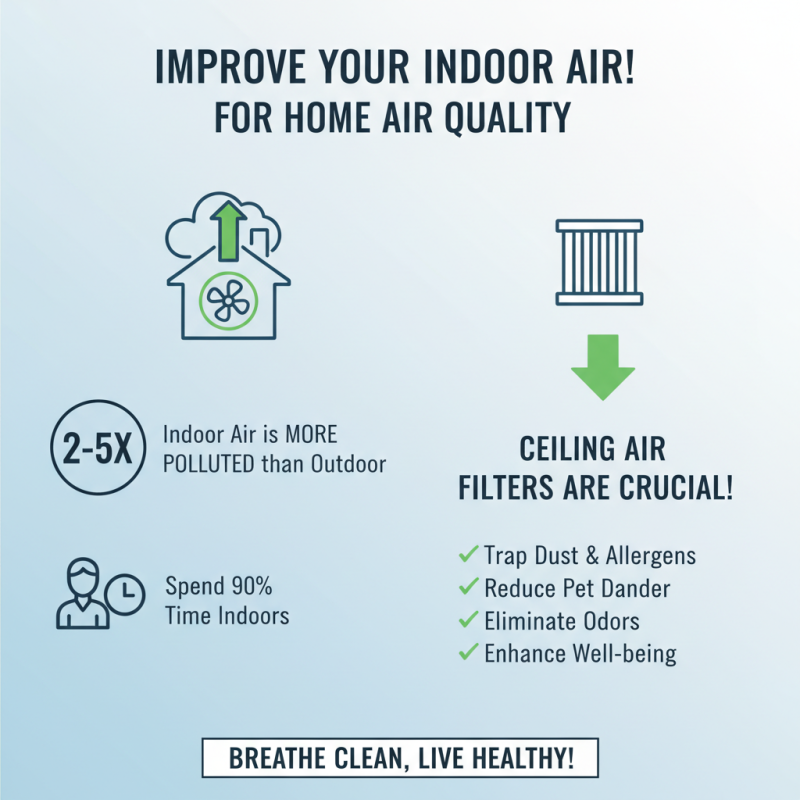
Indoor air quality is a critical concern for health and well-being. According to the World Health Organization, poor air quality is linked to various health issues, including respiratory diseases and allergies. As people spend about 90% of their time indoors, implementing solutions becomes essential. This is where the Ceiling Air Filter comes into play. It serves as an effective means to remove pollutants from the air.
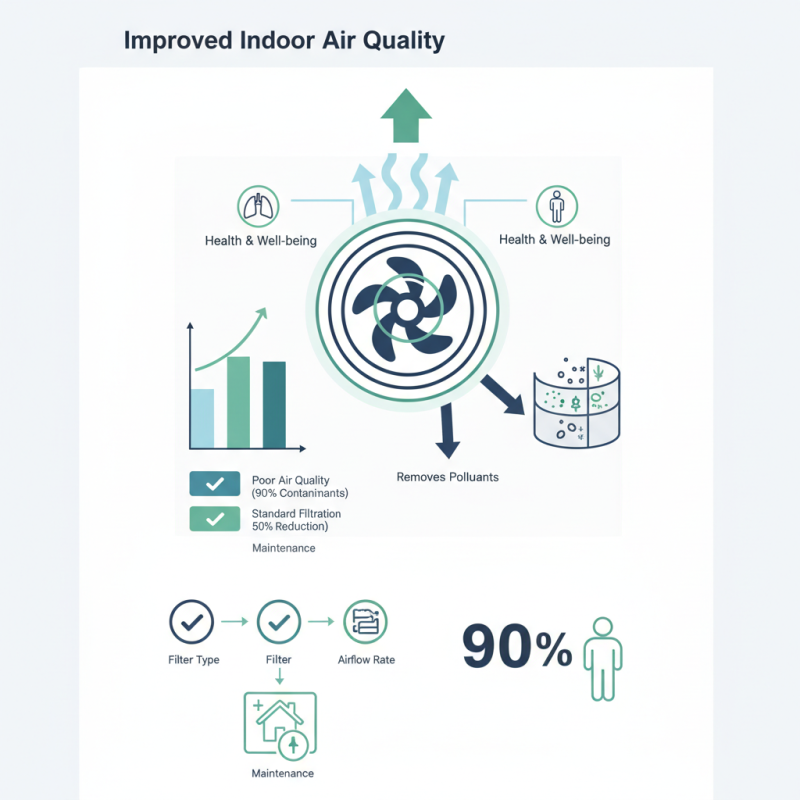
Research shows that ceiling-mounted ventilation systems can dramatically improve air quality. They are designed to capture dust, allergens, and even mold spores. A study by ASHRAE found that proper filtration can reduce airborne contaminants by up to 90%. However, not all filters are created equal. Some ceiling air filters struggle with efficiency and may contribute to poor air quality.
Selecting the right Ceiling Air Filter requires understanding specific needs. Factors such as filter type, airflow rate, and maintenance frequency should be considered. Many consumers overlook these aspects, leading to unsatisfactory results. Investing in high-quality filters can make a significant difference. With increased awareness of indoor air quality, prioritizing the right ceiling filter is crucial for creating a healthier environment.
Understanding Ceiling Air Filters and Their Importance
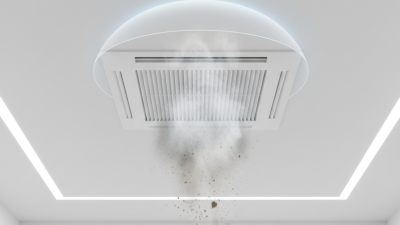
Ceiling air filters play a crucial role in maintaining indoor air quality. They help to trap dust, allergens, and pollutants that circulate in the air. By filtering these harmful particles, they contribute to a healthier living environment. Many people underestimate their importance, thinking that general ventilation is enough. However, without proper filtration, harmful substances remain in the air.
Using ceiling air filters can significantly reduce allergies and respiratory issues. They work efficiently in homes and offices alike. You can experience noticeable improvements in air clarity. Additionally, regular maintenance is essential. Dirty filters can clog and decrease efficiency, which can be counterproductive. It's also worth acknowledging that some filters may not catch all particles. Users must consider varying air quality based on location and pollution levels.
Investing in a quality ceiling air filter can be a step towards better health. However, one should choose filters suitable for their specific needs and air quality challenges. Not all filters provide the same level of filtration. Taking time to research and understand the right type is vital for optimal results. Only then can the benefits be fully realized.
Top 10 Ceiling Air Filters for Improved Indoor Air Quality
Key Features to Look for in Ceiling Air Filters
Choosing the right ceiling air filter is essential for better indoor air quality. Look for filters with high Minimum Efficiency Reporting Value (MERV) ratings. A MERV of 8 to 13 can effectively trap allergens like dust and pollen. According to the Environmental Protection Agency (EPA), improving indoor air quality can significantly reduce respiratory issues.
Consider filters with activated carbon options. They can absorb odors and volatile organic compounds (VOCs) that regular filters miss. Filters with HEPA (High-Efficiency Particulate Air) capabilities are also worth investigating. HEPA filters capture at least 99.97% of particles as small as 0.3 microns. Regular maintenance is critical. Dirty filters lose efficiency quickly, up to 50% in a month of use.
Tips: Always check the filter size before purchase to ensure a proper fit. Regularly monitor the condition of your filter. Consider scheduling replacements every three months. Consider potential restrictions in your home’s airflow when choosing a high-density filter. Be aware that while a higher MERV rating is beneficial, it may also impact airflow if not matched to your system's capability.
Top 10 Recommended Ceiling Air Filters for Home Use
When it comes to air quality in our homes, ceiling air filters play an essential role. Many households overlook this critical factor. Studies indicate that indoor air can be 2 to 5 times more polluted than outdoor air. This is alarming, as people spend about 90% of their time indoors. Choosing the right ceiling air filter can significantly enhance the air quality.
One common misconception is that air filters only capture dust. In reality, a good ceiling air filter can trap allergens, bacteria, and even volatile organic compounds (VOCs). According to the Environmental Protection Agency, inadequate ventilation can lead to an increased concentration of these harmful particles. Selecting filters with a high Minimum Efficiency Reporting Value (MERV) rating is advisable. These filters can effectively remove smaller particles from the air, improving respiratory health.
However, not all ceiling air filters are perfect. Some filters may restrict airflow, causing your HVAC system to work harder. This can lead to higher energy bills and a shorter lifespan for your system. Regular maintenance is crucial. Replace or clean your filters according to the manufacturer’s recommendations to maintain optimal performance. Ignoring this can lead to diminished air quality and increased health risks over time.
Maintaining and Replacing Ceiling Air Filters for Optimal Performance
Ceiling air filters play a crucial role in maintaining indoor air quality. Regular maintenance and timely replacements are essential for optimal performance. According to the American Society of Heating, Refrigerating and Air-Conditioning Engineers (ASHRAE), proper air filtration can improve overall air quality by up to 85%. This statistic underscores the importance of keeping filters clean and functional.
One common mistake is delaying filter replacements. Over time, filters accumulate dust, pollen, and other allergens. This buildup can hinder airflow and may lead to respiratory issues. It is recommended to check filters every month and replace them every three months or sooner if they appear dirty.
Tip: Consider marking your calendar for replacement reminders. Implementing a schedule can help you avoid forgotten maintenance sessions. Indoor air quality can vary dramatically based on filter condition. Some experts suggest using filters with a higher Minimum Efficiency Reporting Value (MERV) rating for better particle removal.
It is also essential to ensure that the installed filters fit correctly. An improper fit can lead to air bypassing the filter, resulting in an ineffective filtration process. Evaluating how well your current filters perform can be eye-opening. Don't settle for mediocre air quality. Regularly reassess your air filtration strategy to ensure a healthier living environment.
Comparing Ceiling Air Filters to Other Air Purification Systems
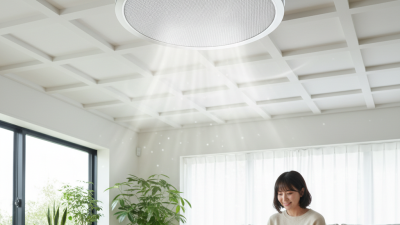
Ceiling air filters are gaining popularity for several reasons. They install directly into the ceiling, maximizing space and maintaining aesthetics. Unlike traditional air purifiers, they don't take up floor space. This makes them ideal for small rooms or office areas. Beyond their design, they can effectively trap dust and allergens circulating in the air.
When comparing ceiling air filters to other air purification systems, differences become apparent. Portable purifiers require regular maintenance and filter changes. Ceiling-mounted systems often provide a more stable, long-term solution. However, they might not be suitable for all types of pollutants. Some airborne irritants may slip through.
Consider also the performance of each system. Ceiling filters can struggle with larger particles, which may lead to lingering issues. Portable units often offer a more robust solution for specific needs, but they come with their own drawbacks, such as noise levels and inconvenience. It’s crucial to evaluate the specific air quality challenges you face in your space. Balancing aesthetics, efficiency, and effectiveness can be quite a task.