Top Industrial Paint Booth Filters for Maximum Efficiency and Quality?
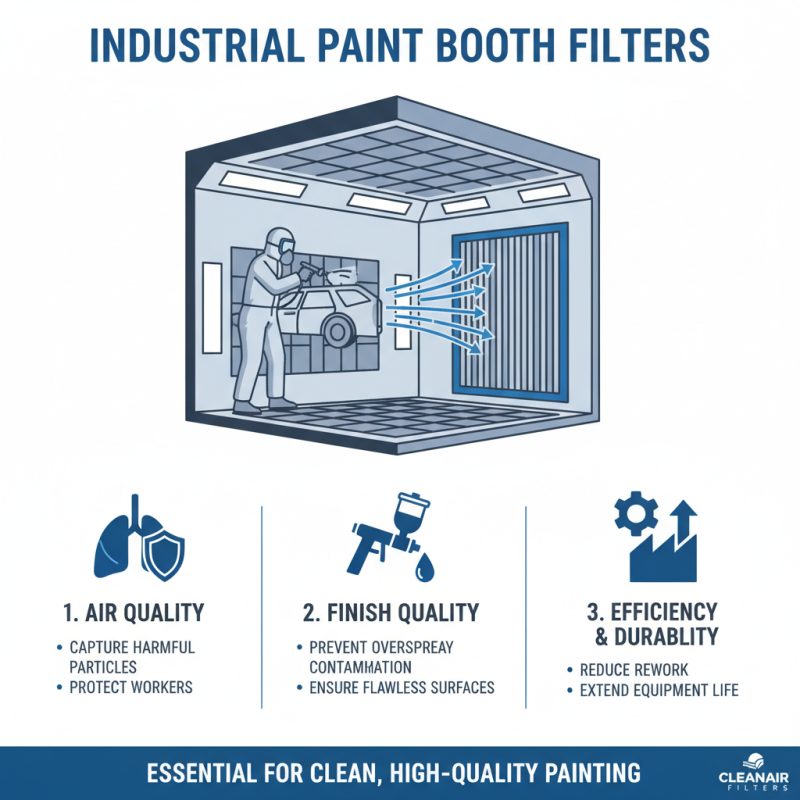
Industrial Paint Booth Filters play a crucial role in achieving high efficiency and quality in painting processes. These filters are designed to capture dust, debris, and harmful particles, ensuring that the air remains clean. A well-functioning filter not only protects the environment but also enhances the finish of painted products.
When selecting the right Industrial Paint Booth Filters, businesses must consider various factors. Efficiency is key; choosing filters that last longer and require less maintenance can save costs. Quality filters prevent contamination, which can lead to costly rework and wasted materials. However, many companies overlook the importance of regular maintenance, leading to decreased performance.
Understanding different types of filters, such as synthetic or fiberglass, can make a significant difference. Each type offers distinct advantages and drawbacks. Furthermore, the choice of filters might depend on the specific requirements of the painting process involved. In this complex landscape, it’s essential to reflect on which options best suit individual needs while also being aware of potential environmental impacts.
Understanding the Importance of Industrial Paint Booth Filters
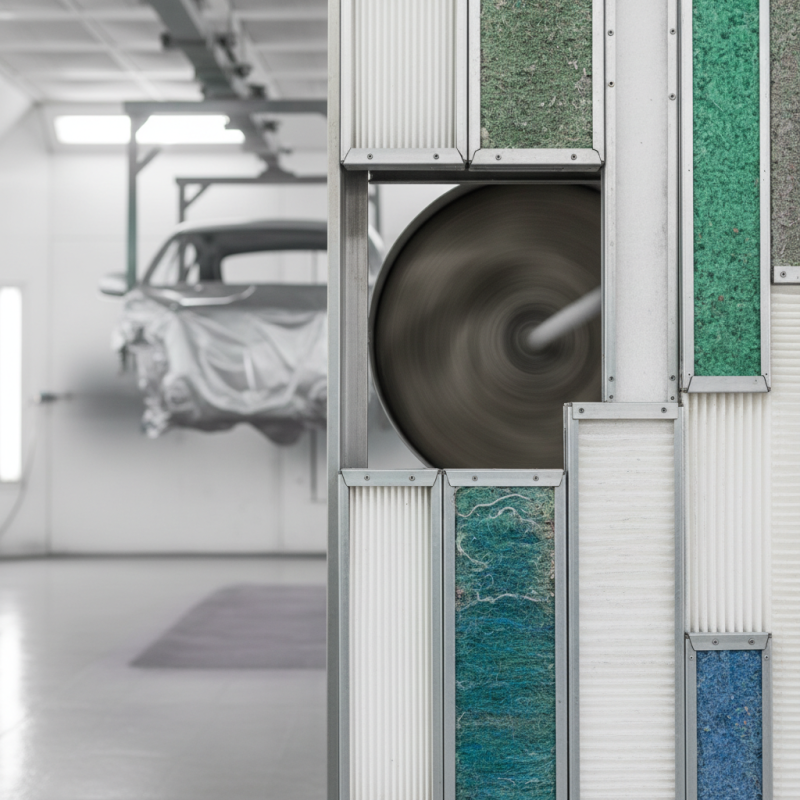
Industrial paint booth filters play a critical role in maintaining air quality during painting processes. They capture harmful particles and overspray, ensuring a clean work environment. This is essential to deliver high-quality finishes on various surfaces. Without these filters, paint particles can contaminate the air and settle on finished products, affecting their appearance and durability.
Choosing the right filter is not always straightforward. Many facilities struggle to balance cost with efficiency. Some filters may require frequent replacement, which can lead to increased operational costs. However, investing in high-quality filters often pays off. They lead to improved air circulation and better overall performance of the paint booth.
Regular maintenance is crucial. Dirty filters can restrict airflow, leading to poor spray patterns. Last-minute changes to filter types can create inconsistencies in the paint application. This challenge emphasizes the need for careful planning and reflection on filtering systems. Ultimately, the choice of paint booth filters impacts both productivity and quality.
Types of Paint Booth Filters and Their Applications
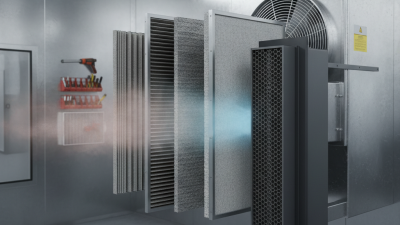
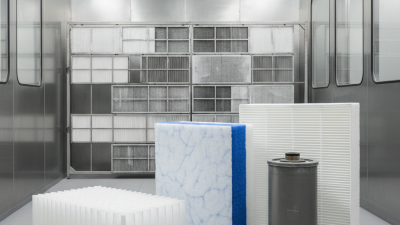
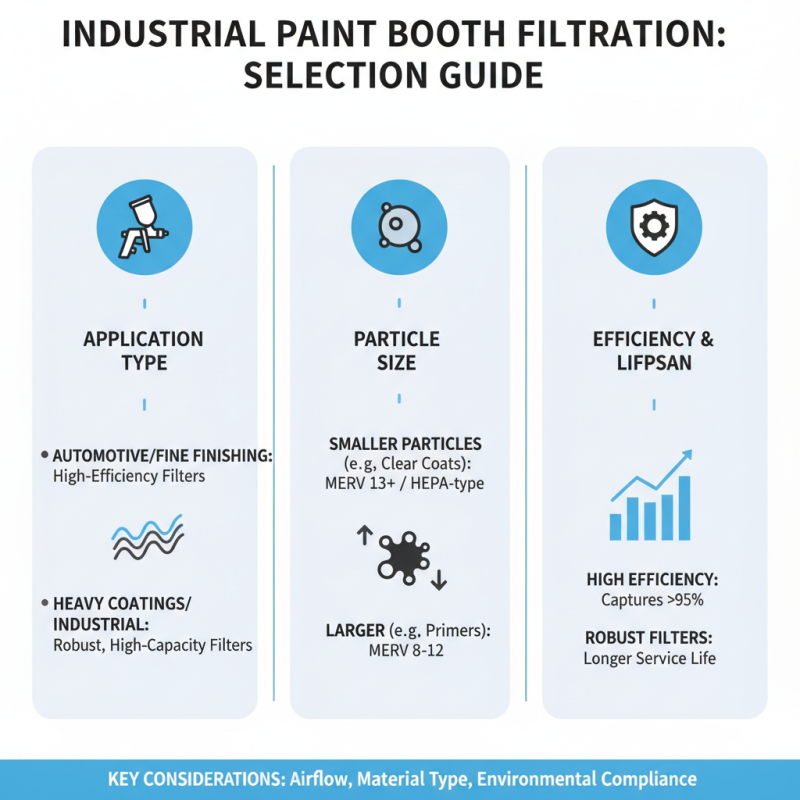
When it comes to industrial paint booth filters, understanding the types and their applications is essential. These filters are crucial for maintaining air quality and ensuring a clean workspace. There are three main types of filters: pre-filters, HEPA filters, and activated carbon filters.
Pre-filters capture larger particles before they reach the main filtration system. They help extend the life of other filters. HEPA filters are designed to trap fine particles, such as paint overspray and dust. They are vital for maintaining product quality and worker safety. Activated carbon filters, on the other hand, remove odors and volatile organic compounds (VOCs). This is especially important when dealing with solvent-based paints.
Tips: Always check the filter specifications before purchasing. Not all filters are compatible with every booth. Regularly inspect filters for signs of wear and tear. This simple step can help you avoid costly downtime. Additionally, consider your specific needs to select the right filter type. Optimize your setup by using a combination of filters for the best results. Remember, the wrong choice can impact your productivity and quality.
Top Industrial Paint Booth Filters for Maximum Efficiency and Quality
| Filter Type |
Material |
Efficiency Rating |
Common Applications |
Lifespan (Hours) |
| Dry Filters |
Synthetic Fiber |
MERV 8-12 |
Automotive, Furniture |
2000-3000 |
| Activated Carbon Filters |
Carbon Layer |
N/A |
Solvent Odor Control |
1000-1500 |
| HEPA Filters |
Glass Fiber |
99.97% @ 0.3 micron |
Industrial Painting, Pharmaceuticals |
3000-5000 |
| Electrostatic Filters |
Electrostatic Media |
MERV 13-16 |
Woodworking, Metal Finishing |
2500-4000 |
| Pleated Filters |
Polyester |
MERV 10-14 |
Paint Booths, HVAC Systems |
2000-3000 |
Factors Influencing Filter Efficiency and Quality
When operating an industrial paint booth, the quality of air filters is crucial. Various factors significantly influence filter efficiency and overall booth performance. One key aspect is the filter material. High-efficiency particulate air (HEPA) filters can capture 99.97% of particles. This is vital for maintaining air purity. Another factor is filter thickness. Thicker filters typically have more surface area, allowing for better particle capture.
Humidity is another element that can impact filter efficiency. High humidity can lead to clogs and reduced airflow. According to industry reports, maintaining optimal humidity levels (between 30%-50%) can enhance filter lifespan. Dust loading frequency also matters; overly dusty environments require more frequent filter changes to maintain effectiveness.
Tip: Regularly inspect filters for physical damage. A small tear can greatly decrease efficiency.
Preventive maintenance is essential. Over time, filters can become saturated, reducing their ability to do the job. Monitoring the pressure drop across the filter can provide insights into when to replace them. Industry experts suggest tracking this regularly to ensure consistent quality.
Tip: Document filter replacement schedules. This ensures a proactive approach rather than a reactive one.
Top Industrial Paint Booth Filters for Maximum Efficiency
Maintenance Tips for Maximizing Filter Lifespan
Maintaining industrial paint booth filters is crucial for optimal performance. Filters can quickly become clogged with particulate matter. Regular checking is essential to ensure they are functioning correctly. Cleaning can extend their life and maintain airflow. Replace filters when they show significant wear.
Pay attention to your paint booth environment. Dust and contaminants can accumulate over time. It's advisable to schedule maintenance every few weeks. Vacuuming the booth and wiping down surfaces can help. Make sure employees understand these processes. Training can lead to better outcomes.
Monitor filter indicators closely. If you're experiencing reduced air quality, it may signal a filter issue. Don't wait for total saturation. Act swiftly to prevent compromised air quality. Regular assessments can reveal underlying problems. In time, proactive care will result in improved efficiency and product quality.