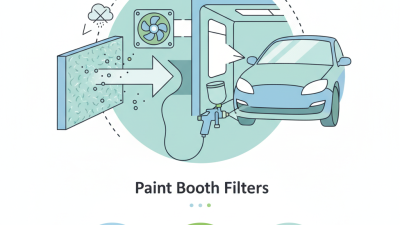
Top Industrial Paint Booth Filters for Optimal Performance and Safety?
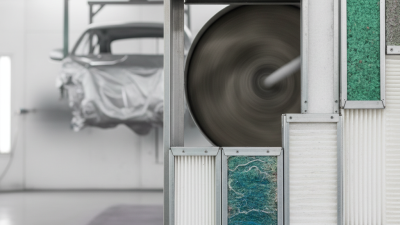
In the world of painting and coatings, the role of Industrial Paint Booth Filters cannot be overstated. These filters are essential for ensuring optimal performance and safety in the painting process. Renowned expert Michael Thompson, an engineer with over 20 years in the industry, emphasizes, "The right filter is key to a safe environment and quality finishes."
Manufacturers face challenges in selecting the best filters for their paint booths. The variety of options can be overwhelming. Each type serves a unique purpose, whether it’s catching particles or minimizing paint overspray. Effective filtering not only improves air quality but also prolongs equipment life.
Incorrectly chosen filters may lead to costly errors. An expert's insight can greatly benefit facilities striving for compliance with safety standards. Investing time to understand filter specifications is integral to achieving desired outcomes. Considerations include material, airflow, and maintenance. The journey to optimal performance with Industrial Paint Booth Filters is one of constant evaluation and reflection.
Top Types of Industrial Paint Booth Filters: Overview and Applications
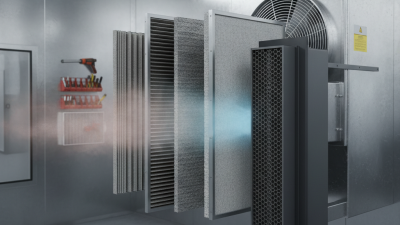
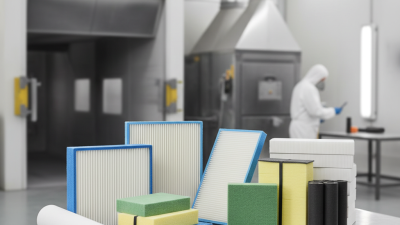
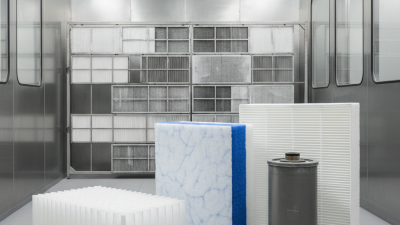
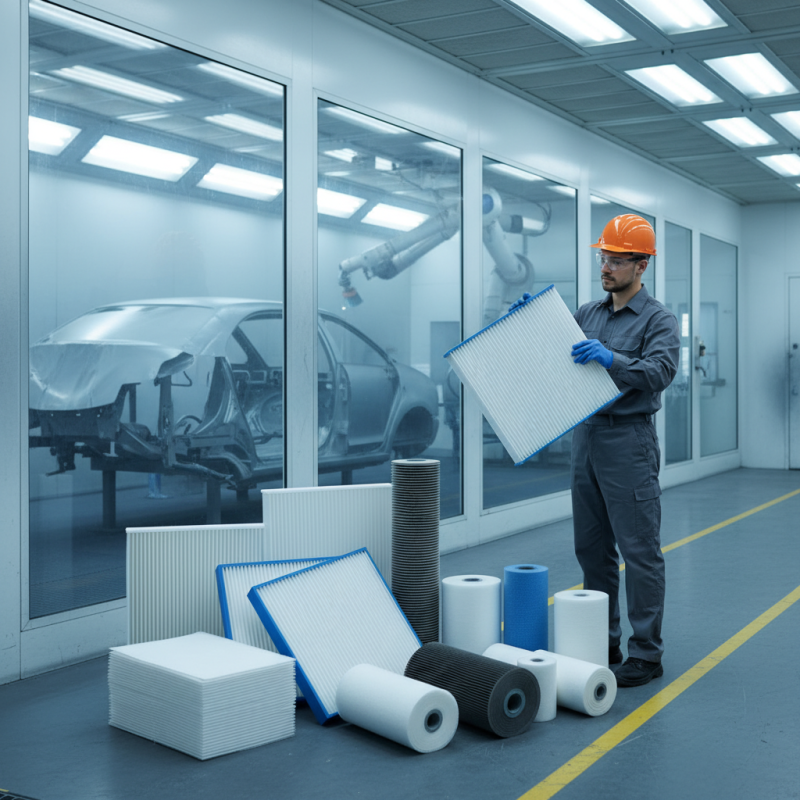
When it comes to industrial paint booths, selecting the right filters is crucial. There are various types of filters, each serving specific purposes. Common options include HEPA filters, pre-filters, and activated carbon filters. HEPA filters efficiently capture fine particles. Pre-filters can extend the life of primary filters by collecting larger debris. Activated carbon filters are essential for removing odors and volatile organic compounds (VOCs).
Choosing the right filter depends on your booth's specifics. Understand the materials being used and the level of air quality needed. A well-selected filter not only protects equipment but also enhances safety. Regular maintenance is key. A dirty filter can obstruct airflow, leading to poor performance.
Tips: Always keep a spare filter on hand. This allows for immediate replacement without downtime. Regularly check filters for wear and tear. Timely replacements can save costs in repairs and ensure optimal air quality. Remember, even with the best filters, consistent monitoring is essential. Dust, humidity, and other factors can affect filter performance. Reflect on your current system, and be open to adjustments as needed.
Key Performance Metrics for Industrial Paint Booth Filter Efficiency
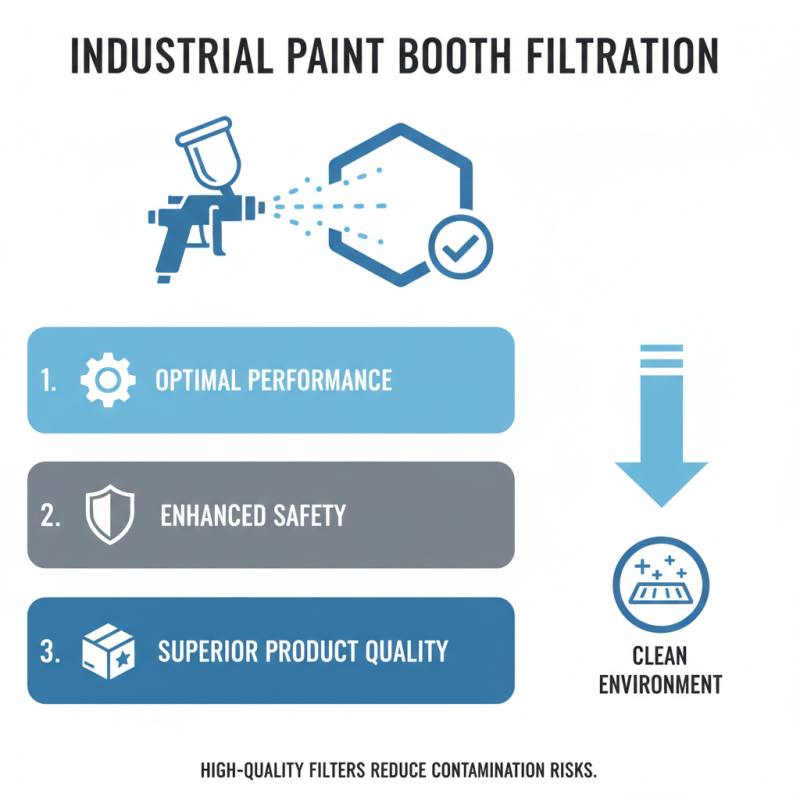
In industrial paint booths, filter efficiency is paramount. Selecting the right filters directly impacts both performance and safety. High-quality filters trap particles effectively. This reduces contamination risks. A clean environment ensures better product quality.
Key performance metrics include airflow rate and filter lifespan. Airflow should remain consistent for optimal spraying. If airflow diminishes, paint application suffers. Additionally, the filter lifespan must balance efficiency and cost. Frequent replacements can strain budgets but ignoring them might worsen air quality.
Monitoring pressure drop is also essential. A rising pressure indicates a clogged filter, which can lead to system inefficiencies. Regular inspections can help identify problems early. Some booths rely on basic indicators, which may not reveal deeper issues. Failing to upgrade monitoring tools risks overall performance. Make sure to assess these metrics continuously for best results.
Impact of Filter Material on Paint Booth Air Quality and Safety
The quality of air in paint booths heavily relies on filter material. Different materials possess unique properties, affecting how well they trap contaminants. Fiberglass filters, for instance, are often cost-effective. However, they may not capture fine particles as efficiently as other options.
Activated carbon filters can improve air quality by reducing odors and harmful vapors. Yet, they need regular replacement. Not all booths are equipped to handle this type of material effectively. Moreover, the choice of filter impacts safety. Poor air quality can lead to health issues for workers, including respiratory problems. It’s crucial to evaluate filter performance regularly.
The balance between performance and maintenance is challenging. Some operators may prioritize cost over quality. This can result in inadequate filtration, affecting air safety. It's essential to align materials with specific booth needs. Regularly assessing filter conditions can lead to safer and more efficient environments. Filters must adapt to the unique demands of each workspace for optimal results.
Regulatory Standards Governing Industrial Paint Booth Filters and Safety
When it comes to industrial paint booth filters, safety is paramount. Regulatory standards are established to ensure worker safety and environmental protection. Various organizations dictate these regulations. They require filters to trap harmful particles effectively. Compliance is necessary to maintain a safe working environment.
These standards often change. Companies must stay informed. Regular audits help identify gaps in compliance. Smaller operations may struggle with these regulations. They can find it challenging to keep up. Yet, this oversight can result in severe consequences. Fines and health risks are real possibilities.
Understanding local regulations is crucial. Different regions may have distinct requirements. Air quality standards may vary, impacting filter choices. Many operators take shortcuts, opting for cheaper solutions. This approach can jeopardize safety. A filter that isn't up to standard won't perform as needed.
Monitoring and maintaining filters is key. Regular checks ensure they are working correctly. Investing in quality filters can save many headaches later.
Maintenance Best Practices for Prolonging Filter Lifespan and Efficiency
Maintaining industrial paint booth filters is crucial for performance. Regular inspection and cleaning are vital. Dust and debris can accumulate over time, reducing airflow and efficiency. Neglected filters might lead to unsatisfactory finishes or even health hazards for workers.
To prolong filter lifespan, establish a routine. Check filters weekly. Removing the filters and cleaning them can prevent build-up. It is often easy to overlook this step, but dedication is key. Replace filters according to usage and manufacturer recommendations. Cutting corners can be tempting, but it often results in greater costs in the long run.
Remember, the location of the booth matters. If the surrounding area is prone to dust or contaminants, cleaning frequency must increase. Maintain a clean environment around the booth to enhance filter performance. Regularly train staff on the importance of these practices. An informed team can help catch issues before they escalate, ensuring better efficiency and safety.