Top 10 Industrial Paint Booth Filters for Optimal Performance?
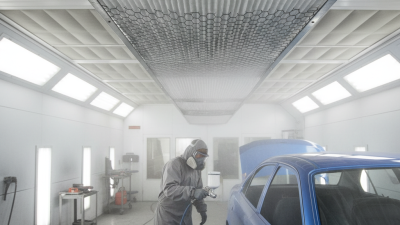
In the world of painting and finishing, "Industrial Paint Booth Filters" play a crucial role. According to Michael Thompson, a leading expert in industrial coatings, “Effective filtration is the heart of a clean paint booth.” Filters are not just accessories; they are essential for ensuring optimal performance.
Over time, manufacturers have made improvements to filter technology. However, many industries still struggle with outdated systems. Inadequate filtration can lead to poor paint finishes and increased costs. Businesses need to prioritize high-quality filters to avoid these pitfalls.
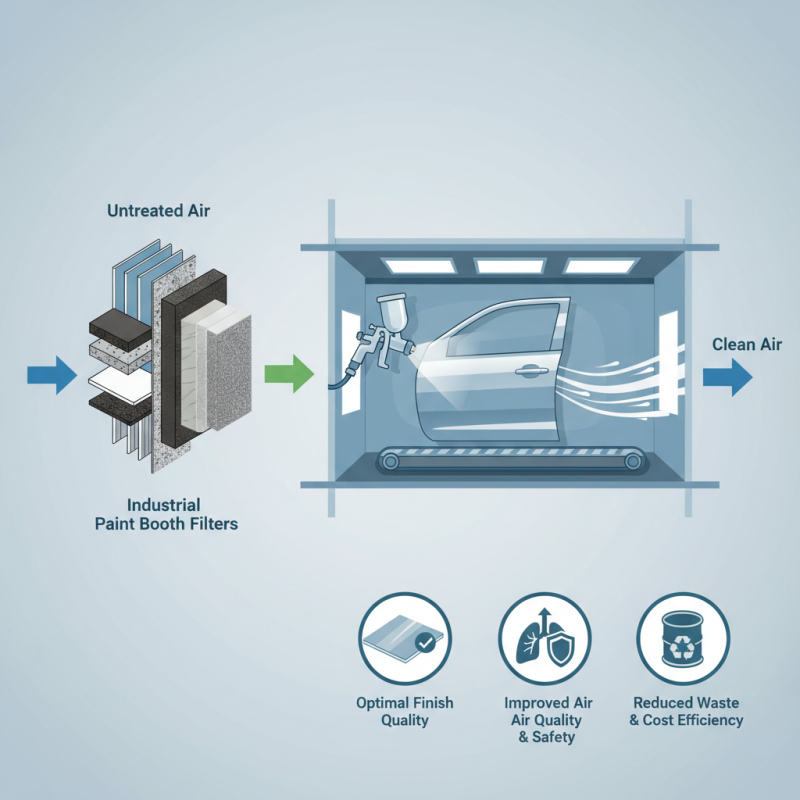
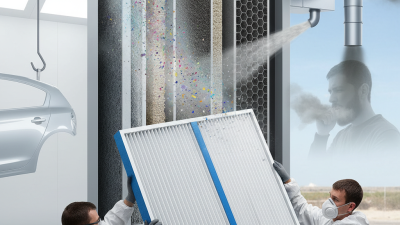
Choosing the right "Industrial Paint Booth Filters" ensures better air quality and efficiency. It can also minimize hazardous waste. A strong filtration system protects both the product and the workers. Investing in advanced filters is not just a technical choice; it reflects a commitment to quality and safety.
Understanding the Importance of Paint Booth Filters in Industry
In industrial environments, paint booth filters play a crucial role in maintaining air quality. According to the Environmental Protection Agency, roughly 40% of VOC emissions come from painting processes. Proper filtration systems can significantly reduce this pollution, making them essential not only for compliance but also for worker safety.
Many industries overlook the importance of selecting the right filter. A study by the National Institute for Occupational Safety and Health shows that insufficient filtration can lead to higher levels of airborne contaminants, impacting both health and productivity. The choice of filter material and type influences the efficiency of paint booth operations, affecting everything from spray quality to product durability.
Additionally, frequent maintenance and replacement of filters are often neglected, resulting in decreased performance. Filters that are too dirty can lead to improper airflow, creating a hazardous environment. A well-maintained system can enhance paint adhesion and reduce waste, but many facilities underestimate maintenance costs. Ultimately, understanding the significance of these filters is vital for optimal operational performance in any paint booth.
Key Factors to Consider When Choosing Industrial Paint Booth Filters
Choosing the right industrial paint booth filters is crucial for optimal performance. Filters affect air quality, production efficiency, and worker safety. One key factor to consider is the filter's efficiency rating. According to industry reports, filters rated HEPA (High Efficiency Particulate Air) can capture at least 99.97% of particles. This is vital for maintaining a dust-free environment.
Another important aspect is the type of filter material. Polyester and fiberglass filters are common. However, their lifetime varies significantly. Studies indicate that polyester filters can last up to three times longer than fiberglass. This longevity affects maintenance costs and operational downtime. Regular monitoring of filter conditions can prevent unexpected failures, ensuring consistent air quality.
Tips: Regularly check your filters for clogs. Inspect them every month for signs of saturation. Also, consider the airflow rate your booth requires. An inadequate airflow can negatively impact painting quality. Choosing the right size is equally important. An improperly sized filter may lead to inefficient paint booth operation. A small investment in quality filters can yield significant long-term savings.
Top 10 Industrial Paint Booth Filters for Optimal Performance
Top Materials Used in High-Performance Paint Booth Filters
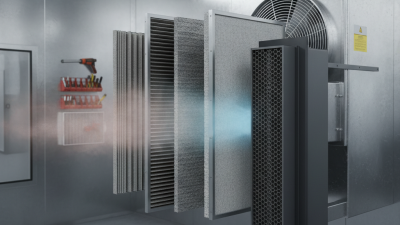
In the world of industrial paint booths, filter materials play a crucial role in air quality and equipment performance. High-performance filters typically utilize synthetic media, cellulose, and fiberglass, each with distinct benefits.
Synthetic materials are often resistant to moisture and chemicals. They provide excellent filtration efficiency, capturing fine particulates and overspray. This can lead to a cleaner working environment.
Cellulose filters, while less expensive, can struggle in humid conditions. They are biodegradable and offer decent air permeability. However, they require frequent replacements to maintain efficacy.
Fiberglass filters are durable and can capture larger particles but may not be as efficient for smaller particulates. Their longevity is a double-edged sword; while they last longer, they can sometimes release particles back into the air.
Choosing the right material can be a challenge. Understanding the specific requirements of your paint booth is crucial. Consider the type of work being done and the contaminants present. Each material has limitations, and it’s vital to weigh these against your operational needs. An informed choice in filter selection can enhance both safety and quality in the paint application process.
Comparison of Popular Types of Paint Booth Filters on the Market
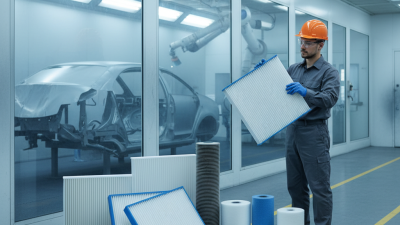
When considering paint booth filters, a variety of options are available on the market. Each type has its specific applications and benefits. For example, high-efficiency particulate air (HEPA) filters are known for trapping over 99% of particles. This feature is crucial for maintaining air quality and ensuring worker safety in industrial environments. According to a 2022 report from the Air Filtration Association, HEPA filters can reduce airborne contaminants significantly, contributing to better overall performance.
Another popular option is activated carbon filters. These filters excel at removing volatile organic compounds (VOCs) from the air. A study by the National Institute for Occupational Safety and Health indicates that VOCs can lead to serious health issues if left unchecked. Using activated carbon filters, facilities can significantly enhance air purity, thus protecting workers and the environment.
**Tips:** Regularly check filter performance to ensure optimal operation. Filters can become saturated over time. Monitor replacement intervals based on usage. This proactive approach can prevent air quality issues. Don't overlook the importance of proper installation to maximize filter efficiency.
Maintenance Tips for Prolonging the Life of Paint Booth Filters
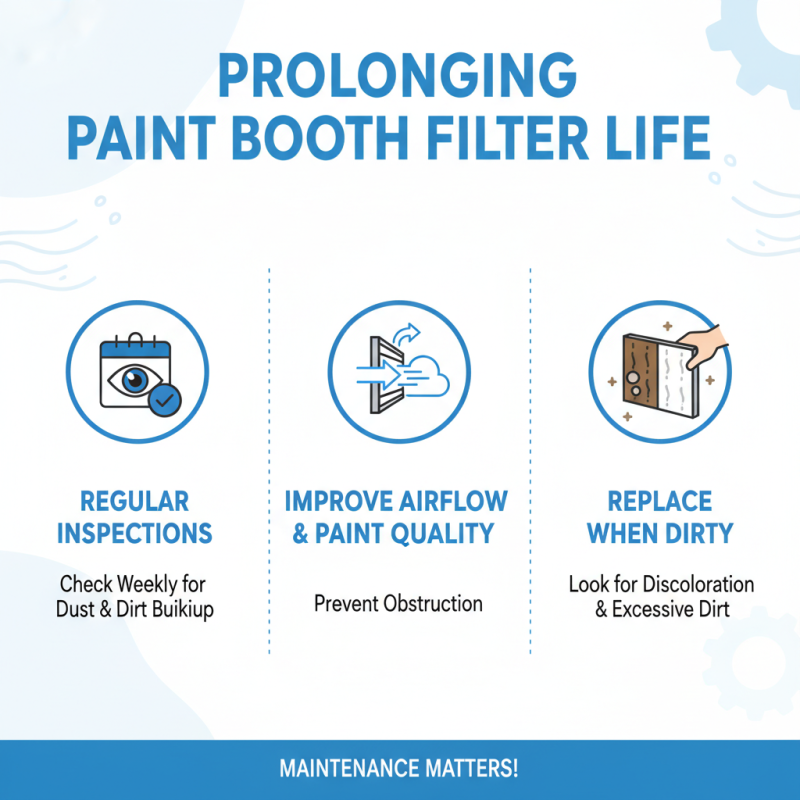
Maintaining your paint booth filters is crucial for optimal performance. Proper care extends their lifespan and improves air quality during painting. Regular inspections are essential. Check for dust buildup weekly. Dirty filters can obstruct airflow and affect paint quality. If you notice discoloration or excessive dirt, it's time for a change.
Cleaning filters often requires more than just a vacuum. Use compressed air to blow out dust. However, don’t apply too much pressure, as this can damage the filter material. Depending on usage, plan to replace filters every few weeks or months. The environment plays a huge role in filter longevity. Humid climates may require more frequent maintenance.
Documenting your maintenance schedule can help identify patterns. If filters seem to clog rapidly, evaluate your paint booth's airflow and operations. Proper humidity control and airflow management can enhance filter efficiency. Always seek professional advice when needed. Regular upkeep isn't just beneficial; it's critical to your operation's success.