Top Paint Booth Filters for Optimal Air Quality in Your Workshop?
Maintaining optimal air quality in workshops is crucial for both health and productivity. Effective **Paint Booth Filters** play a vital role in achieving this goal. According to industry reports, over 30% of workers in manufacturing settings experience respiratory issues due to poor air quality. These filters help capture harmful particles and volatile organic compounds (VOCs), ensuring cleaner air and safer working environments.
However, not all filters are created equal. The U.S. Environmental Protection Agency (EPA) highlights that using high-quality filters can reduce airborne contaminants by up to 95%. This statistic underscores the importance of selecting the right filters for specific applications. Many workshops, unfortunately, overlook filter maintenance, leading to decreased effectiveness and increased costs over time. Neglecting this aspect can harm both worker well-being and overall project quality.
Choosing the best **Paint Booth Filters** involves understanding your workshop's unique needs. Factors such as filter efficiency ratings, airflow rates, and compatibility with existing systems are critical. Being proactive in filter selection and maintenance reflects a commitment to workplace safety and productivity.
Understanding the Importance of Air Quality in Paint Booths
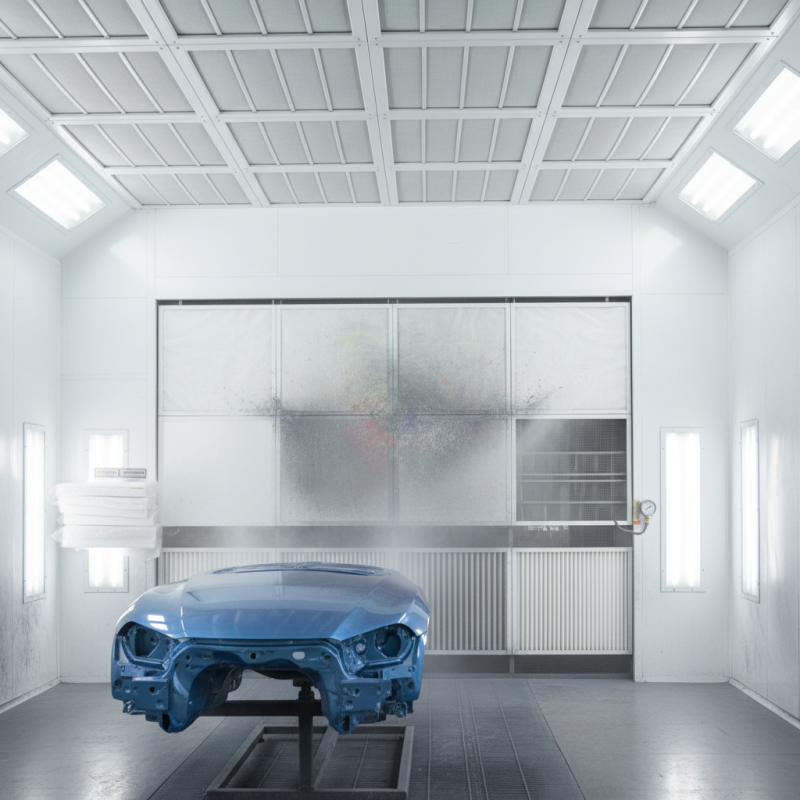
Air quality in paint booths is critical for both health and productivity. Poor air quality can lead to
respiratory issues, fatigue, and reduced focus. According to a study by the National Institute for Occupational Safety and Health (NIOSH),
workers exposed to high levels of paint fumes can experience long-term health problems. Their research highlights
the urgent need for effective ventilation and filtration systems.
Paint particles and volatile organic compounds (VOCs) can linger in the air. A report from the Environmental Protection Agency (EPA) states that
exposure to VOCs can cause headaches, eye irritation, and even liver damage. Workshop owners
should prioritize air quality management. High-efficiency filters can capture particulates and VOCs,
reducing exposure and improving overall working conditions.
However, many workshops still underestimate these risks. Some operators might overlook the maintenance of filters, leading to a drop in air quality.
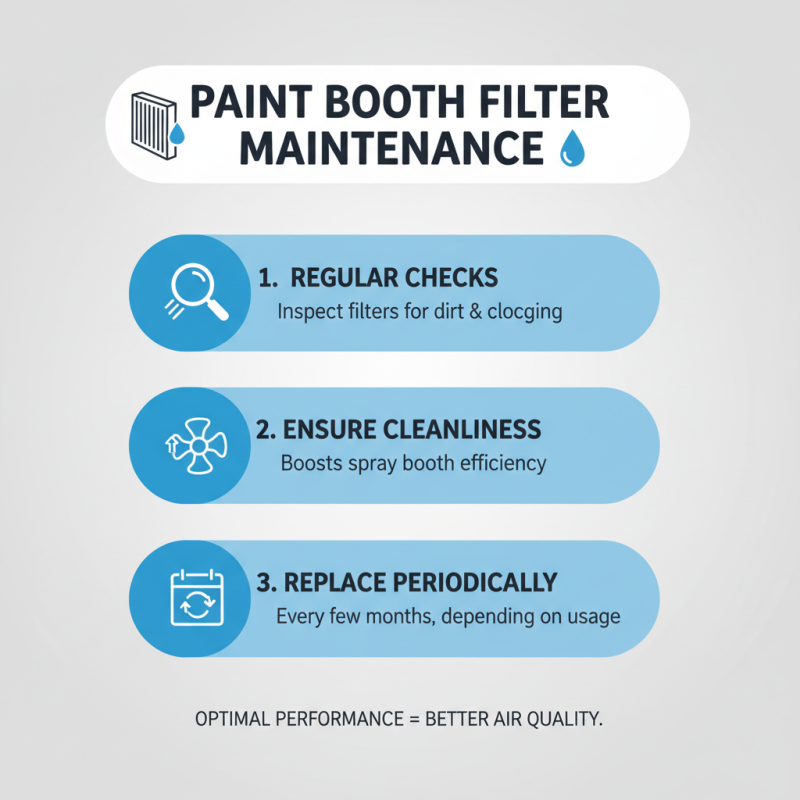
Regular checks and timely replacements of filters are essential for optimal performance.
The effectiveness of a paint booth’s filtration system relies heavily on consistent upkeep.
Ignoring these factors can jeopardize both worker safety and product quality.
Types of Paint Booth Filters and Their Functions
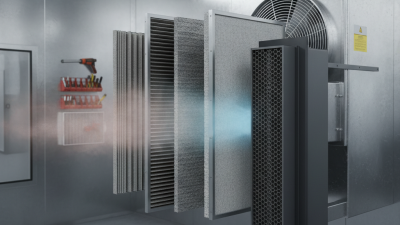
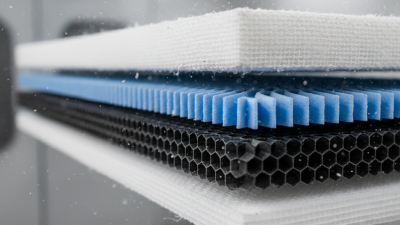
When it comes to maintaining air quality in your workshop, choosing the right paint booth filters is essential. Different types of filters serve specific functions. The pre-filter captures larger particles like dust and debris. This initial layer protects the more delicate filters downstream. Without it, the efficiency of finer filters can diminish quickly.
High-efficiency particulate air (HEPA) filters can trap smaller particles, including paint overspray and allergens. They offer unmatched filtration for a cleaner environment. However, their effectiveness can decline if they are not changed regularly. The task of monitoring filter conditions often gets overlooked, leading to reduced air quality.
Another option is activated carbon filters. These filters absorb volatile organic compounds (VOCs) and odors generated during painting. They play a crucial role in ensuring a pleasant work atmosphere. Yet, if the carbon becomes saturated, it loses its effectiveness. Workshop owners must pay attention to their maintenance and consider the lifespan of each filter type employed. Regular checks can prevent costly rework and health issues later on.
Factors to Consider When Choosing Paint Booth Filters
When choosing paint booth filters, several key factors should be considered.
Filter efficiency is crucial.
High-efficiency particulate air (HEPA) filters capture at least 99.97% of particles.
Reports show that adequate filtration can reduce airborne contaminants, improving overall air quality.
Experts agree that maintaining a clean workspace enhances worker health and productivity.
Another essential factor is filter lifespan. Regularly replacing filters can prevent decreased airflow and reduce safety risks.
Studies indicate that worn filters can lead to a 20% drop in performance.
Monitoring pressure drop across filters helps determine when to replace them.
Many workshops overlook this detail, risking poor air quality and excessive operational costs.
Lastly, consider the filter's compatibility with your booth's design and your specific application.
Filters are not one-size-fits-all.
Using inappropriate filters can lead to system failures and increased expenses.
Ensuring that filters align with industry standards can help maintain efficiency.
Balancing these factors is complex, as often filters may not perform as expected over time.
Regular assessments are vital for continuous improvement in air quality.
Top Paint Booth Filters for various Applications and Needs
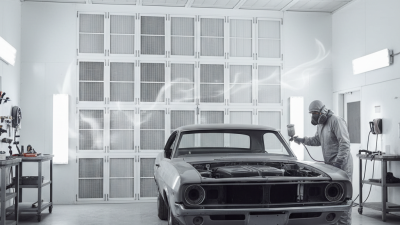
Choosing the right paint booth filter is crucial for maintaining air quality in workshops. Different applications call for specific filter types. For instance, high-efficiency particulate air (HEPA) filters effectively trap small particles. They are vital for automotive applications, where there is a high probability of overspray.
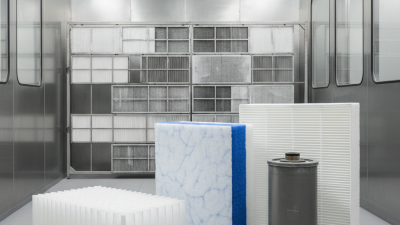
For woodworking, the focus shifts to filters that capture larger wood particles and dust. Fiberglass filters are popular in this area due to their ability to handle larger contaminants. However, they may not filter fine particles as effectively as HEPA filters. Each filter has its strengths and weaknesses, and understanding your workshop's needs is essential.
Occasionally, users overlook the importance of regular filter maintenance. Clogged filters can hinder airflow, leading to poor air quality. It’s crucial to monitor and replace filters on a schedule based on usage and application. Seeking expert advice or resources can ensure you make the best decision for your workshop environment.
Top Paint Booth Filters for Optimal Air Quality in Your Workshop
| Filter Type |
Minimum Efficiency Reporting Value (MERV) |
Application |
Expected Lifespan |
Price Range |
| HD Pleated Filters |
13 |
General paint booths |
6-12 months |
$50 - $80 |
| Activated Carbon Filters |
11 |
Odor and gas absorption |
3-6 months |
$70 - $100 |
| HEPA Filters |
17 |
Fine particles and allergens |
12-24 months |
$120 - $200 |
| Pre-filter Media |
8 |
Initial large particle removal |
1-3 months |
$15 - $30 |
| Electrostatic Filters |
12 |
Variable applications |
6-12 months |
$40 - $70 |