Top 5 Spray Booth Exhaust Filters to Consider at 2026 Canton Fair?
As the 2026 Canton Fair approaches, the spotlight is on innovative products like Spray Booth Exhaust Filters. These filters play a crucial role in maintaining air quality in paint booths, ensuring a safe working environment. Attending this fair offers an opportunity to explore the top options available in the market.
Efficient Spray Booth Exhaust Filters can significantly enhance the functionality of manufacturing facilities. Buyers should be aware of features such as filtration efficiency and ease of maintenance. Choosing the right filter is not just about quality; it also involves understanding certifications such as ISO and CE.
Despite the advancements, challenges remain. Some filters may not perform as expected, leading to potential air quality issues. It is vital to critically assess products rather than rely solely on marketing claims. The 2026 Canton Fair's AI-driven search and navigation will assist buyers in making informed decisions, but verifying performance must still be a priority.
Understanding the Importance of Exhaust Filters in Spray Booths
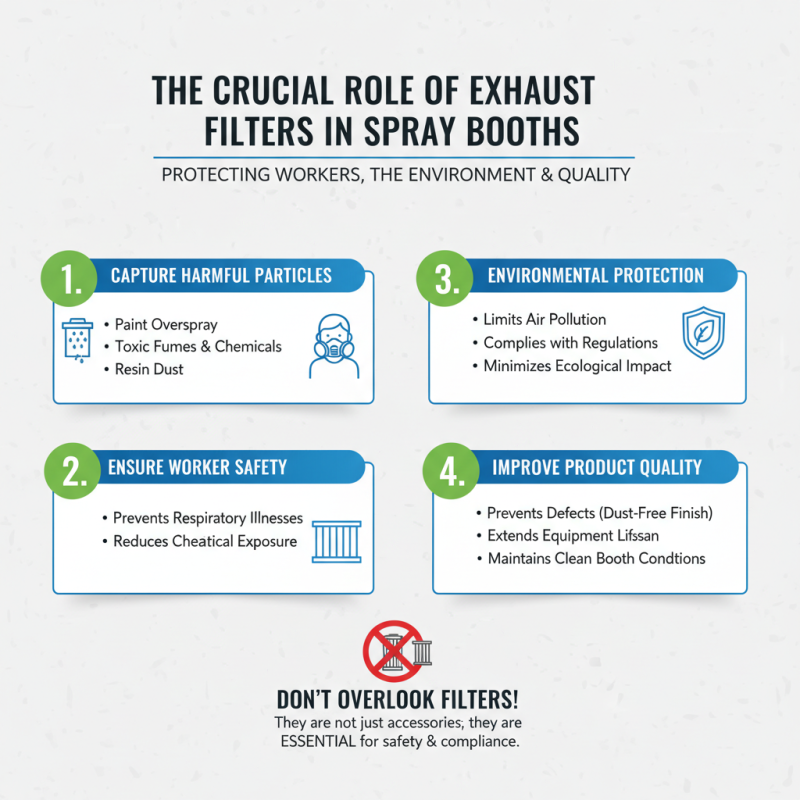
Exhaust filters play a vital role in spray booths. They capture harmful particles released during the painting process. Without effective filters, toxic fumes can pollute the air. This poses health risks to workers and the environment. Manufacturers often overlook this essential aspect. It's easy to dismiss filters as mere accessories, but they are crucial for safety.
When choosing exhaust filters, consider efficiency and compatibility with your spray booth. Not all filters are created equal. Some may handle specific substances better than others. This specificity needs careful evaluation. Factors like thickness, material, and airflow impact performance. The right filter can significantly reduce airborne contaminants.
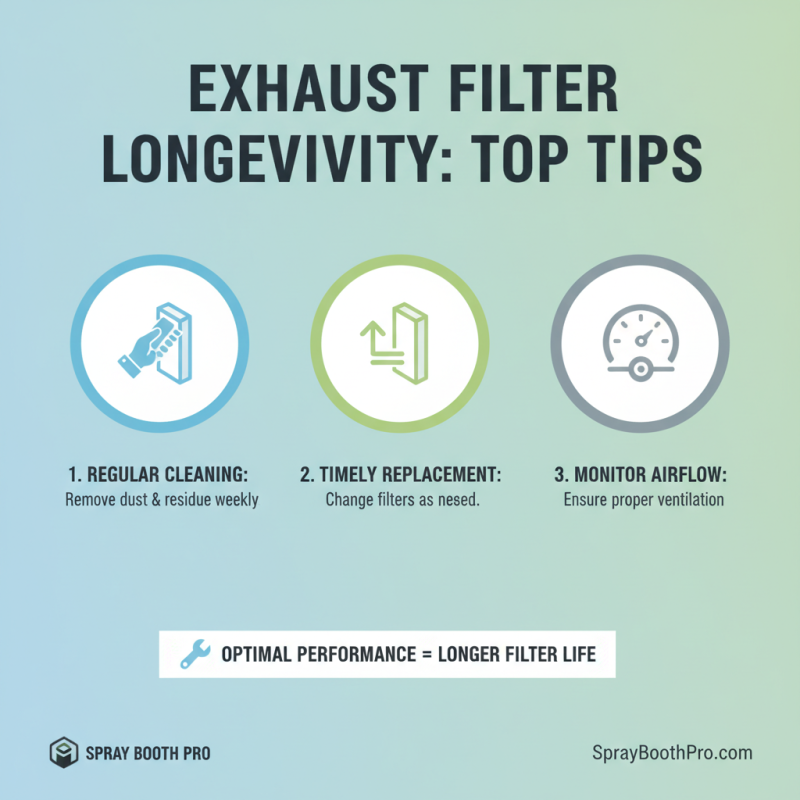
Installing exhaust filters is not a one-time task. Regular maintenance is essential. Filters can become clogged over time, reducing their effectiveness. Neglecting this can lead to increased pollution levels and operational costs. Businesses must develop a routine for checking and replacing filters. Awareness of this crucial process is often lacking.
Key Features to Consider When Choosing Spray Booth Exhaust Filters
When selecting spray booth exhaust filters, it's vital to focus on several key features. Filter efficiency is crucial in capturing harmful particles. High-quality filters can significantly reduce air pollution. Look for filters with a high MERV rating. This will ensure better performance and cleaner air in the workshop.
Durability is another important factor. Filters need to withstand harsh environments. Some materials may degrade quickly under constant exposure to solvents. Regularly check for wear and tear. It's essential to replace filters on time to maintain optimal airflow. Also, consider the ease of installation. Replacing filters should not be a complicated task. A user-friendly design saves time and minimizes operational downtime.
Pay attention to the filter's compatibility with your spray booth. Not all filters fit every booth type. Sizes and designs vary significantly. It's easy to overlook this detail, leading to inefficiencies. Many users skip this step and regret it later. Finding the right fit is essential. Taking time to research can prevent unnecessary challenges.
Top 5 Spray Booth Exhaust Filters to Consider at 2026 Canton Fair
| Filter Type |
Efficiency (%) |
Dimensions (cm) |
Material |
Lifespan (Months) |
| Polyester Filter |
90 |
60 x 60 |
Synthetic Fibers |
12 |
| Activated Carbon Filter |
95 |
50 x 50 |
Activated Carbon |
6 |
| HEPA Filter |
99.97 |
120 x 60 |
Fiberglass |
24 |
| Electrostatic Filter |
88 |
100 x 100 |
Conductive Materials |
18 |
| Pleated Filter |
85 |
80 x 40 |
Polyester |
9 |
Top Five Recommended Spray Booth Exhaust Filters for 2026
When visiting the Canton Fair in 2026, selecting the right spray booth exhaust filters is crucial. These filters ensure a safe and clean working environment. According to a recent industry report, efficient exhaust systems improve air quality by up to 75%. This is vital for compliance and worker health.
Tips to consider: Look for filters that balance efficiency and cost. Opt for models that are easy to replace. Efficiency ratings are key. Filters with MERV ratings above 11 offer better particulate reduction. Be mindful of maintenance; neglect can lead to performance drops.
Also, review the material of the filter. Some are made from synthetic media, while others use natural fibers. Both have pros and cons. While synthetic filters can have higher durability, natural ones may be more effective against specific contaminants.
Reflect on your specific needs. Are you dealing with heavy overspray or fine particles? Your choice must reflect your operational challenges. Meeting air quality standards is non-negotiable. Invest wisely to ensure safety and efficiency.
Top 5 Spray Booth Exhaust Filters to Consider at 2026 Canton Fair
Comparative Analysis of Spray Booth Exhaust Filters Available at Canton Fair
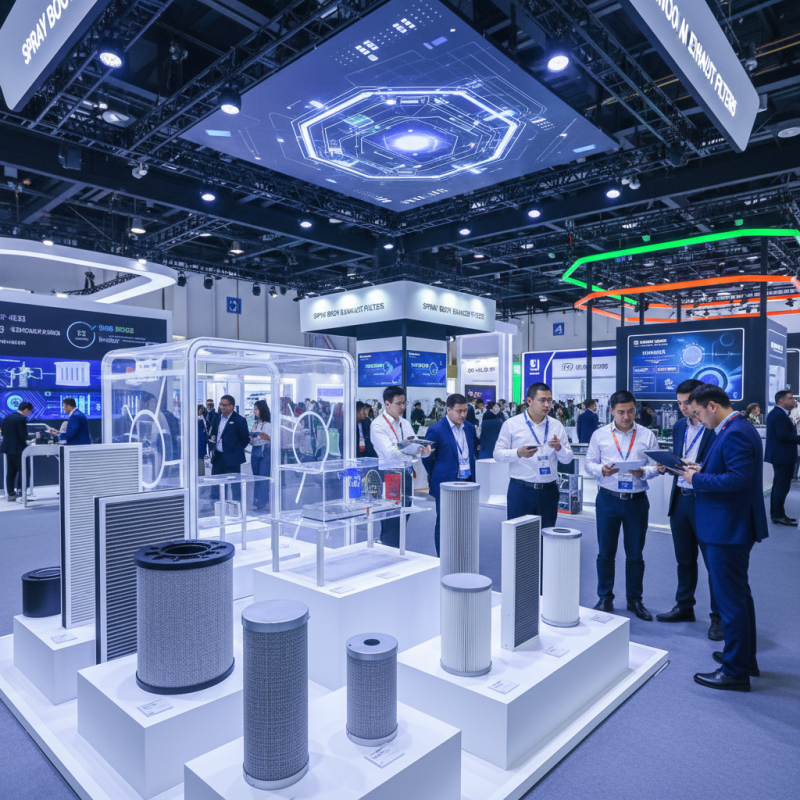
The Canton Fair in 2026 will showcase various spray booth exhaust filters. Each filter serves a distinct purpose in ensuring clean air. Choosing the right one can be challenging, as they differ in efficiency and design. Some filters focus on capturing larger particles, while others target finer contaminants. This can impact the overall air quality in a workspace.
One notable aspect of these filters is their maintenance requirements. Some may need frequent replacement, which can lead to higher costs. Others offer easy cleaning options, making them more user-friendly. It’s essential to consider filter lifespan and performance. Users should also think about installation and compatibility with existing systems.
Gathering insights from vendors at the fair can help in making informed choices. Observing how each filter performs in real scenarios is crucial. However, not every model will meet ideal expectations. Some may fall short on efficiency, requiring users to reevaluate their options. Engaging in discussions at the fair can uncover valuable experiences and tips from fellow attendees. Expanding knowledge beyond basic specifications leads to better decisions.