Top 10 Spray Booth Exhaust Filters for Efficient Air Quality Management?
In industries like automotive and manufacturing, maintaining air quality is crucial. Spray Booth Exhaust Filters play a significant role in this process. According to the Environmental Protection Agency (EPA), poor air quality can lead to serious health issues. This highlights the importance of efficient filtration systems.
Modern spray booths generate a high volume of VOCs (volatile organic compounds), which demand effective mitigation strategies. Reports indicate that 75% of industrial workers are exposed to harmful airborne pollutants. Selecting the right Spray Booth Exhaust Filters is not just a regulatory matter; it's essential for worker safety.
While some filters promise high efficiency, not all perform as expected. Many businesses struggle with filter selection, leading to increased operational costs. It's vital to assess the performance and lifespan of each filter type. Properly chosen filters can reduce emissions and promote a healthier working environment, yet many remain unaware of their impact.
Understanding the Importance of Spray Booth Exhaust Filters
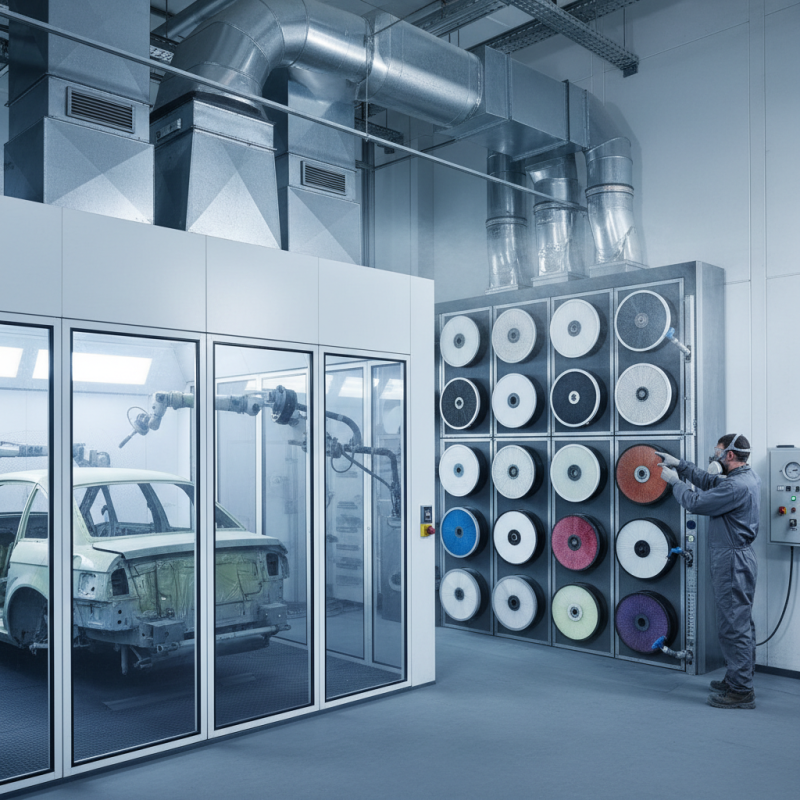
Spray booth exhaust filters play a crucial role in maintaining air quality in industrial settings. These filters capture harmful particles and volatile organic compounds (VOCs) generated during spray painting processes. According to industry reports, inadequate filtration can limit air quality and increase health risks for workers. Over 30% of workers report respiratory issues linked to poor air filtration in spray booths.
Regular maintenance of these filters is not just important; it’s necessary. A clogged filter can reduce airflow, leading to higher concentrations of harmful substances. Studies indicate that proper filtration can reduce VOC emissions by up to 90%. However, many facilities overlook routine checks, leading to potential inefficiencies and health hazards.
Investing in the right exhaust filter can lead to improved air quality. This not only protects worker health but also ensures compliance with environmental regulations. Inadequate systems may provide short-term savings but can result in costly penalties over time. Organizations must rethink their filtration strategies to enhance safety in the workplace.
Types of Spray Booth Exhaust Filters and Their Functions
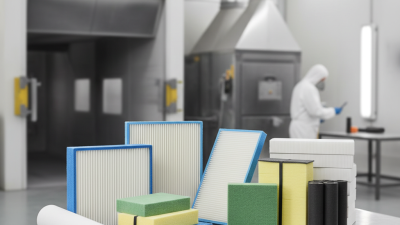
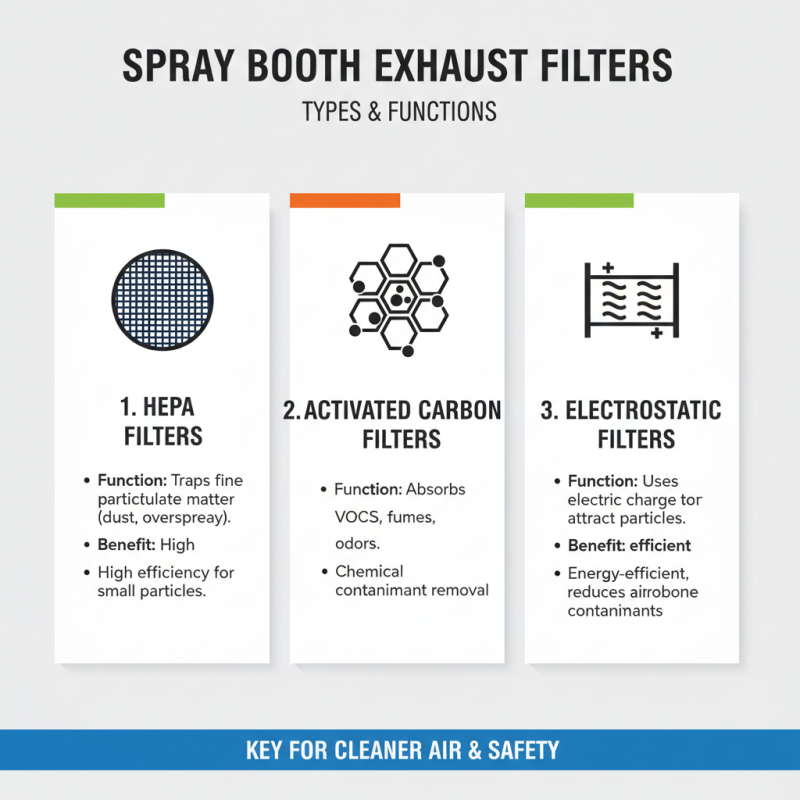
Spray booths play a crucial role in various industries, mainly for paint application. The quality of air inside these booths significantly affects both health and productivity. Effective exhaust filters are vital for maintaining optimal air quality. Common types of these filters include HEPA, activated carbon, and electrostatic filters. Each serves a specific purpose in trapping contaminants.
HEPA filters are known for capturing particles as small as 0.3 microns with an efficiency of 99.97%. This is critical in environments where fine spray particles can lead to respiratory issues. Activated carbon filters, on the other hand, absorb volatile organic compounds (VOCs). They are essential for reducing harmful fumes. Data from industry reports suggest that air quality improves by over 50% with proper filtration.
Electrostatic filters use charged particles to attract dust and spray mist. They are reusable and can reduce waste. However, their efficiency may decline over time. Regular maintenance is often overlooked, leading to reduced performance. Taking time to assess filter conditions is vital. Ensuring that all filter types are functioning well is a shared responsibility in maintaining a safe workspace.
Criteria for Selecting Optimal Exhaust Filters for Air Quality
When choosing exhaust filters for spray booths, consider several key factors. The type of material used in filters can greatly impact performance. Some filters capture larger particles, while others are better at trapping smaller, finer particles. Think about the specific needs of your workspace. Are you mostly dealing with paints or solvents? This question influences your filter choice.
Efficiency is another crucial criterion. Look for filters that balance airflow with particle capture. A filter that’s too dense may restrict airflow, leading to high pressure drops in the system. This can affect the performance of your equipment. Sometimes, facilities focus too much on initial costs. This might result in higher maintenance or replacement costs in the future.
Additionally, check the lifespan of the filters. Shorter life spans can lead to more frequent changes, disrupting workflow. Many overlook this point, only to face unexpected downtimes. Reflect on the maintenance requirements as well. Easy-to-install filters save time and reduce labor costs. However, achieving the right balance between cost and efficiency often requires careful consideration and adjustment.
Top 10 Spray Booth Exhaust Filters for Efficient Air Quality Management
| Filter Type |
Efficiency Rating |
Particle Size Removal |
Lifespan |
Cost (per unit) |
| High Efficiency Particulate Air (HEPA) |
99.97% |
>= 0.3 microns |
3-5 years |
$50 |
| Pleated Air Filters |
90% |
>= 0.5 microns |
6-12 months |
$20 |
| Electrostatic Filters |
95% |
>= 0.3 microns |
2-3 years |
$40 |
| Activated Carbon Filters |
80% |
Fumes and odors |
1 year |
$30 |
| Fiberglass Filters |
85% |
>= 0.5 microns |
3 months |
$15 |
| MERV 13 Filters |
90% |
>= 0.3 microns |
6 months |
$25 |
| Pocket Filters |
95% |
>= 0.5 microns |
1 year |
$35 |
| Wire Mesh Filters |
70% |
Dust and debris |
2-5 years |
$10 |
| Aluminum Filters |
75% |
>= 1 micron |
5 years |
$18 |
| Custom Compliant Filters |
Varies |
Varies |
Varies |
Varies |
Top 10 Spray Booth Exhaust Filters: Features and Benefits
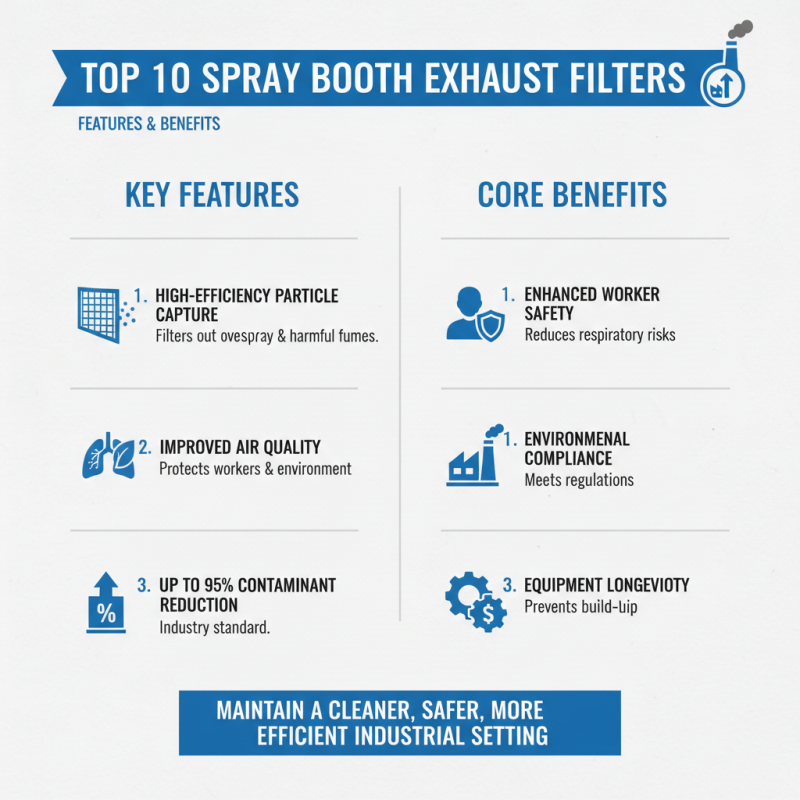
Spray booth exhaust filters play a crucial role in maintaining air quality in industrial settings. Efficient filters capture harmful particles, including overspray and fumes. They are necessary for protecting both worker health and the environment. According to industry reports, a well-designed exhaust system can reduce airborne contaminants by up to 95%.
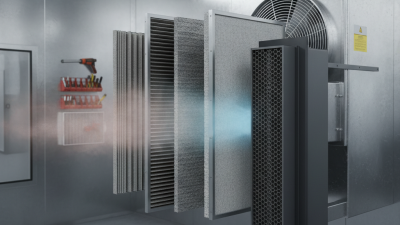
Features of spray booth filters vary widely. Some models include multilayer construction, offering better particle capture rates. Others incorporate activated carbon for odor control. Many filters also feature a high MERV (Minimum Efficiency Reporting Value), indicating superior filtration efficiency. Not all filters perform equally, and improper selection can lead to issues like reduced airflow and increased energy costs.
The benefits extend beyond air quality. Effective exhaust filters can lower maintenance costs and prolong equipment life. However, many users underestimate the importance of regular filter changes. Neglecting this can lead to system inefficiency and health hazards. A study found that nearly 30% of operators fail to replace filters on schedule, risking compliance issues. Reacting to these challenges is vital for creating a safe work environment.
Maintenance Tips for Prolonging the Life of Exhaust Filters
Maintaining exhaust filters is crucial for optimal performance. Clean filters enhance air quality and protect equipment. Regular maintenance extends filter life and ensures efficiency.
One key tip is to inspect filters monthly. Look for dirt and debris buildup. A clogged filter can reduce airflow significantly. Change filters based on usage. If the booth operates frequently, be proactive.
Another important aspect is cleaning the filters. Use a gentle vacuum or compressed air. Avoid harsh chemicals. They can damage the filter material. Even small tears can lead to inefficiency. Careful handling is vital.
Finally, keep an eye on the environment. Dust, humidity, and temperature affect filter performance. Adjust cleaning schedules accordingly to maintain air quality. Ignoring these factors can cost more in the long run. Regular check-ups can prevent bigger issues.
Top 10 Spray Booth Exhaust Filters Performance Comparison
This chart compares the efficiency ratings of the top 10 spray booth exhaust filters, showcasing how each filter performs in terms of air quality management. Higher ratings indicate better filtration efficiency, contributing to improved working conditions and prolonged equipment life.