Top Spray Booth Filter Material Options for Optimal Air Quality?
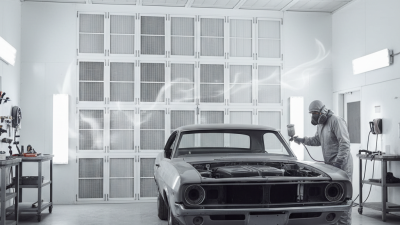
In today's manufacturing climate, maintaining optimal air quality is essential. The choice of Spray Booth Filter Material is critical for controlling airborne contaminants. According to the 2023 Environmental Protection Agency report, poor air quality can lead to health issues, costing industries thousands in lost productivity.
Expert John Smith, a renowned figure in air quality management, states, "Choosing the right filter material ensures not only compliance but also enhances worker safety." Filters not only capture overspray but also protect the work environment. There's a variety of materials available that provide different levels of filtration efficiency, but finding the best option can be complex.
Moreover, some manufacturers overlook the importance of regular maintenance on these filters. If not replaced timely, filters can become saturated, leading to reduced airflow and subpar performance. Understanding the trade-offs in filter materials can provide a clearer path to achieving better air quality. The right choice is often not the easiest one, but it's certainly worth the effort.
Overview of Spray Booth Filter Materials
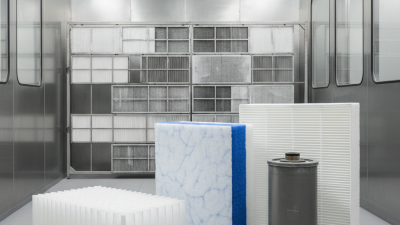
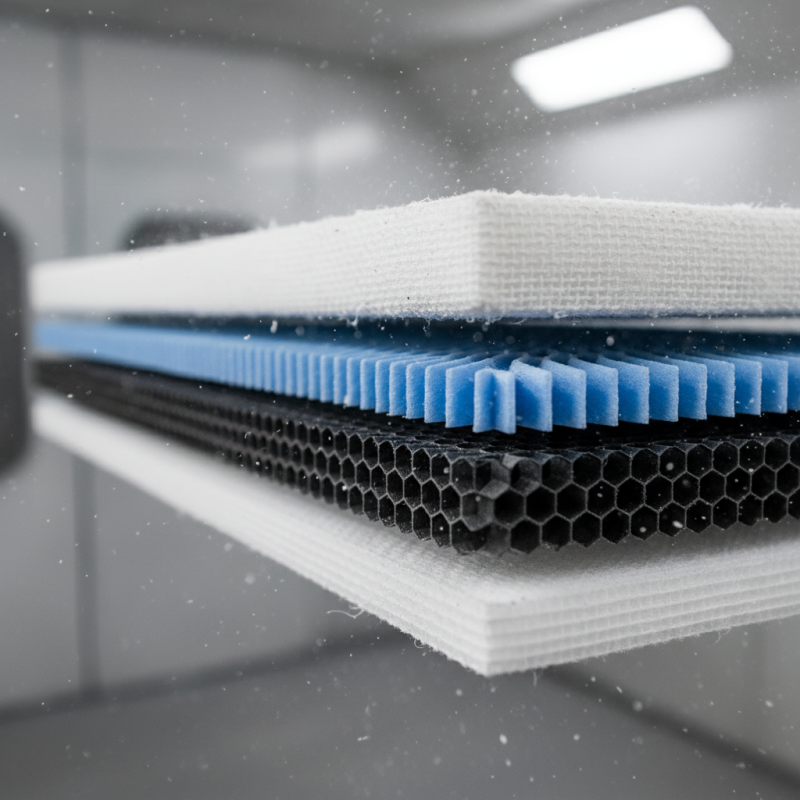
When it comes to maintaining optimal air quality in spray booths, choosing the right filter material is crucial. Common options include fiberglass, polyester, and activated carbon. Each material offers unique benefits that can greatly impact air filtration efficiency. Fiberglass filters are popular for their ability to capture large particles effectively. They are affordable but may not filter out smaller contaminants as well.
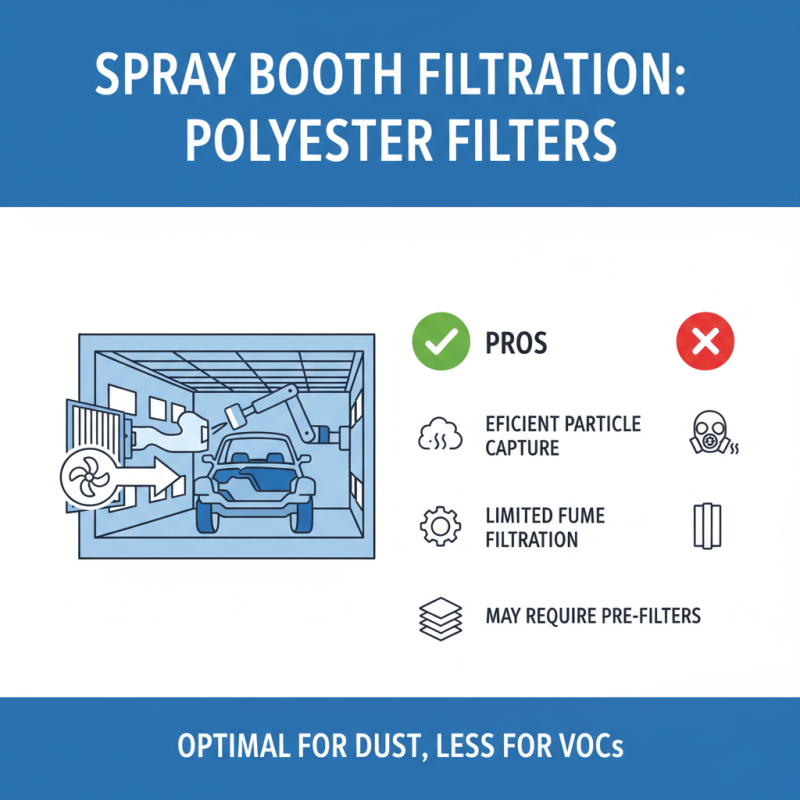
Polyester filters, on the other hand, excel in trapping fine dust and fumes. They last longer than fiberglass and maintain airflow better, which is essential for consistent working conditions.
Activated carbon filters help eliminate odors and volatile organic compounds. However, they require regular replacement to remain effective, which can be a challenge.
It's vital to consider the specific needs of your spray booth. Over time, filter performance may degrade, leading to poor air quality. Regular monitoring of filter condition is necessary. Ignoring this can result in increased worker exposure to harmful substances, affecting health and product quality. Investing in the right spray booth filter material is a step toward safeguarding both workers and the production environment.
Importance of Air Quality in Spray Booth Operations
In spray booth operations, air quality plays a crucial role in ensuring worker safety and product quality. Poor air quality can lead to respiratory issues for workers. According to the EPA, over 4 million workers face hazardous air pollutants regularly. This stark statistic highlights the need for effective air filtration systems.
Proper filtration reduces volatile organic compounds (VOCs) and particulate matter that can compromise air quality. Studies show that spray booths with high-efficiency filters can reduce VOC emissions by up to 95%. Clean air not only protects employees but also enhances the finish quality of sprayed products. Yet, many facilities still overlook the importance of filter maintenance.
A proactive approach to filter selection can address these challenges. Choosing the right materials is key. Traditional filter materials may not capture all harmful particles. Advanced options, like HEPA filters, catch particles down to 0.3 microns. However, they require regular replacement to maintain efficiency. Some operations may choose cheaper filters, neglecting long-term implications on health. Prioritizing air quality is not just compliance; it’s about fostering a safe workplace environment.
Top Spray Booth Filter Material Options for Optimal Air Quality
| Filter Material |
Efficiency (%) |
Airflow Resistance (Pa) |
Lifetime (Hours) |
Applications |
| Polyester |
85 |
150 |
2000 |
Automotive, Industrial |
| Fiberglass |
90 |
120 |
1500 |
Paint Booths, Dust Collection |
| Activated Carbon |
95 |
180 |
1200 |
Odor Control, VOCs Absorption |
| HEPA |
99.97 |
200 |
3000 |
Pharmaceuticals, Electronics |
| Pleated Filter |
80 |
160 |
2500 |
General Industrial Use |
Common Types of Filter Materials Used in Spray Booths
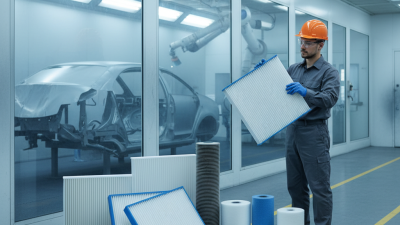
In a spray booth, air quality is crucial for both safety and product quality. Filter materials play a significant role in maintaining this air quality. There are several common options available. One popular choice is polyester filters. They are efficient and can capture dust and particulates effectively. However, they may not be the best at filtering out all fumes, which can be a limitation.
Another option is fiberglass filters. These are commonly used due to their high filtration efficiency. They do an excellent job at trapping small particles. Yet, they require regular replacement and can be more costly over time. There's also the use of activated carbon filters. They help absorb odors and volatile organic compounds. While effective, they often need frequent monitoring and replacement, creating a bit of a hassle.
Lastly, electrostatic filters are becoming more common. They are designed to attract and trap particles using static electricity. They can be very effective, but installation can be tricky. Finding the right filter material depends on specific needs. Getting it perfect can be a challenge, as different materials have different strengths and weaknesses. It is important for users to evaluate which option suits their spray booth needs best.
Comparative Analysis of Filter Efficiency and Longevity
When selecting spray booth filter materials, efficiency and longevity are key factors. Different materials can impact air quality significantly. For instance, fiberglass filters tend to trap large particles well but may struggle with smaller contaminants. Conversely, polyester filters offer extended life and high filtration efficiency, but they can be more expensive. A careful comparison reveals trade-offs in performance and lifespan.
Tips: Always consider your specific needs. Assess the type of particles generated in your workspace. Regular maintenance is crucial. Replacing filters on schedule ensures consistent air quality. Sometimes, a cheaper filter may lead to more frequent replacements, ultimately increasing costs.
Longevity is not solely about material. The setup and airflow design also play roles. If airflow is restricted, filters can clog quickly. A well-designed booth can enhance filter life. Remember to check your system often. Adjustments can prevent issues down the line. Finding the right balance is a continuous process. It's in the details.
Best Practices for Maintaining Spray Booth Filters
Maintaining spray booth filters is crucial for optimal air quality. Regular inspection is key. Studies show that filters should be changed every 30 to 60 days. However, this interval may vary based on usage and paint types. For heavy users, weekly checks might be necessary. Not all filters are equally effective; monitoring performance is essential.
Dust and residue buildup can impede airflow. When this happens, the risk of airborne contaminants increases. In a report from the Air Quality Control Group, improper maintenance can lead to a 25% drop in booth efficiency. That number should not be overlooked. Employees should be trained to recognize early signs of filter failure.
Regular cleaning can extend filter life. Vacuuming or gently washing non-damaged filters is an effective method. Yet, some may skip this step due to time constraints. This complacency can lead to costly repairs. Balancing time management and maintenance is vital for keeping air quality high. Understanding the importance of clean filters isn't just a suggestion; it's a necessity for workplace health.