Top 10 Spray Booth Filter Options for Your Business Needs?
In the world of spray booths, choosing the right Spray Booth Filter can make a significant difference. Experts agree that having the right filter is crucial for both air quality and operational efficiency. John Smith, a leading authority in spray booth technology, once stated, "A good filter doesn't just protect your equipment; it enhances the entire workspace."
Every business faces unique challenges when selecting filters. It's essential to understand factors such as filter efficiency, compatibility, and maintenance needs. A poorly chosen Spray Booth Filter can lead to increased costs and safety hazards. In some cases, businesses underestimate their filter's importance and face consequences later on.
As we explore the top ten options for Spray Booth Filters, it’s vital to weigh their features and effectiveness carefully. Don’t overlook the nuances in filter types and their applications. By making informed choices, companies can ensure cleaner environments and boost productivity.
Understanding the Importance of Spray Booth Filters in Business
Spray booth filters play a crucial role in maintaining air quality during painting and finishing processes in various industries. According to the U.S. Environmental Protection Agency (EPA), over 70% of hazardous air pollutants come from surface coating operations. The right filter can capture harmful particles, ensuring a safer workspace and compliance with environmental regulations.
In addition, a study by the American Coatings Association found that efficient filters improve paint application quality. Poor filtration can lead to overspray and defects in the finish. This not only increases waste but also costs more in rework. Airborne contaminants can make a significant impact on the final product.
Choosing the right filter may seem straightforward, but it requires careful consideration. Factors like the type of paint used, the filter's efficiency rating, and changes in production volume all matter. Regularly reviewing filter performance is essential. Some businesses neglect this, leading to increased operational costs and safety hazards. Investing in quality filters is not just an expense; it's about long-term productivity and worker safety.
Different Types of Spray Booth Filters and Their Uses
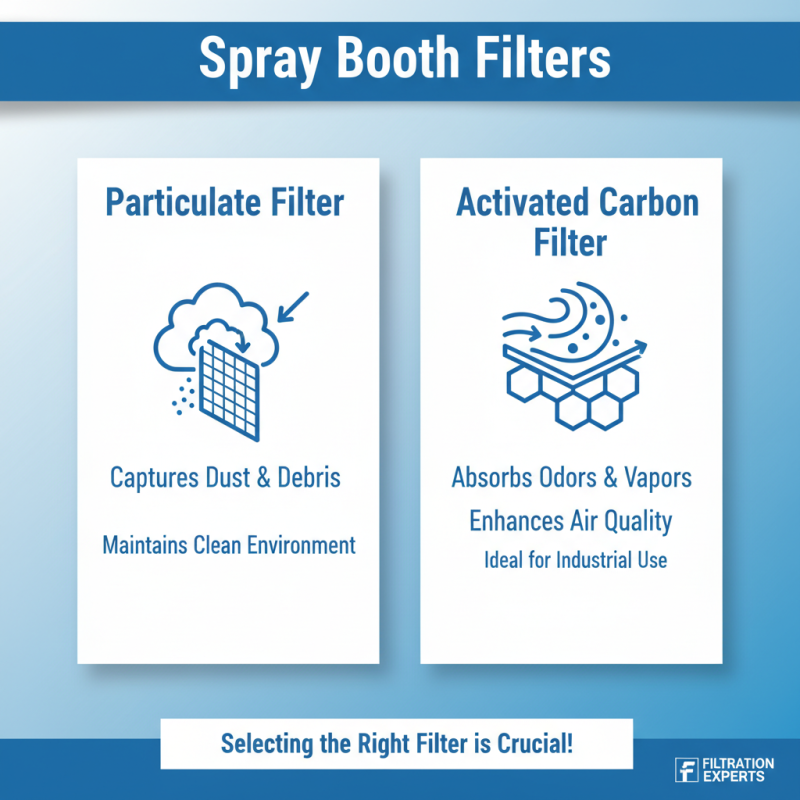
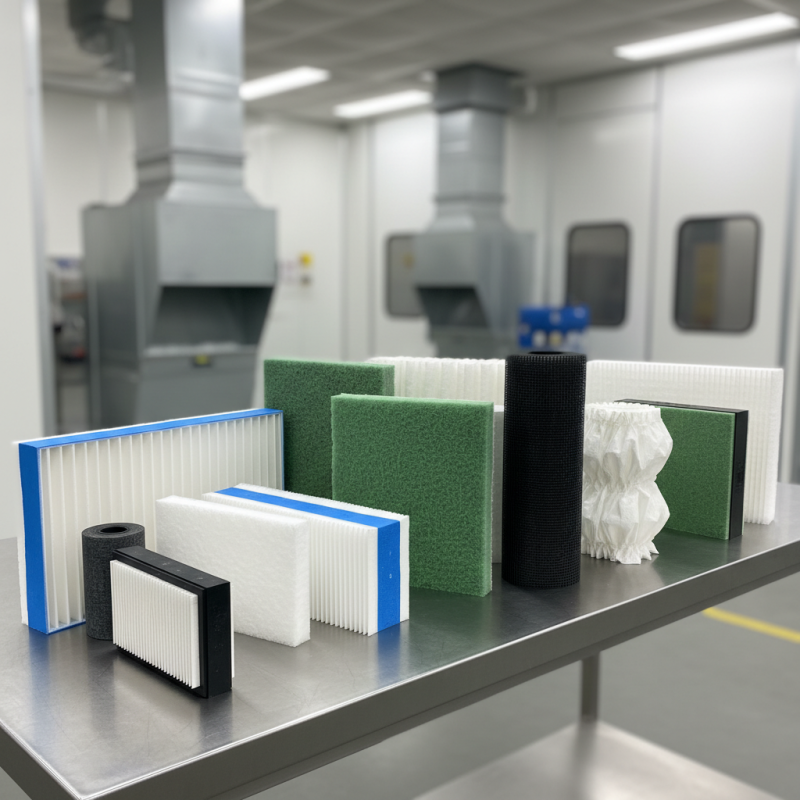
When selecting spray booth filters, understanding their types and uses is crucial. There are several options, each suited for specific applications. A common type is the particulate filter, which captures dust and debris effectively. These filters help maintain a clean environment. Another type is the activated carbon filter. This filter absorbs odors and harmful vapors, enhancing air quality. It is particularly useful in industrial settings.
Another option is the HEPA filter, known for its high-efficiency particulate air filtration. HEPA filters can trap 99.97% of particles. They are often used in environments where cleanliness is vital. A downside to using HEPA filters is their maintenance requirements. They can become clogged and need regular replacement to ensure optimal performance.
Electrostatic filters are also gaining popularity. They use static electricity to attract particles. While they can be effective, their initial cost might deter some businesses. It’s essential to weigh the pros and cons of each filter type. A well-informed decision will lead to better air quality and operational efficiency.
Key Factors to Consider When Choosing Spray Booth Filters
When selecting spray booth filters, several factors should guide your decision. First, consider the type of materials you frequently work with. If you primarily use water-based paints, a different filter may be needed than for solvent-based products. Understanding these nuances can enhance your booth's efficiency.
Imagine a scenario where the filter clogs quickly. This can lead to poor air quality and safety issues. Regularly assess the humidity and temperature of your workspace, as they can impact filter performance. Choose a filter that accommodates your specific conditions.
Tip: Implement a maintenance schedule. Regular cleaning can extend the lifespan of your filters.
The size of your booth also plays a significant role. An oversized filter might be difficult to manage, while a small one can compromise air quality. Match the filter size to your spray booth dimensions for optimal results.
Tip: Keep an eye on airflow. Insufficient airflow can reduce filter effectiveness.
Understanding your unique needs is vital. Explore various filter options, and don't rush into a purchase without research. Each choice can affect your business's overall efficiency and safety. A well-chosen filter ensures better results and productivity in your projects.
Top Spray Booth Filter Options for Various Industry Applications
When it comes to spray booth filters, understanding industry applications is crucial. Different industries have unique requirements. For instance, automotive painting requires filters that can handle volatile organic compounds (VOCs) effectively. According to the EPA, improper filtration can lead to increased environmental health risks, emphasizing the importance of a reliable filter system.
Many businesses in manufacturing and woodworking industries prefer high-efficiency particulate air (HEPA) filters. These filters capture contaminants with 99.97% efficiency for particles as small as 0.3 microns. They ensure cleaner air quality and comply with strict regulations. Reports show that installations with HEPA filters lead to reduced worker health problems by 30%.
Tip: Regularly inspect and replace filters to maintain efficiency. Failure to do so can result in poor air quality and increased costs.
In the aerospace industry, using charcoal filters is common. These filters help in removing odors and toxic fumes. It's essential to choose the right filter based on specific needs. Not all filters will perform the same under varying conditions. Operational versatility is key.
Tip: Keep a log of your filter performance. This practice helps identify trends and potential issues early.
Top 10 Spray Booth Filter Options for Your Business Needs
| Filter Type |
Efficiency (%) |
Application |
Material |
Common Use |
| Polyester Filter |
90 |
Automotive |
Synthetic |
Spray Painting |
| Carbon Filter |
95 |
Aerospace |
Activated Carbon |
Odor Control |
| HEPA Filter |
99.97 |
Pharmaceutical |
Fiberglass |
Dust and Particles |
| Polypropylene Filter |
85 |
HVAC |
Polypropylene |
Air Filtration |
| Multilayer Filter |
97 |
General Industry |
Composite |
Solvent Control |
| Prefilter |
80 |
Woodworking |
Nylon |
Saw Dust |
| Fiberglass Filter |
90 |
Industrial |
Fiberglass |
Dust & Fumes |
| Electrostatic Filter |
95 |
Food & Beverage |
Electrostatic Media |
Grease & Odor Control |
| Synthetic Filter |
92 |
Textiles |
Synthetic Fibers |
Lint & Fibers |
| Activated Alumina Filter |
99 |
Chemical |
Alumina |
Acid & Volatile Control |
Maintenance Tips for Ensuring Filter Efficiency and Longevity
Maintaining spray booth filters is crucial for optimal air quality and equipment performance. Regularly inspect filters for dirt and debris. A dirty filter can restrict airflow, leading to inefficiencies. Establish a routine, like weekly checks, to catch problems early.
Cleaning filters can extend their lifespan. Depending on the filter type, some can be washed and reused. Others may require replacement. Always follow manufacturer guidelines for best practices. Pay attention to warning signs, such as unusual noise or decreased airflow. These can indicate a clogged filter needing immediate attention.
Remember that not all filters perform the same under similar conditions. Keep track of filter usage in your specific environment. Take notes on performance issues if they arise. This data will help refine your maintenance schedule. Over time, you may discover that certain types of filters work better for your needs. Embrace the learning process; it can lead to improved operational efficiency.