
Core Configurations and Functional Analysis of High-Temperature Paint Baking Booth
In the industrial coating field, high-temperature paint baking rooms have become essential equipment for surface treatment due to their energy efficiency and high performance. Compared to traditional baking rooms, their structural design is more streamlined, optimizing pipeline layouts and heating systems to significantly reduce energy consumption and failure rates. Below is a detailed breakdown of their core configurations and functional advantages across six dimensions.
1、Main Structure: Combining Stability and Ventilation Design
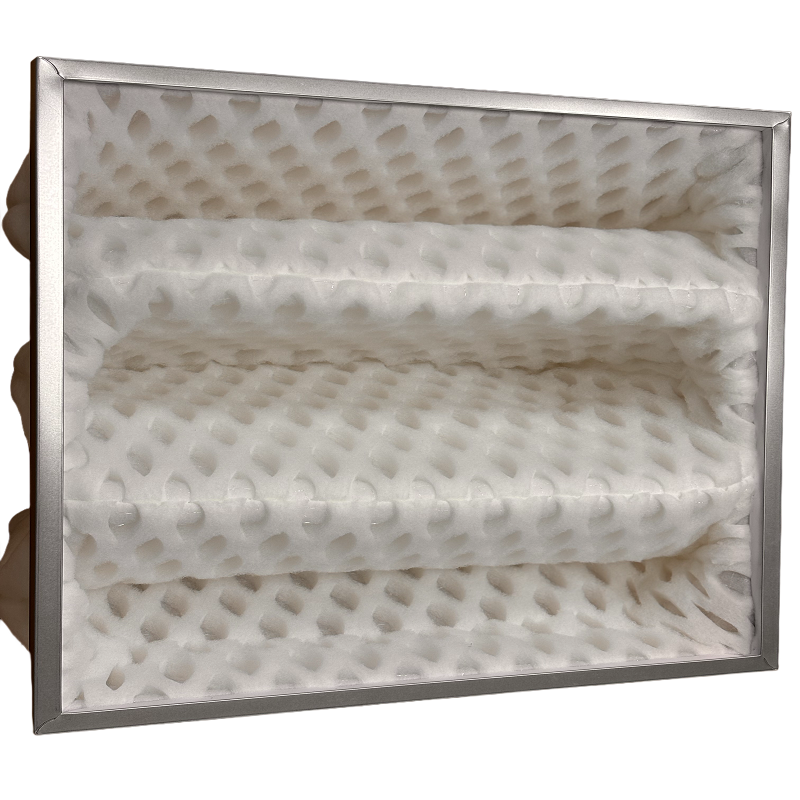
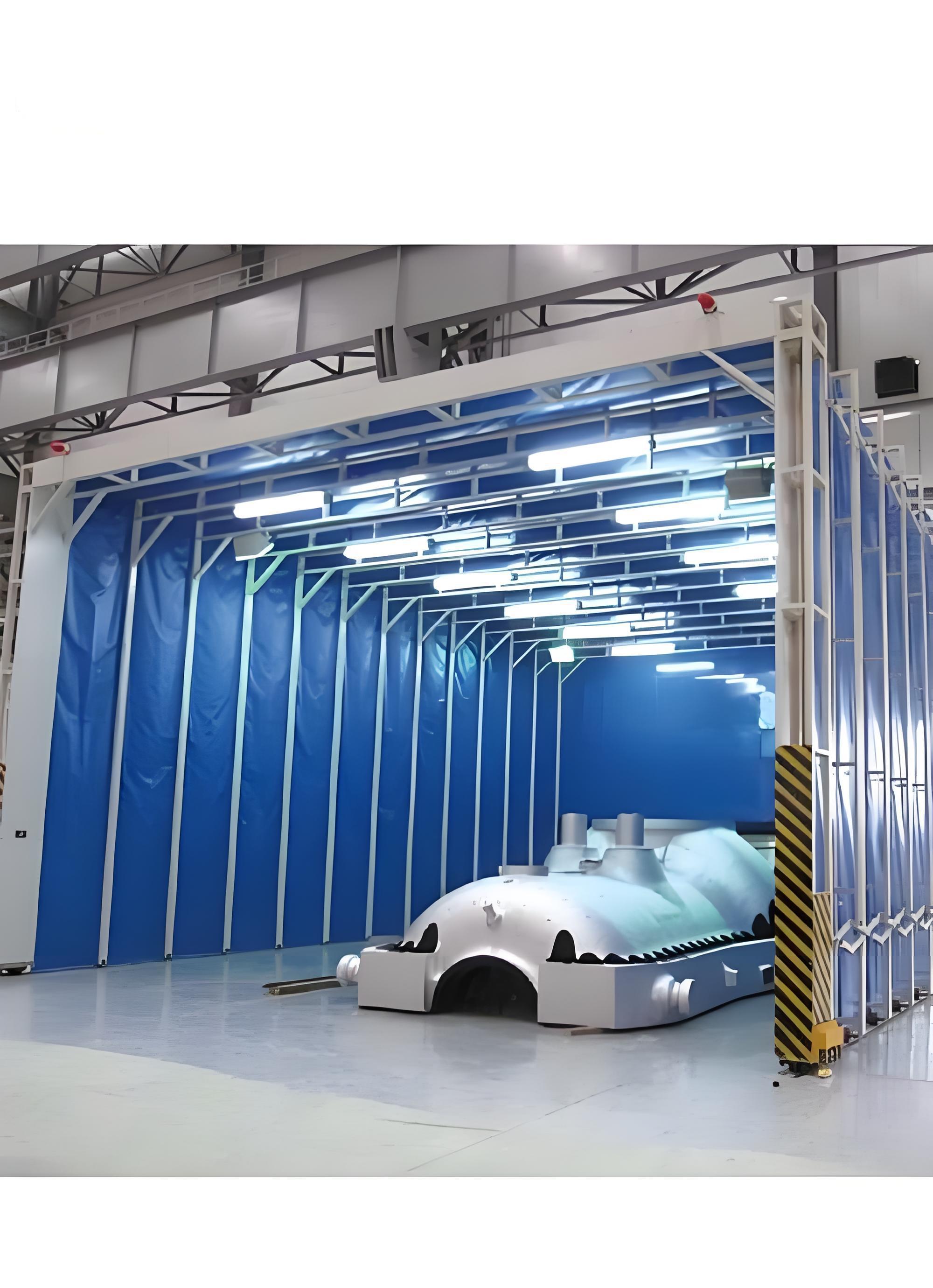
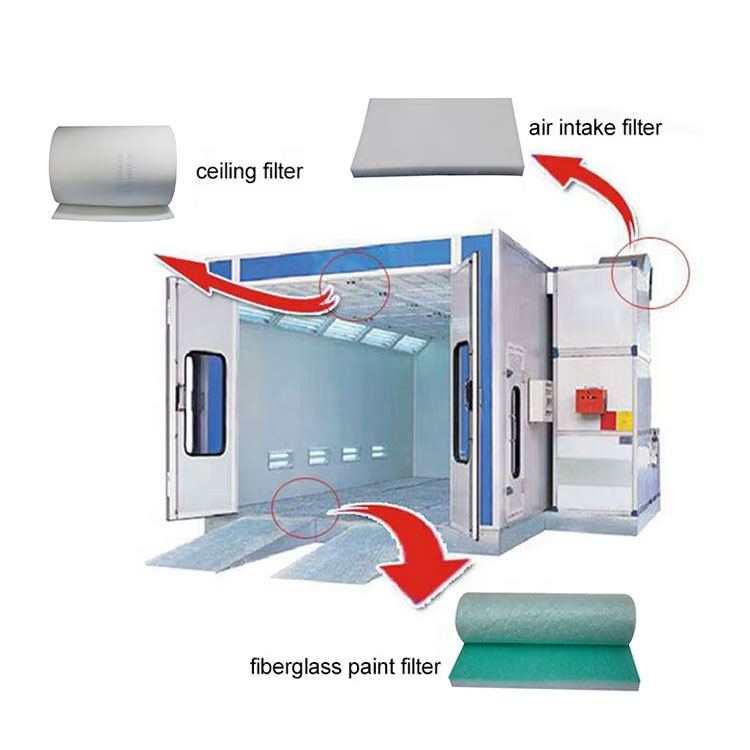
The framework of a high-temperature paint baking room utilizes square tube-welded steel structures, balancing strength and lightweight properties. The top and bottom feature a double-layer composite design: the top layer includes ceiling filter cotton and support frames for air purification and uniform airflow distribution, while the bottom is equipped with steel grid platforms and brackets to ensure efficient exhaust discharge. This dual-channel layout enhances ventilation efficiency, prevents residual paint mist, and maintains a clean working environment.
2、Enclosure Materials: Dual Assurance of Insulation and Durability
The enclosure is constructed with EPS (expanded polystyrene) one-molded double-sided color steel sandwich panels. Internal filling materials include polystyrene, flame-retardant polystyrene, or rock wool, with thickness options ranging from 50mm to 150mm to meet varying insulation needs. The outer color steel plates have a thickness of 0.25mm–0.75mm and are available in sky blue, orange-red, or white, combining aesthetics with corrosion resistance. This composite material effectively isolates external temperature interference and extends equipment lifespan.
3、Chamber Components: Efficient Quadruple Integration
The core chamber adopts a modular design, integrating four key components: a burner, heat exchanger, fan, and air damper. Precision welding ensures seamless collaboration among these parts, enabling rapid heat transfer and controlled air circulation. Such an integrated structure reduces mechanical redundancy, lowers maintenance costs, and flexibly adapts to production demands of different scales.
4、Filtration System: Multi-Layer Purification for Operational Safety
Air purification occurs in two stages: primary filtration uses high-density pre filter media cotton to intercept large particles, while high-temperature environments employ a combination of glass fiber filter and M-type activated Carbon Filters to adsorb volatile organic compounds (VOCs) and fine dust. Certain models include an additional single-layer flat-pull glass fiber filter for high-concentration paint mist environments, ensuring compliance with environmental emission standards.
5、Heating System: Multi-Energy Adaptability for Production Needs
The equipment offers three heating solutions: fuel oil burners, waste oil burners, and infrared heating tubes. The first two are ideal for continuous operations, achieving thermal efficiency up to 90%. Infrared tubes, configured with 12 sets (24 tubes), enable rapid localized heating, particularly suited for small-batch precision spraying. Users can select options based on energy budgets and process requirements.
6、Air Supply System: Balancing Low Noise and High Airflow
Equipped with two dual-inlet centrifugal fans, each with a power rating of 3kW or 4kW, the system supports multi-speed airflow adjustment. Its low-noise design keeps operational sound pressure below 65 dB while maintaining an airflow capacity of 8,000–12,000 m³/h, ensuring uniform paint curing and preventing issues like bubbles or sagging.
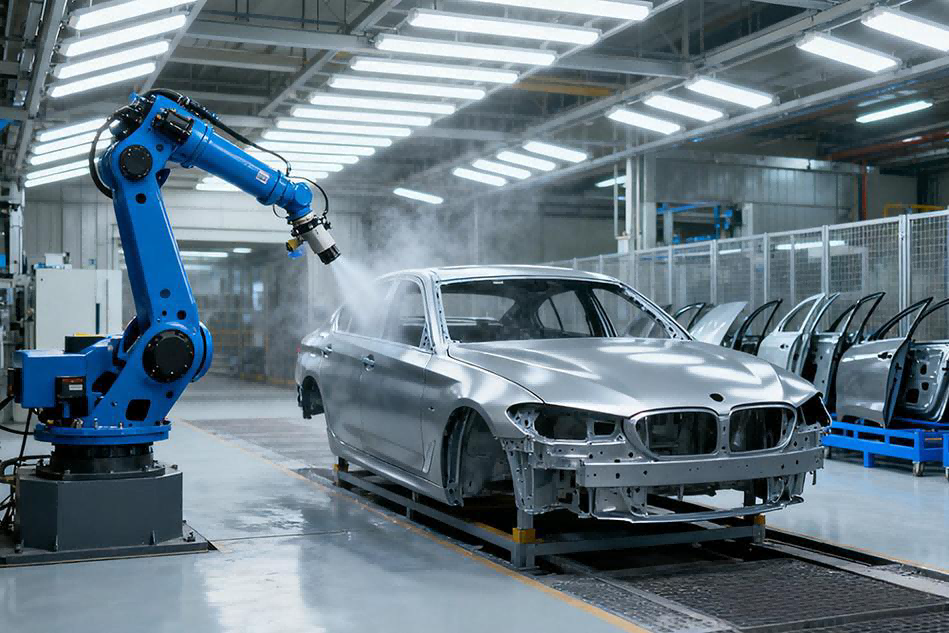
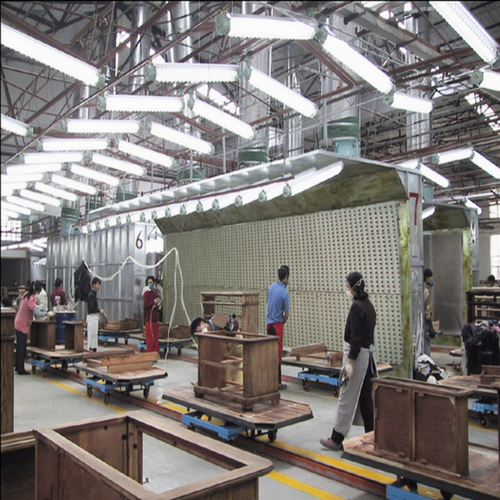
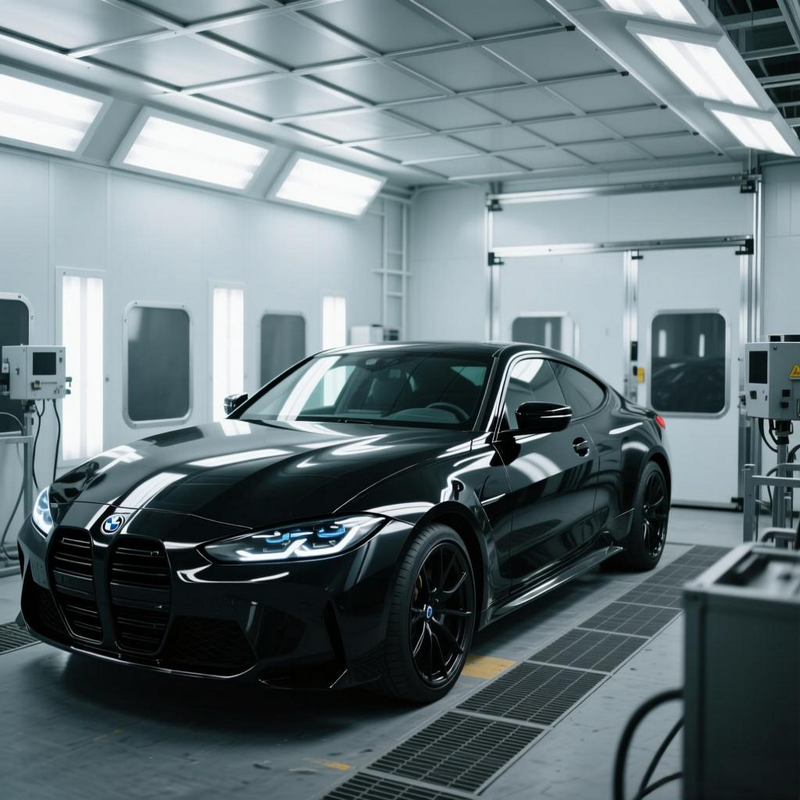
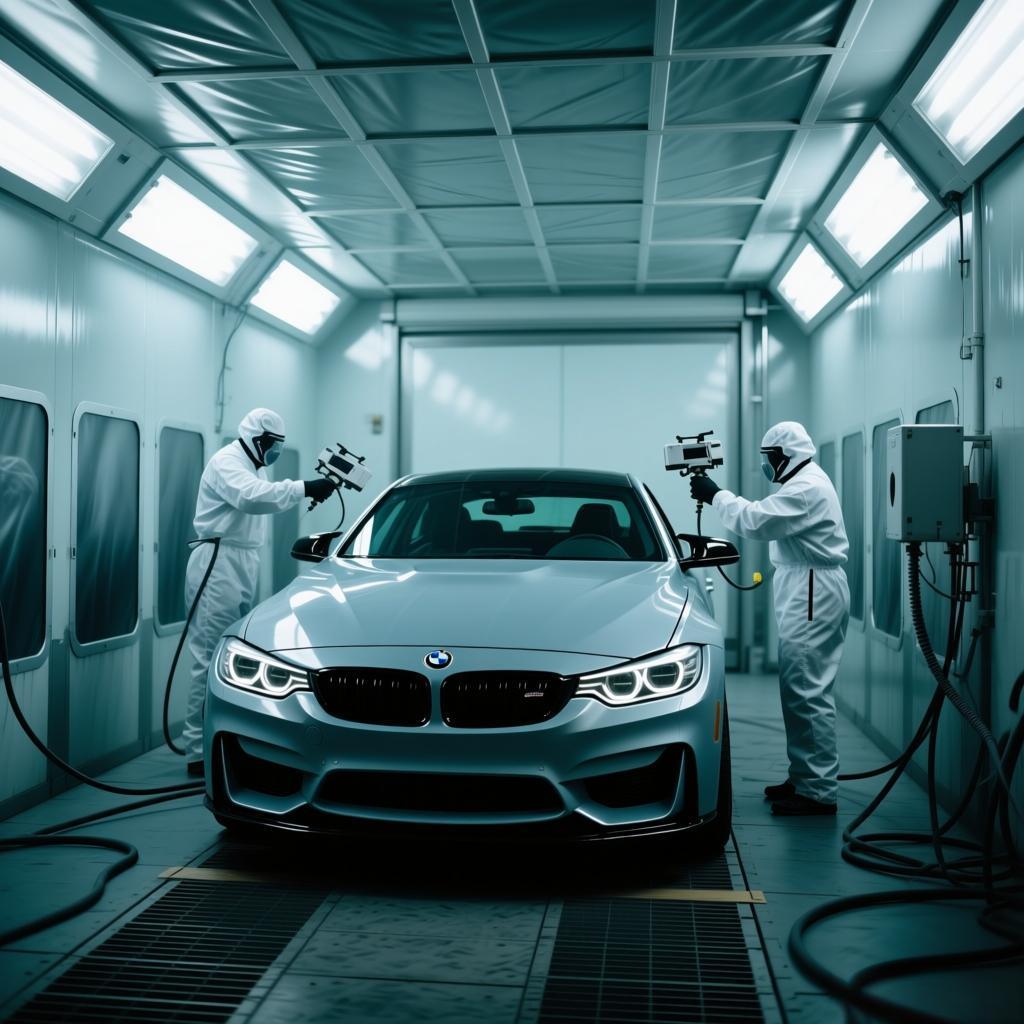
High-temperature paint baking rooms excel in energy conservation, low failure rates, and environmental performance through structural simplification and technological innovation. Their modular design and versatile configurations make them adaptable to automotive manufacturing, furniture coating, industrial equipment refurbishment, and other scenarios, positioning them as a reliable and efficient solution in modern coating processes.