

Multi-field Applications and Technical Analysis of Spray Booth Filter Media
Core Application Fields
Industrial Coating Sector
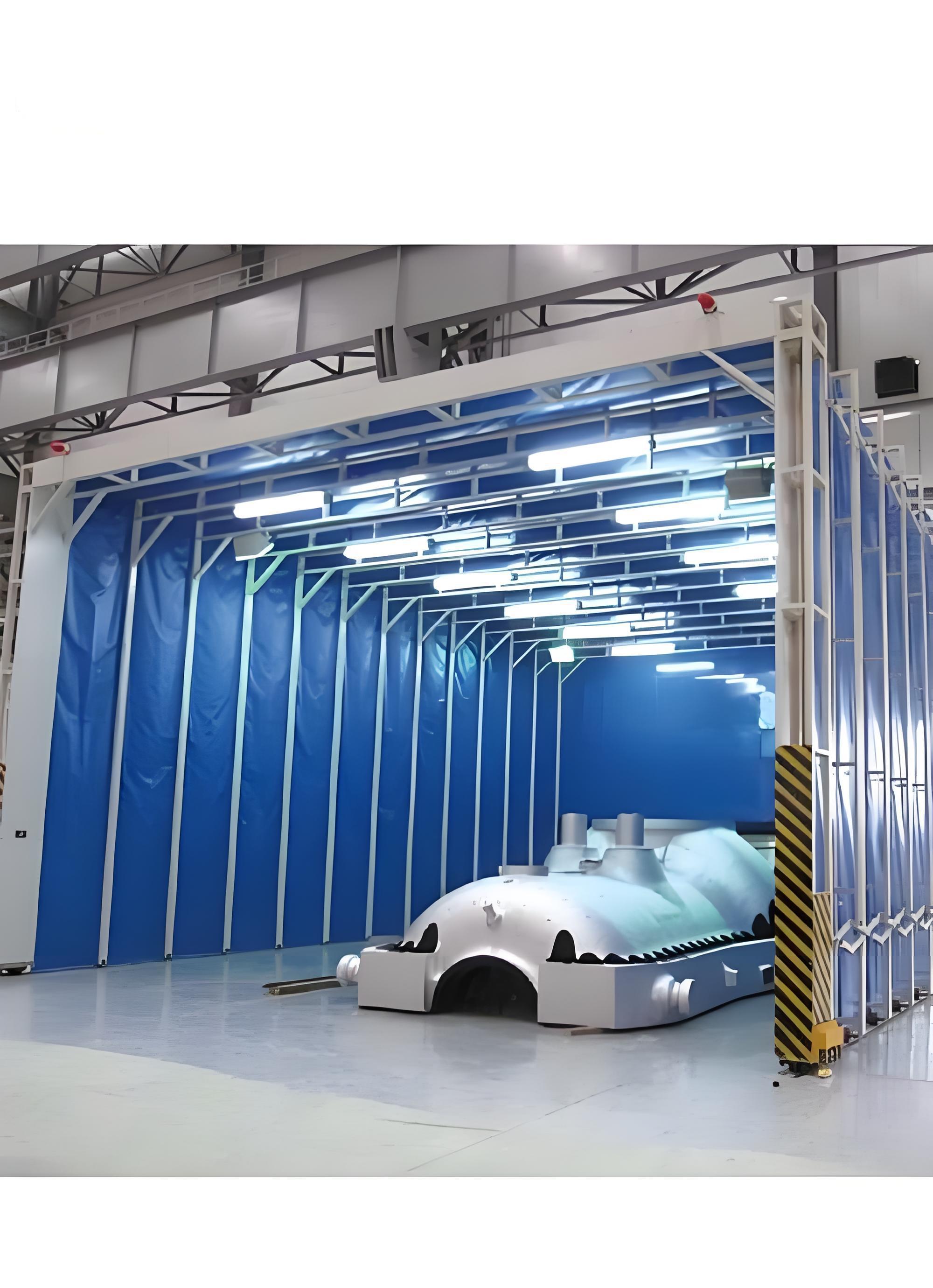
During surface treatment processes for metal products, mechanical equipment, and other industrial goods, this material effectively intercepts 90% of airborne paint mist particles. Its multi-layered fiber structure significantly enhances spray cleanliness while ensuring compliance with occupational health standards.
Automotive Manufacturing
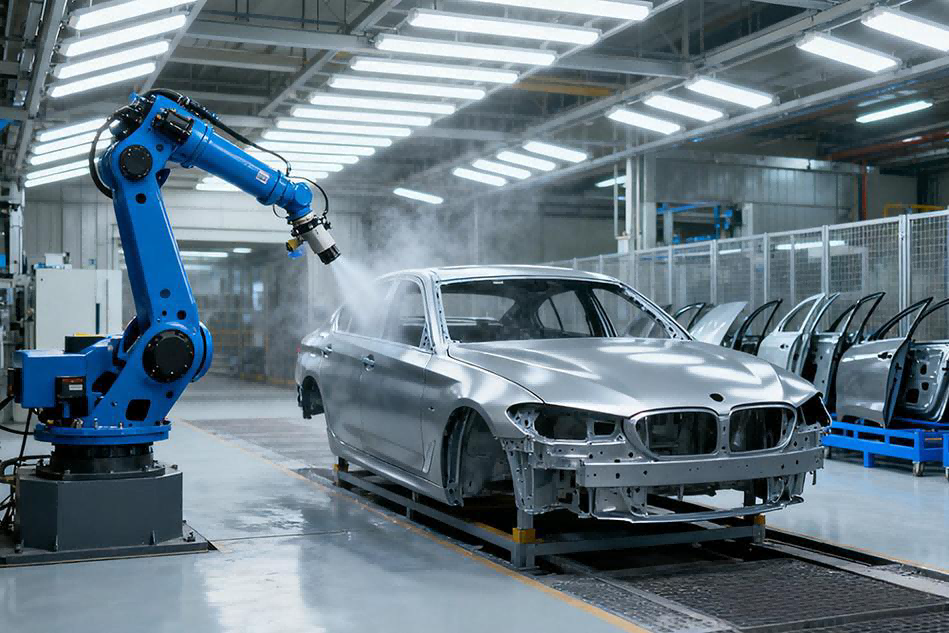
Modular filtration systems in automotive paint shops integrate high-performance Filter Media as core components. These systems employ a three-stage filtration mechanism (primary-medium-final) to remove volatile organic compounds (VOCs) from coatings, achieving environmentally compliant emissions.
Automotive Aftermarket Services
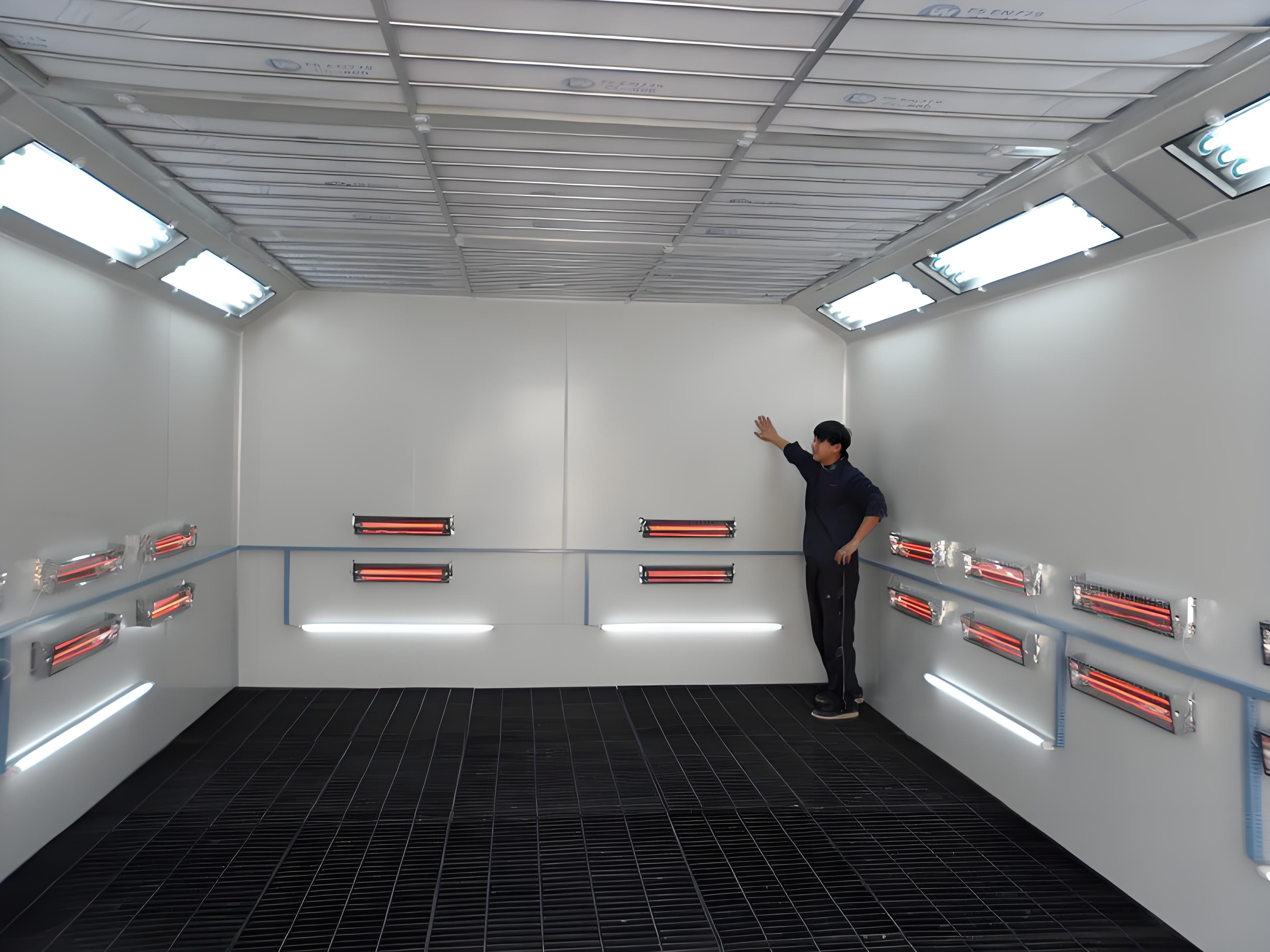
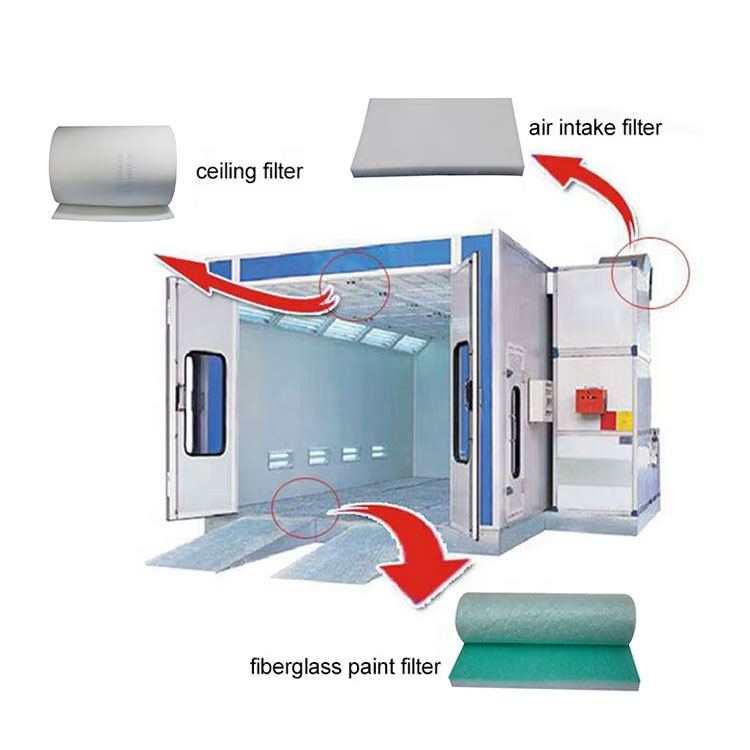
In collision repair and refinishing operations, specialized filtration units utilize progressively densified Filter Materials to simultaneously capture solvent vapors and particulate matter. Typical configurations include side-intake filtration modules and ceiling airflow homogenization systems, maintaining airborne particle levels below 5mg/m³.
Extended Industrial Applications
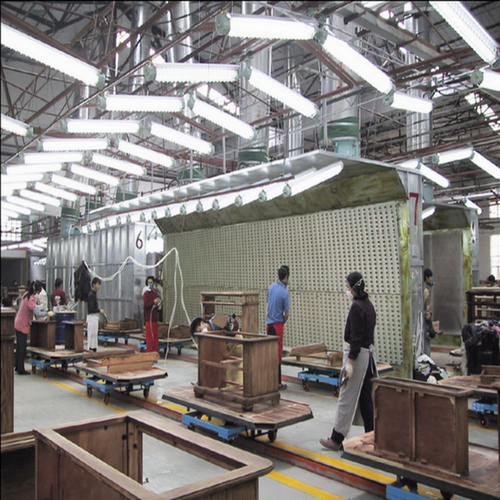
Industries such as woodworking and metal casting increasingly adopt this technology. For instance, anti-static treated glass fiber composite filter media in furniture electrostatic spray processes mitigates explosion risks while extending equipment service life.
Material Properties and Selection Guidelines
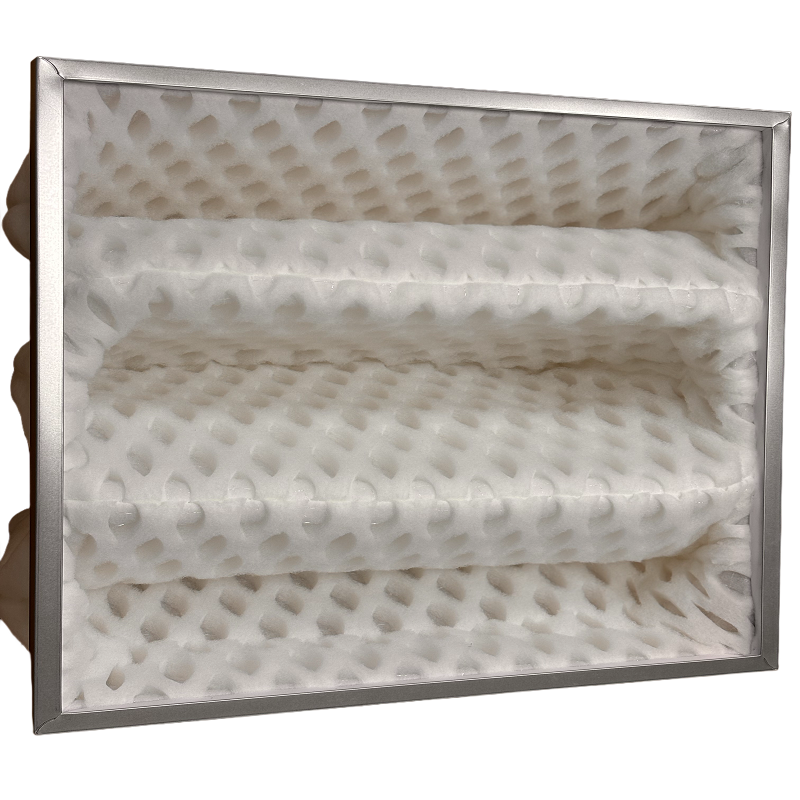
Modern Spray Booth Filtration Systems leverage gradient density technology, combining polyester fibers and activated carbon to form progressively denser filtration layers. Key product variants include:
Primary Interception Type : For fresh air intake pre-filtration
Paint Mist-Specific Type : Installed in baking oven exhaust sections
High-Temperature Glass Fiber Type: Applied in electrophoretic coating lines
Installation and Maintenance Protocols
A three-stage filtration architecture is standard:
Primary Layer: Installed at air intake grilles, replaced quarterly
Airflow Equalization Layer: Fire-resistant ceiling-mounted panels
Final Filtration Layer: Positioned upstream of exhaust ducts, equipped with differential pressure monitoring
Through systematic maintenance cycles (e.g., primary layer replacement every 200 operating hours), overall filtration efficiency remains above 85%. Regular airflow monitoring using differential pressure gauges prevents paint mist leakage, ensuring workspace PM2.5 concentrations stay within 15μg/m³ safety thresholds.