




Stability of Fresh Air Volume in Cleanroom Engineering Becomes Industry Focus, Intelligent Control Measures Solve the Challenge
In high-tech industries such as precision manufacturing and biopharmaceuticals, the environmental stability of cleanrooms is directly related to product quality and production safety. Recently, industry experts pointed out that fresh air volume, as the "lifeline" of cleanroom environmental control, has become a key indicator for measuring the quality of cleanroom engineering projects.
Fresh Air Volume: The "Regulator" of the Cleanroom Environment
Cleanroom engineering is a complex systematic project, wherein the stability of air cleanliness and pressure differentials is crucial. Professional engineers explain that fresh air is not only essential for maintaining the respiratory health of personnel inside the room but also a core element for balancing the cleanroom's temperature, humidity, and pressure differentials.
"Fresh air acts like the 'regulator' of the cleanroom environment," said a technical director from a well-known purification engineering company. "In winter, it serves as a cooling source; in summer, it becomes the source for dehumidification. This dual role determines its critical position in environmental control."
According to industry practices, determining the fresh air volume for a cleanroom requires considering multiple factors. Beyond meeting the basic breathing needs of personnel, it must also compensate for equipment exhaust, maintain positive pressure, and ensure the minimum fresh air ratio for the HVAC system. The complex interaction of these factors makes fresh air volume control a technical challenge.
Stability Assurance: Comprehensive Innovation from Equipment to Systems
Facing the common industry challenge of ensuring fresh air volume stability, leading companies have begun seeking breakthroughs from both equipment upgrades and system optimization perspectives.
At the equipment level, dedicated fresh air handling units are becoming industry standard. These units can perform deep treatment of fresh air, including multi-stage filtration and precise temperature and humidity control, bringing the fresh air to a stable "machine dew point" before it enters the main HVAC system.
In terms of system control, intelligent solutions are revolutionizing traditional control methods. By installing Constant Air Volume (CAV) valves, Variable Air Volume (VAV) valves, and differential pressure sensors, coupled with advanced PID control algorithms, the system can perceive environmental changes in real time and automatically adjust the opening of fresh air and return air dampers.
"Modern cleanroom fresh air control systems already possess self-adjusting capabilities," described an automation control system engineer. "When sensors detect that the positive pressure deviates from the set value, the system responds immediately, precisely adjusting the fresh air supply. The entire process is fully automated."
Future Outlook: Full Lifecycle Management Becomes a Trend
With technological advancement, cleanroom fresh air volume control is developing towards full lifecycle management. A complete assurance system is being formed, spanning from initial design calculations, to airtightness assurance during the construction phase, intelligent regulation during operation, and regular validation during the maintenance period.
Industry experts emphasize that excellent sealing engineering is the foundation for ensuring fresh air volume stability. All duct connections, door and window gaps, and wall penetration points must undergo professional-grade sealing treatment to minimize uncontrollable air leakage factors.
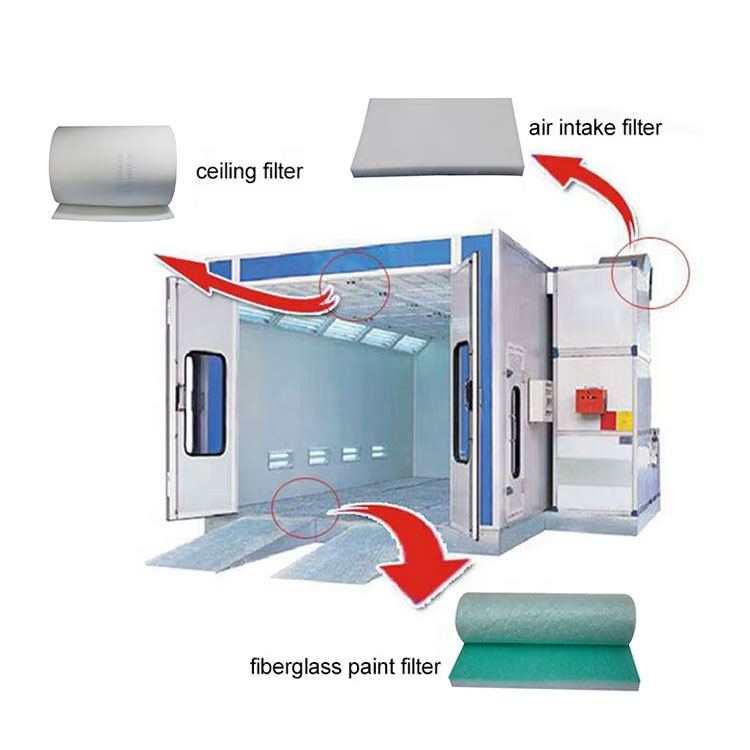
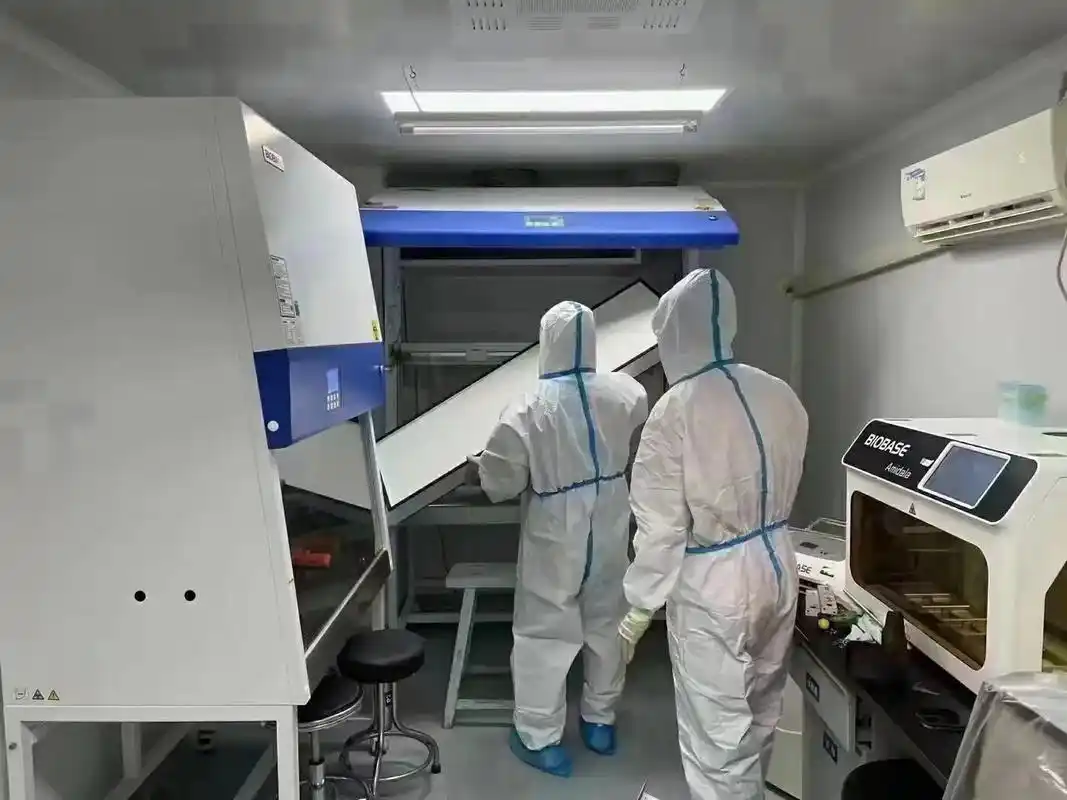
Regular maintenance is equally indispensable. Technicians need to replace Air Filter (Pre filter/Medium Filter/HEPA filter )on schedule, calibrate sensors, and perform air volume balance tests to ensure the entire system is always in optimal working condition.
"Cleanroom environmental control is a dynamic process," summarized an industry expert. "Only by organically combining precise design, reliable equipment, intelligent control, and strict maintenance can comprehensive protection for fresh air volume stability be provided, thereby laying a solid foundation for the development of high-tech industries."
As various industries continue to increase their requirements for production environments, cleanroom fresh air volume control technology is expected to continue innovating, providing more reliable environmental guarantees for product quality upgrades.