





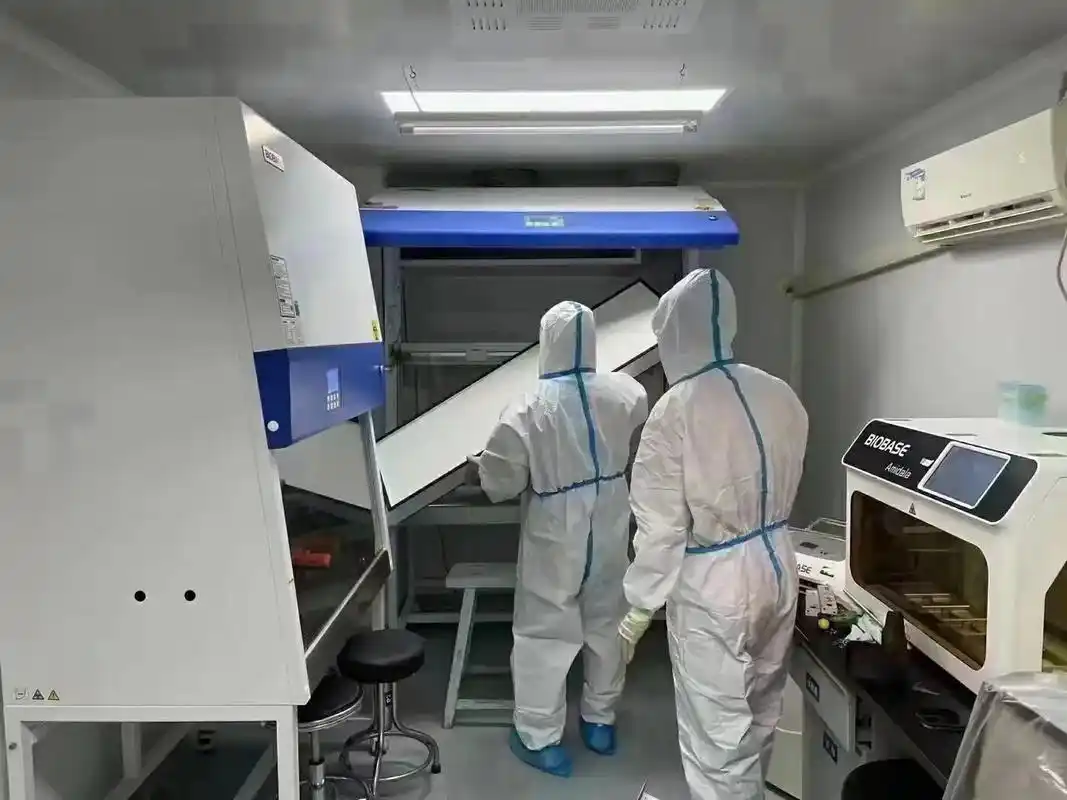
The function of various air filter media in the paint booth
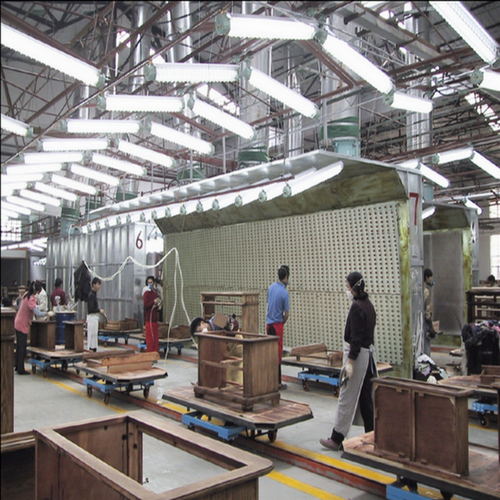
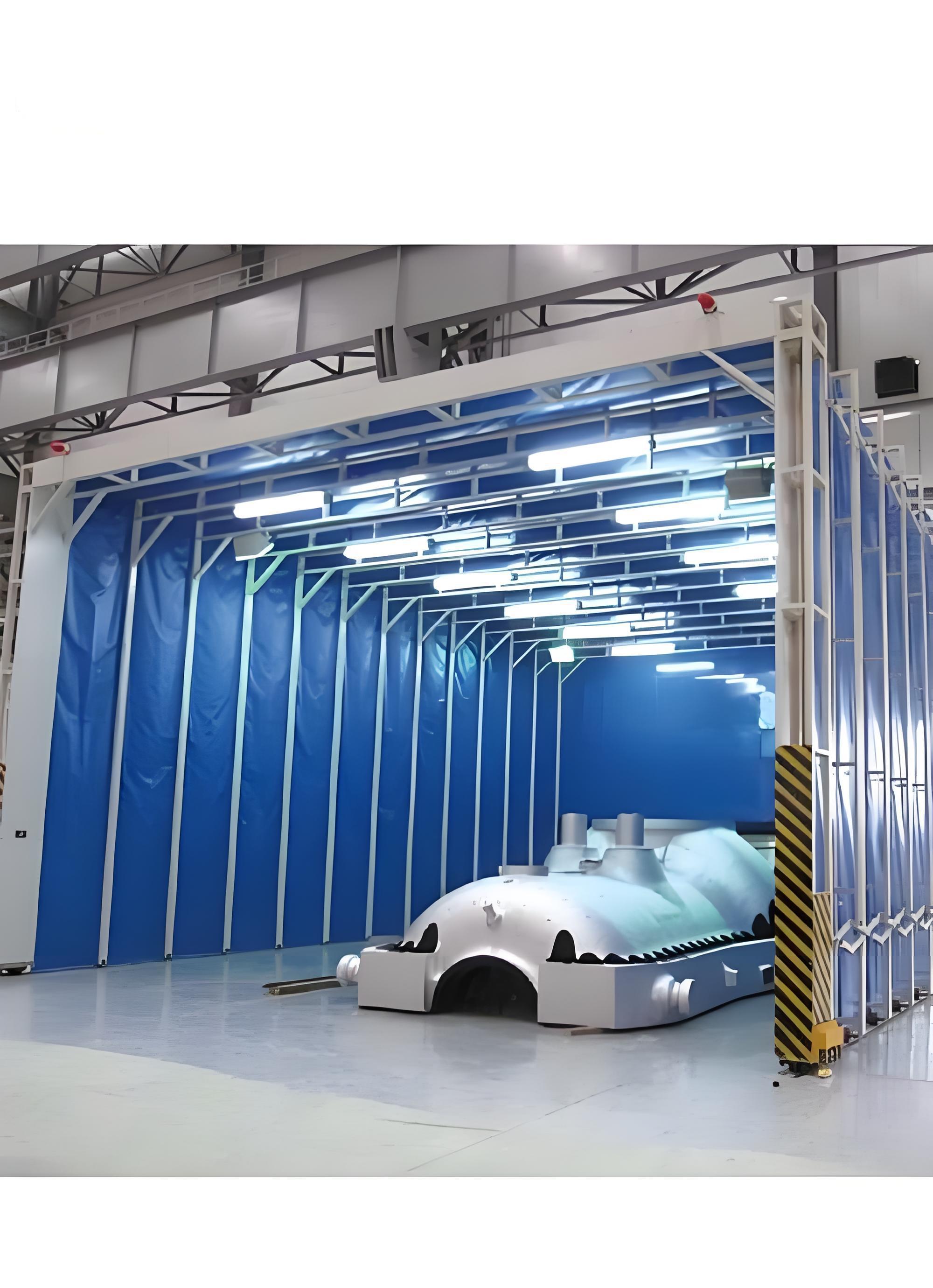
With the increasing national emphasis on environmental protection, the emission issues from the essential painting processes in manufacturing have drawn growing attention. The working environment for painting has seen significant improvements, with most operations now equipped with spray booths. Currently, there are two primary bottom structures used to treat exhaust gases from spray booths:
One involves laying fiberglass floor filter(dry method),
The other employs water vortex or water curtain systems (wet method).
Both methods require subsequent treatments such as activated carbon adsorption or incineration before the exhaust can be released into the atmosphere. Likely due to the relatively lower cost of dry spray booths and the absence of wastewater treatment needs, small and medium-sized enterprises (SMEs) and widespread 4S shops—which typically handle small-scale painting—mostly use dry spray booths, whereas large and medium-sized enterprises, such as automobile manufacturers, opt for wet spray booths. As a result, the market demand for filter bottom mats is substantial, making research into reducing their usage economically and environmentally beneficial.
- The Role of Fiberglass floor filter
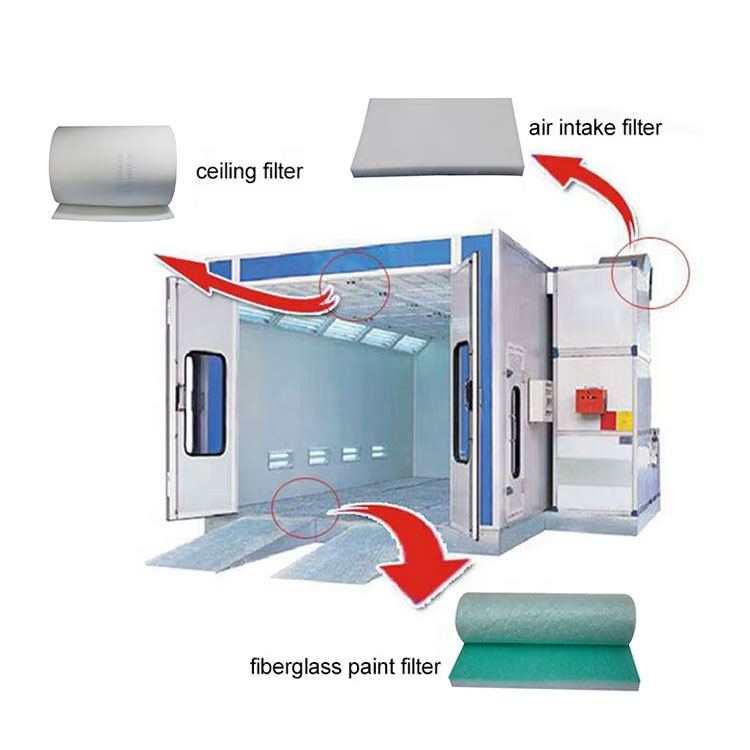
Dry spray booths utilize three types of filters:
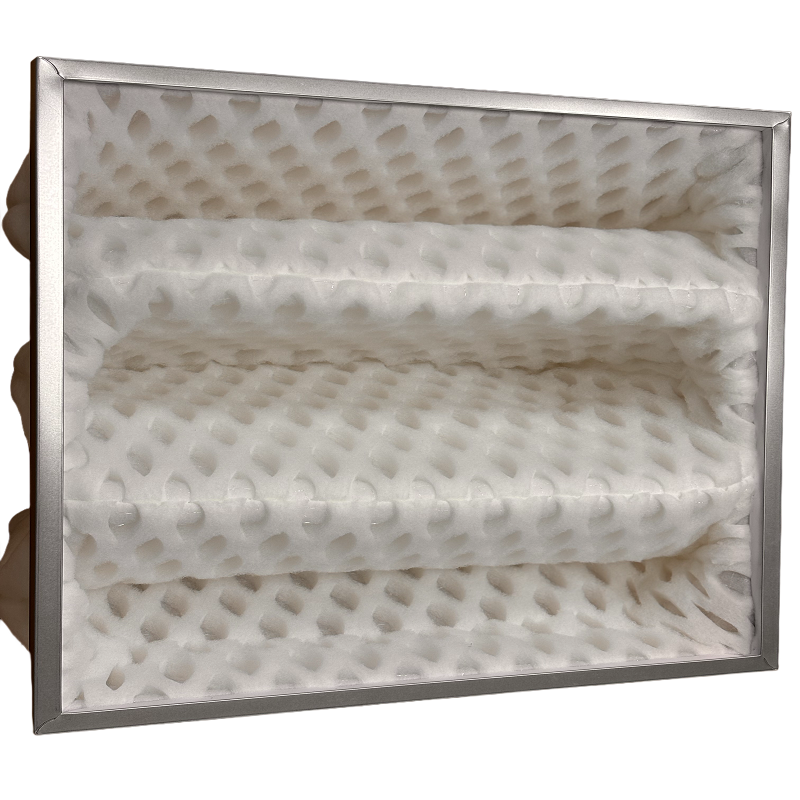
The first is the pry filter media (non-woven fabric), used for coarse filtration at the spray booth's air intake.
The second is the top filter/ceiling filter ( 600G, 560G), used for fine filtration in the booth's top air supply, with a filtration rating of F5 (DIN 24185).
The third is the exhaust paint stop filter (fiberglass), which captures remaining particles before air exits the booth, ensuring compliance with environmental standards. This multi-layer filtration system enhances air quality and paint finish quality, prolonging equipment lifespan.
The floor filter consists of high-strength continuous monofilament fiberglass arranged in a dense-sparse structure. Its filtering fibers are designed to trap paint mist and dust particles, initially capturing paint mist while maintaining good air permeability. However, over time, as paint particles accumulate and saturate the fibers, the mat loses effectiveness. Typically, the dust-holding capacity of a filter bottom mat is about 4 kg/m².
After filtration, the exhaust gases require treatment with activated carbon to adsorb organic solvent vapors before they can meet emission standards. Activated carbon relies on its dense structure and microporous surface to adsorb organic solvent emissions. Without the filter bottom mat to capture sticky paint mist particles, these particles would directly clog the activated carbon's pores, causing it to fail prematurely or even rendering it ineffective. Thus, the filter bottom mat is an essential consumable for ensuring compliant emissions in dry spray booths.
- Replacement and Disposal of fiberglass floor filter
When first installed, the filter bottom mat offers excellent ventilation, with a resistance of around 20 Pa. Over time, as paint particles accumulate on its surface and within its fibers, air permeability decreases, and resistance increases. Once the resistance reaches approximately 300 Pa, the mat must be replaced. Otherwise, exhaust efficiency will be severely impacted, causing paint mist to disperse within the booth and contaminate its walls and other products.
Replacing floor filter is labor-intensive, and determining the optimal replacement frequency can be challenging. According to relevant national regulations, used filter mats—containing long glass fibers and paint residue—are classified as hazardous waste and must be sent to licensed facilities for specialized disposal, at a cost of 3,000 RMB per ton.