Best Ceiling Filter Solutions for Global Buyers in 2026?
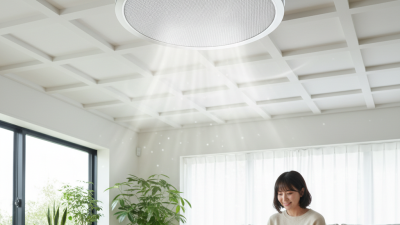
In the evolving landscape of air purification, the demand for effective Ceiling Filter solutions is increasing. As global buyers prepare for 2026, understanding these filters' functionalities becomes crucial. Ceiling Filters play a vital role in enhancing indoor air quality, making them an essential choice for various settings.
Innovations in ceiling filtration technology are emerging, offering better efficiency and reliability. Notably, the shift towards eco-friendly materials is noteworthy. Buyers need to consider not just performance, but also sustainability. Many filters, however, come with maintenance challenges. Understanding these complexities is important for sound purchasing decisions.
Furthermore, the market is expansive but can be overwhelming. Buyers often encounter diverse options that may lack detailed specifications. Recognizing reputable brands and reliable suppliers is key. Buyers should stay informed about test results and certifications. This knowledge can help in making educated choices for ceiling filter needs.
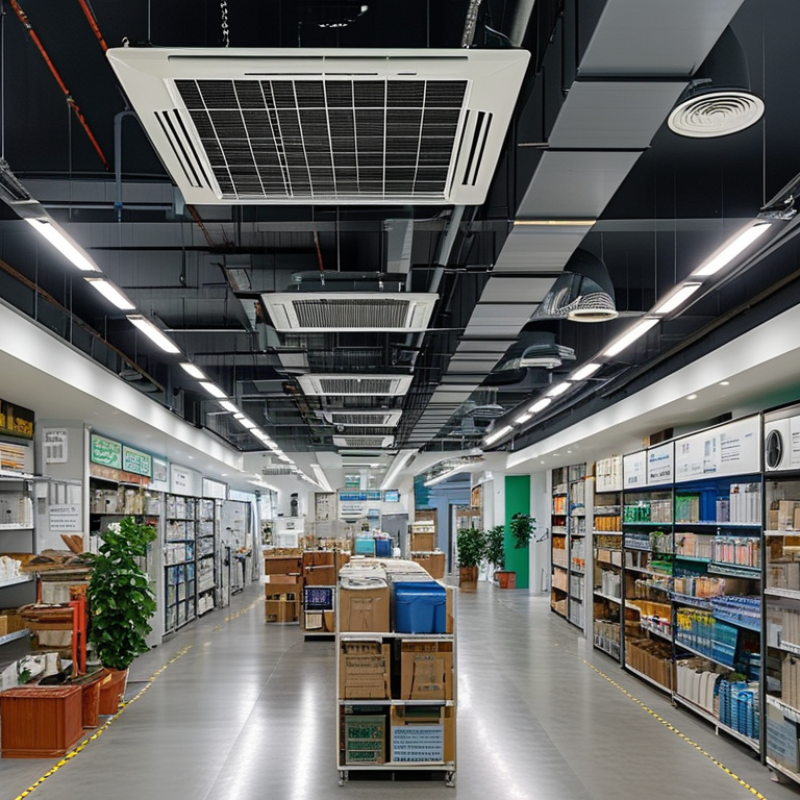
Overview of Ceiling Filter Technologies in 2026
In 2026, ceiling filter technologies are evolving rapidly, addressing indoor air quality concerns. According to a recent industry report, the global ceiling filter market is projected to grow at a CAGR of 8.2% over the next five years. Ceiling filters are increasingly used in commercial and residential spaces. They offer enhanced filtration and lower maintenance compared to traditional systems.
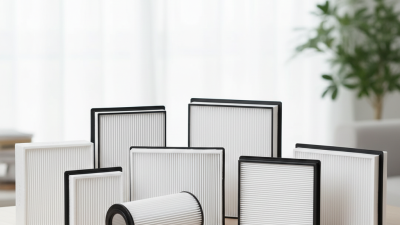
Indoor air quality is crucial for health. Poor air circulation can lead to various health issues. Solutions that incorporate HEPA and activated carbon filters are gaining traction. These technologies trap larger particles and absorb odors. However, not all ceiling filters provide the same level of efficiency. Buyers must carefully evaluate specifications and certifications to ensure reliability.
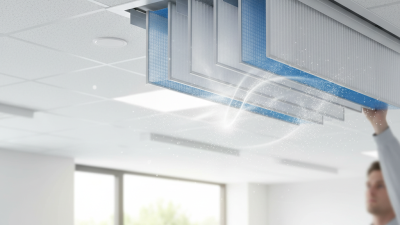
Tip: Regular maintenance of ceiling filters boosts their performance. Clean or replace filters as required. Periodic checks prevent dust build-up and enhance air quality. It's essential to analyze your specific needs. The market offers various options, but personalization may be necessary to achieve optimal results.
Best Ceiling Filter Solutions for Global Buyers in 2026
This chart provides an overview of the projected effectiveness of various ceiling filter technologies in 2026, measured by their filtration efficiency (in percentage) and market adoption rate (in percentage).
Key Factors Influencing Ceiling Filter Selection for Global Buyers
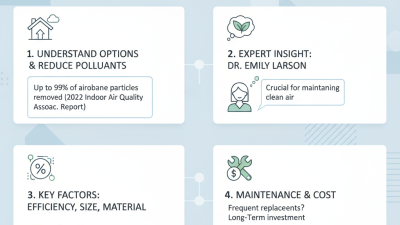
In 2026, the landscape for ceiling filter solutions will significantly shift. Global buyers will face numerous considerations while selecting these essential components. Efficiency stands out as a key factor. Data indicates that energy-efficient filters can reduce operational costs by up to 30%. This creates a compelling case for buyers looking to balance performance and sustainability.
Another critical aspect is maintenance. Filters requiring less frequent replacement can lead to substantial time and cost savings. Research suggests that filters with longer service life improve overall system reliability. Furthermore, integrating smart technology enables real-time monitoring. A study found that 45% of buyers prioritize automation features for enhanced performance tracking.
Material and design will also influence buyer decisions. Advanced materials improve filtration efficiency while reducing weight. Buyers often weigh the initial investment against long-term benefits. A common reflection among industry experts is that many buyers overlook the importance of regulatory compliance. Ensuring filters meet local health standards is crucial. Selecting the right ceiling filter is not solely about immediate cost, but rather about a holistic approach to performance and safety.
Top Manufacturers of Ceiling Filters and Their Innovations
Ceiling filters play a critical role in various environments. They are essential in maintaining air quality and ensuring safety in numerous industries. In 2026, manufacturers are focusing on innovation and sustainability. The push for greener technologies is reshaping filter systems.
Top manufacturers are integrating advanced materials into their ceiling filters. These materials enhance filtration efficiency while reducing energy consumption. Innovations in design are also notable. Sleeker designs not only improve functionality but also contribute aesthetically. Many companies are experimenting with smart technologies, allowing users to monitor filter performance in real time.
Even with these advancements, challenges remain. Some filters may not suit specific environments, leading to inefficiencies. Buyers must consider the specifics of their needs prior to purchasing. Understanding the limitations of each product can prevent costly mistakes. This evolving market requires constant learning and adaptation to ensure optimal indoor air quality.
Sustainability and Environmental Considerations in Ceiling Filters
As the global demand for ceiling filters rises, sustainability cannot be overlooked. Consumers are increasingly aware of environmental impacts. Choosing eco-friendly materials is crucial for reducing carbon footprints. This trend emphasizes recycling and energy efficiency in filter production.
Tips: Look for filters made from recycled materials. Such options often maintain performance while being kinder to the planet.
Another consideration is the lifespan of products. Filters that last longer not only cut waste but also save resources in production. Even so, the industry sometimes struggles with balancing durability and cost. Buyers need to reflect on what truly matters: performance or ecological impact.
When evaluating ceiling filters, check certifications. These indicators assure compliance with environmental standards. This transparency builds trust between buyers and manufacturers. Remember, your choice influences the industry. Prioritize sustainability, and lead by example in responsible purchasing.
Future Trends in Ceiling Filter Designs and Applications
The future of ceiling filter designs is intriguing. In 2026, we may witness
innovative materials that enhance filtration efficiency.
These materials could be lightweight yet durable, capable of capturing fine particulates effectively.
As spaces become more health-conscious, filtration systems will need to address
airborne pathogens. Advanced technologies might allow
real-time monitoring of air quality.
Applications for ceiling filters are expanding beyond traditional uses. In commercial spaces, customized designs will blend seamlessly with aesthetics.
Hospitals and clinics will likely adopt more robust systems to support infection control. Challenges remain, such as balancing effectiveness with
energy efficiency. New designs might require regular maintenance to ensure optimal performance.
Collaboration between designers, engineers, and healthcare professionals will shape the future landscape. However, reliance on technology
raises questions about the need for human oversight. Will advanced systems create complacency in manual checks?
More research is needed to address these issues before widespread adoption. As we look ahead, the focus must not only be on innovation but also on
practical usability in daily environments.