Best Spray Booth Inlet Filters for Maximum Air Quality Efficiency?
In the world of spray booth operations, the quality of the air is critical. Spray Booth Inlet Filters play a vital role in ensuring this air quality. Expert John Smith, a leading authority in air filtration technology, states, "The right filters can significantly enhance work environment and efficiency."
Choosing the best Spray Booth Inlet Filters is not just about compliance. It is about safeguarding health and improving productivity. Filters capture harmful particles, but they also need regular maintenance for optimum performance. Many businesses worry about the costs, often overlooking the long-term benefits of investing in quality filters.
Understanding the different types of filters available is essential. Some filters may provide higher initial efficiency but lack longevity. Others may need frequent replacements, impacting operational costs. Therefore, businesses must weigh these factors carefully. Selecting the right Spray Booth Inlet Filters can lead to better air quality and enhanced worker satisfaction. Still, the process can be confusing. This challenge highlights the need for informed decision-making in filter selection.
Understanding the Importance of Inlet Filters in Spray Booths
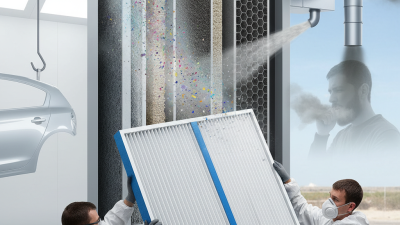
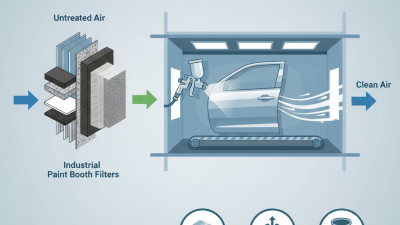
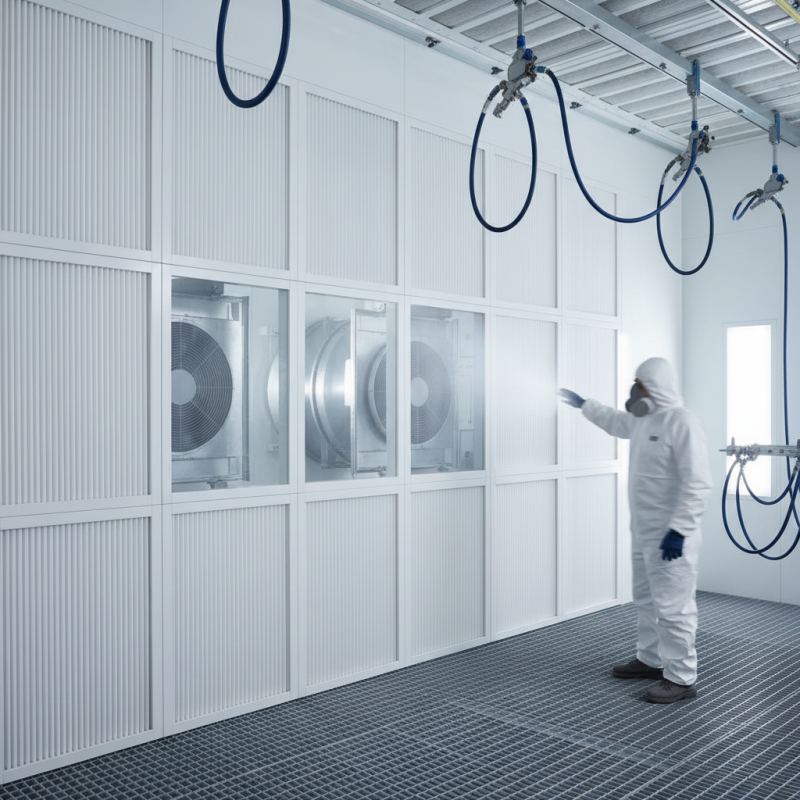
In spray booths, inlet filters play a crucial role in maintaining air quality. They trap harmful particles and ensure clean air flows during operations. Filtering out dust and contaminants helps protect both the workers and the equipment. The efficiency of these filters directly impacts the painting process. Dirty filters can lead to poor finishes and increased costs.
Choosing the right filter is essential. Look for options that match your booth's specifications. They should have a high dust-holding capacity and low initial resistance. Regular checking and replacing filters will also sustain optimal performance. Over time, neglecting filter maintenance can decrease air quality and lead to potential health risks.
Tip: Always inspect filters before starting any job. This can prevent costly errors and ensure a better finish. Don't forget to clean the booth regularly too, as it affects the air quality further. Remember, even minor imperfections in the air can impact the final product. Prioritize air quality in every spray booth operation to achieve the best results.
Types of Inlet Filters for Effective Air Quality Management
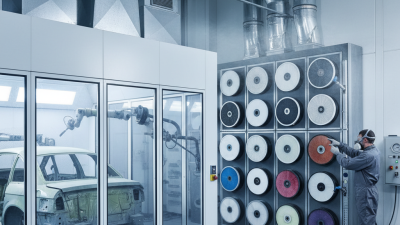
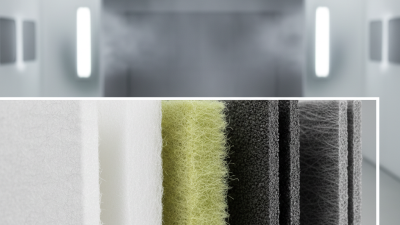
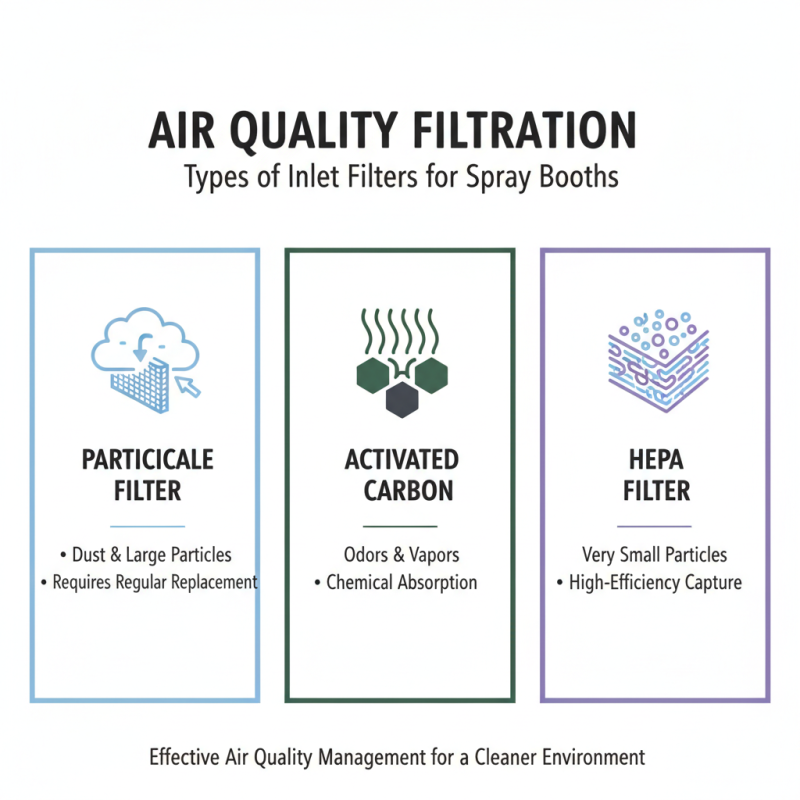
When considering air quality management in spray booths, the type of inlet filters you use can significantly impact efficiency. Several filters come to mind: particulate, activated carbon, and HEPA filters. Particulate filters trap dust and larger particles. They are essential for maintaining a clean environment but may need regular replacements. Activated carbon filters address odors and vapors, offering a vital layer in air quality. HEPA filters, known for their high efficiency, can capture very small particles, ensuring that even the tiniest pollutants are removed.
Each type of filter has its advantages and limitations. For instance, while HEPA filters are highly effective, their cost can be prohibitive for some operations. Regular maintenance and filter changes are also required, which can be resource-intensive. Filters that focus solely on particulate matter may overlook gaseous pollutants. Investing in a combination of filter types may provide a more comprehensive solution for air quality management.
Proper evaluation of your specific needs is crucial. Businesses must consider factors like the scale of operations and budget constraints. Streamlining the filter selection process helps in maintaining efficient air quality. Over time, as operations evolve, reevaluating the choice of filters can lead to improved performance. This ongoing assessment is essential for achieving long-term air quality goals.
Key Features to Look for in High-Quality Inlet Filters
When selecting the best spray booth inlet filters, it's crucial to consider key features that contribute to air quality efficiency. High-quality inlet filters should capture particles effectively, with a minimum efficiency reporting value (MERV) rating of at least 8. Filters with this rating can trap larger particles while allowing clean airflow, promoting a healthier work environment. According to industry studies, using MERV-rated filters can reduce airborne contaminants by over 60%.
Additionally, filter durability is essential. Premium filters are designed to withstand various environmental conditions while maintaining efficiency for longer periods. A reliable filter’s lifespan can vary but typically lasts between 6 to 12 months. Frequent changes can disrupt operations, an aspect that companies often overlook. The cost of downtime can exceed filter replacement costs, highlighting the need for effective filter management.
An aspect that’s often neglected is the filter's compatibility with existing systems. Some filters may fit well but do not function optimally. Regular assessments and modifications can enhance air quality, but they require time and resources that many facilities may not have. In the end, understanding these specifics can significantly impact air quality efficiency in spray booths.
Maintenance Tips for Ensuring Optimal Filter Performance
Maintaining optimal filter performance is essential for achieving the best air quality in spray booths. Filters trap airborne contaminants, ensuring a cleaner environment. Regular inspections are crucial. Over time, filters can become clogged, reducing airflow and compromising efficiency. This can lead to an environment filled with particles, affecting both quality and health.
Cleaning the filters regularly helps in maintaining their effectiveness. Depending on the environment, a monthly schedule might be ideal. Remove filters and check for damage or excessive accumulation of dust. Sometimes, a simple rinse can restore airflow. However, filters that show signs of wear must be replaced promptly. Ignoring maintenance can lead to airborne contaminants worsening over time.
It’s important to note that not all filters perform the same. Some may require more frequent cleaning or replacement than others. Documenting the maintenance schedule can help track this. Keeping a log can reveal patterns or problems not initially apparent. Be proactive about evaluations. Overlooking small issues today can lead to bigger problems tomorrow. Achieving maximum air quality efficiency is a continuous process. Regular attention is key.
Comparative Analysis of Top Inlet Filters on the Market
When selecting inlet filters for spray booths, air quality efficiency is paramount. Recent studies indicate that nearly 70% of air contaminants come from particulate matter. Filters that offer high MERV ratings, such as MERV 13 and above, can effectively eliminate more than 85% of these particles. Utilizing such filters can drastically improve air quality, leading to a healthier working environment.
However, not all filters are created equal. A comparative analysis of various inlet filters reveals significant differences in performance and longevity. For instance, some filters maintain their efficiency longer, which can reduce replacement frequency. It's reported that filters with proper synthetic media outperform traditional fiberglass options, providing better airflow and filtration capabilities. This means less energy consumption and reduced overall costs for businesses.
It’s essential to contemplate maintenance practices too. Some filters may require more frequent changes, increasing operational burdens. A balance between performance and upkeep is crucial. In an industry prioritizing air quality, ensuring that chosen filters align with specific needs and operational setups is vital, yet often overlooked. Regular evaluations can lead to unexpected challenges, prompting organizations to adapt their strategies for optimal performance.