Leave Your Message

China Top Paint Booth Fiberglass Filter Benefits and Applications Explained?

In the realm of industrial painting, the choice of filtration systems is crucial for both quality and efficiency. One prominent solution is the Paint Booth Fiberglass Filter, celebrated for its effectiveness in capturing airborne particles. These filters are designed to enhance air quality within paint booths. This directly impacts the performance of coatings, ensuring a smooth finish and reducing defects.

Utilizing a Paint Booth Fiberglass Filter not only supports a cleaner working environment but also extends the lifespan of equipment. The durability of these filters means less frequent replacements, leading to cost savings. However, one must consider the maintenance required. Regular checks are essential to ensure optimal performance.

While the benefits are clear, some challenges remain. Users might overlook the importance of timely filter changes. This can lead to inadequate filtration and compromised paint quality. Understanding these nuances is vital for achieving the best results in any painting operation.
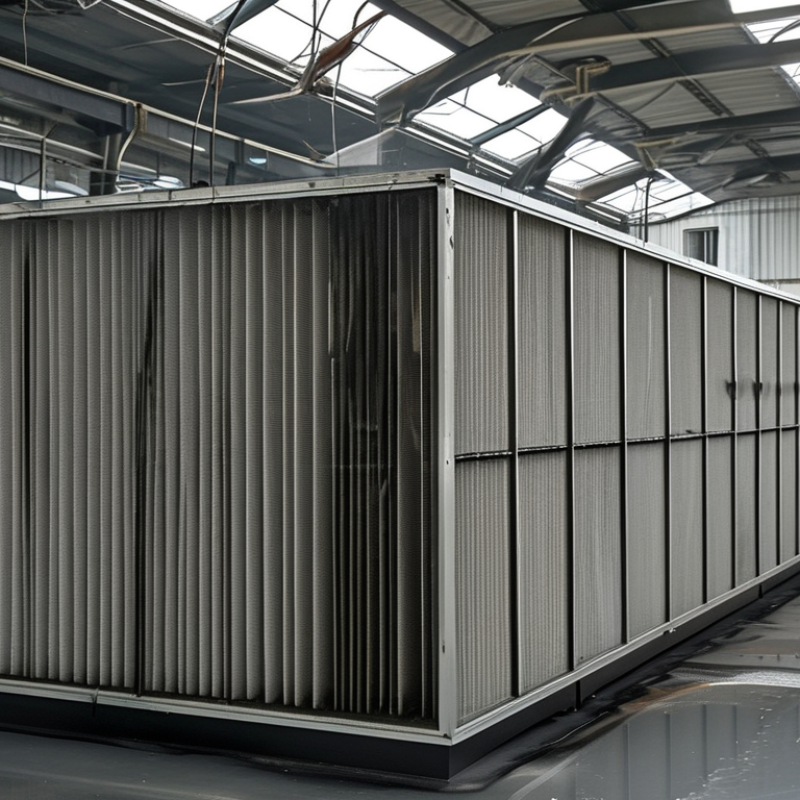
China Top Paint Booth Fiberglass Filter Benefits and Applications Explained?

Benefits of Fiberglass Filters in Paint Booths

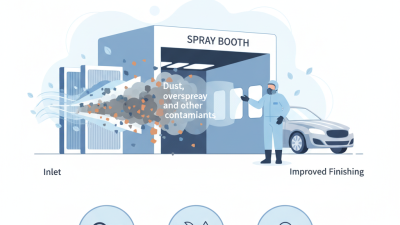
Fiberglass filters play a crucial role in paint booths. These filters help to capture airborne particles and contaminants. A clean work environment is essential for high-quality painting. Fiberglass filters can trap dust, dirt, and overspray effectively. This results in a smoother finish and less rework.

Another aspect is their durability. Fiberglass filters withstand the harsh conditions often found in paint booths. They can handle high airflow rates without significant clogging. As a result, they maintain consistent performance over time. However, they do require regular monitoring and replacement. Neglecting maintenance can lead to inefficient filtering.

In addition to efficiency, fiberglass filters are often cost-effective. Their performance can reduce waste and save on materials. This provides a better return on investment for businesses. Despite these benefits, it's important to educate users on proper installation techniques. Misalignment can decrease the effectiveness of these filters. Learning these nuances can enhance performance significantly.
Applications of Fiberglass Filters in Various Industries

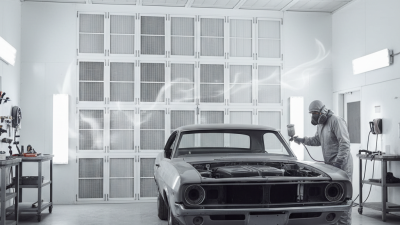
Fiberglass filters play a crucial role in multiple industries, providing essential solutions for air and liquid filtration. In automotive manufacturing, these filters ensure paint booths maintain a clean environment. A recent report indicates that high-efficiency filters can improve paint finish quality by up to 30%. This is a significant factor in reducing waste and rework costs.

In the aerospace sector, fiberglass filters are vital. They protect sensitive parts during the assembly process. These filters can capture particles as small as 0.5 microns. The result? A cleaner working atmosphere, leading to better overall product quality. However, the effectiveness of these filters can be compromised if not replaced regularly.

Tips: Regular maintenance of fiberglass filters is crucial. Neglect can lead to increased energy costs and lower filtration efficiency. Always monitor the pressure drop across the filters. This simple action can save both time and money in the long run. Consider training staff to recognize when filters need changes.

Fiberglass filters also find applications in food processing. They help maintain air quality in food production areas. Inadequate filtration can lead to food contamination. This issue highlights the importance of quality filters in maintaining safety standards. As industries evolve, better filtration technologies must be explored.

Comparison of Fiberglass Filters and Other Filter Types

Fiberglass filters stand out in various applications. Their efficiency in capturing particles makes them popular in paint booths. These filters can trap dust and overspray effectively. They offer a higher dirt-holding capacity compared to paper filters. This means less frequent changes, saving time and money.

In comparison with other filter types, fiberglass filters have unique advantages. Unlike synthetic filters, they allow better airflow while maintaining filtration quality. This balance is crucial in paint booths, where equipment performance is vital. However, these filters may not perform well in extremely humid conditions. In such environments, other types like activated carbon filters might be more effective.

Choosing the right filter depends on specific needs. Fiberglass filters excel in dry conditions, while other options may suit different situations better. Understanding these differences is key to optimizing performance. Ultimately, it's about assessing your environment to maximize efficiency and cost-effectiveness.

Maintenance Recommendations for Fiberglass Filters

Maintaining fiberglass filters in paint booths is essential for optimal performance and longevity. Regular maintenance prevents clogging and ensures proper airflow, which can improve paint quality. A study by the Paint and Coatings Industry Journal notes that well-maintained filters can extend their lifespan by 30%. This is significant for companies aiming to reduce operational costs.

Filters should be inspected frequently. Look for signs of wear or saturation, as these can hinder efficiency. A simple visual check can reveal deep deposits or discoloration. Manufacturers recommend changing filters at least every 30 days, but this can vary based on usage intensity. The American Society for Testing and Materials (ASTM) suggests tracking airflow changes as an indicator for when to replace filters.

Cleaning should be done cautiously. Some filters can be washed, but improper techniques can damage them. Consider using low-pressure air or specialized vacuum systems to avoid tearing the fiberglass. As maintenance schedules may vary, keeping records of filter changes and cleaning activities can help identify patterns of filter performance over time. This attention to detail ultimately safeguards both the equipment and the paint quality achieved in the booth.

Environmental Impact of Using Fiberglass Filters in Paint Booths

Fiberglass filters play a crucial role in reducing environmental impact in paint booths. These filters capture airborne particles generated during the painting process. As a result, they help minimize emissions that could harm air quality. Less airborne paint translates to safer working conditions for employees and healthier environments for nearby communities.

Using fiberglass filters can also promote efficient paint booth performance. They enable a smoother airflow, which can lead to better paint application. However, it’s vital to regularly monitor these filters. Over time, they can become clogged or ineffective. Neglecting maintenance could compromise both efficiency and environmental benefits.

While fiberglass filters significantly reduce pollutants, there are potential issues to consider. Disposal of used filters must be handled carefully to avoid creating additional waste. Not all facilities may have the resources to manage this properly. Reflecting on these challenges is essential in the journey toward greener practices in industrial painting.