2026 Best Paint Spray Booth Filters for Efficient Use?
In the dynamic environment of paint spray booth operations, selecting the right filters can significantly impact efficiency. Recent industry reports indicate that improper filtration can lead to a 20% loss of material, affecting overall productivity. The importance of high-quality Paint Spray Booth Filters cannot be overstated.
Experts, like Dr. Emily Carter, a leading authority in industrial filtration, emphasize, "Effective filtration is crucial for both safety and quality." This insight highlights the dual role of filters. They not only capture contaminants but also ensure a clean environment for paint application.
The market for Paint Spray Booth Filters is evolving. With advancements in technology, new materials are emerging. However, challenges remain. Many businesses struggle to keep up with these changes, impacting their performance. It is crucial to adapt and review filter choices regularly to maintain standards and improve workflow efficiency.
2026 Overview of Paint Spray Booth Filter Types and Their Efficiency
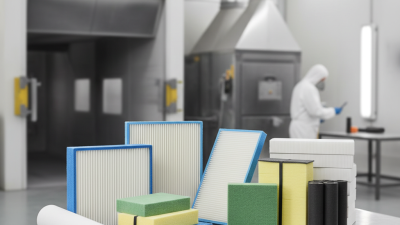
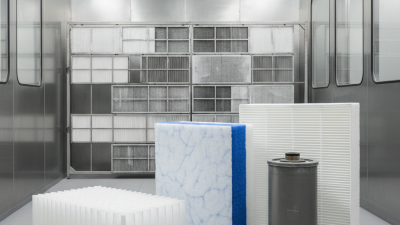
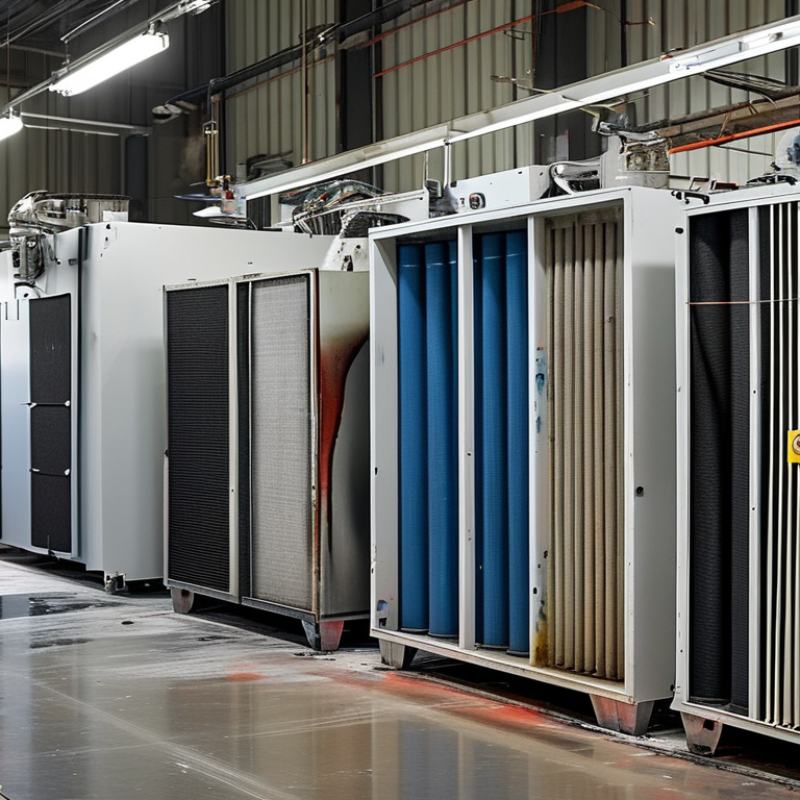
In 2026, understanding the various types of paint spray booth filters is crucial for effective operations. There are several filter categories, including particulate, activated carbon, and electrostatic filters. Each type has unique features that influence efficiency and air quality. For instance, particulate filters capture dust and overspray particles effectively, with studies showing a reduction in airborne contaminants by up to 95%. This significant performance can enhance both worker safety and product quality.
Activated carbon filters excel in eliminating odors and harmful gases. They are pivotal in ensuring a cleaner working environment. Reports indicate that these filters can achieve a 90% efficiency rate in volatile organic compound (VOC) absorption. However, it’s important to note that filter saturation can decrease their effectiveness. Regular monitoring is necessary to maintain optimal performance. Conversely, electrostatic filters utilize charged particles to attract pollutants. Their efficiency can fluctuate based on maintenance practices and environmental conditions, often necessitating more frequent replacements.
Selecting the right filters is not merely a technical decision. It impacts productivity, safety, and overall air quality. Ineffective filter use can lead to increased downtime and potential regulatory issues. Industries must reflect on their current filter choices and adapt as technologies evolve. The interplay between filter type and operational needs underscores the importance of informed decision-making in achieving sustainable performance.
Comparison of High-Efficiency Particulate Air (HEPA) Filters in Spray Booths
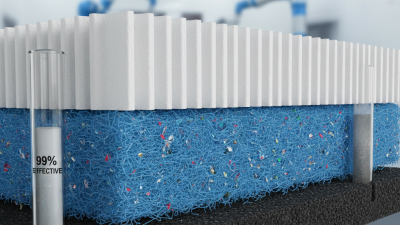
In spray booths, the choice of filters significantly affects paint application efficiency. High-Efficiency Particulate Air (HEPA) filters remove at least 99.97% of particles larger than 0.3 microns. According to the EPA, these filters play a crucial role in maintaining air quality. This is especially important in environments employing hazardous materials.
Many industry reports suggest that using HEPA filters can reduce airborne contaminants significantly. For instance, a study by the Occupational Safety and Health Administration (OSHA) indicated a 50% reduction in particulate exposure when HEPA filtration was implemented. Such data highlight the critical nature of effective filtration in preventing worker exposure and ensuring product quality.
However, not all spray booths utilize HEPA filters optimally. Some setups suffer from improper installation or maintenance. This can lead to air leaks, compromising overall efficiency. Operators should regularly inspect and replace filters to maintain performance. There's no one-size-fits-all solution, and continuous assessment is necessary. Upgrading filtration systems, while costly, can yield substantial long-term benefits in health and productivity.
Impact of Filter Material on Airflow and Paint Particle Capture Rate
Choosing the right filter material for paint spray booths is crucial. The filter impacts both airflow and the efficiency of paint particle capture. Different materials offer varied performance levels. For example, synthetic filters often provide better airflow than fiberglass ones. However, they may not capture the finest paint particles as effectively.
Airflow is vital for maintaining a consistent spray pattern and ensuring a safe work environment. Delicate balance is necessary. Filters that are too dense can restrict airflow, leading to uneven paint application. On the flip side, filters that are too porous may allow overspray to escape, jeopardizing the quality of work. It's essential to evaluate which filter meets both airflow needs and particle capture efficiency.
Some filter materials may degrade over time or lose effectiveness. Regular testing and replacement schedules are often overlooked but crucial practices. A deeper understanding of filter performance may reveal surprising results. Often, users find that higher initial costs pay off through better quality production in the long run. However, there's no one-size-fits-all answer; different setups may require different solutions. Balancing these factors can be a challenge.
2026 Best Paint Spray Booth Filters: Airflow vs. Particle Capture Rate
Cost-Benefit Analysis of Regular Filter Maintenance for Spray Booths
Regular filter maintenance is crucial for spray booths. Clean filters ensure better air quality and improve the efficiency of paint application. When filters clog, they can impair airflow and negatively affect paint finish quality. This can lead to costly rework and waste of materials.
Investing in regular maintenance can be a game-changer. Although it incurs costs, neglecting filters can quickly escalate expenses. The performance of spray booths heavily relies on clean filters. A well-maintained filter captures more contaminants, reducing the burden on the ventilation system. It could also extend the lifespan of equipment.
Ignoring filter care might seem easier. However, the potential fallout is significant. A dirty filter could lead to defects in the finished product. Clients may be unhappy, and repeat business could decrease. The financial implications of satisfactory work versus rework can swing the budget drastically. Reflections on maintenance show that a proactive approach often yields better results.
Trends in Eco-Friendly Filters for Spray Booths: Innovations and Regulations
The spray booth industry is rapidly evolving, especially concerning eco-friendly filters. Recent studies indicate that the global market for spray booth filters is expected to grow by over 5% annually. Such growth is driven by stricter environmental regulations and a shift towards sustainable practices. Manufacturers are increasingly focusing on filters that minimize volatile organic compounds (VOCs).
Innovations in filter technology have led to enhanced efficiency and lower environmental impact. High-efficiency particulate air (HEPA) filters are becoming a standard. They can capture over 99% of particles, ensuring cleaner air quality. Reports show that upgrading to eco-friendly filters can reduce operational costs by up to 30%. While the upfront investment may seem daunting, the long-term savings and compliance benefits are significant. However, there are still areas needing improvement. Some businesses struggle to transition due to cost barriers or lack of awareness.
Regulatory changes are also pushing more companies towards these innovations. In 2022, several regions enacted stricter emissions guidelines. Compliance became a vital part of operational planning. Yet, many companies still rely on outdated systems. This reliance can pose risks not only to the environment but also to their business sustainability. The shift towards eco-friendly filters represents both a challenge and an opportunity for industries dependent on spray booths.