China Top Paint Booth Filter Wall Solutions for Optimal Air Quality?
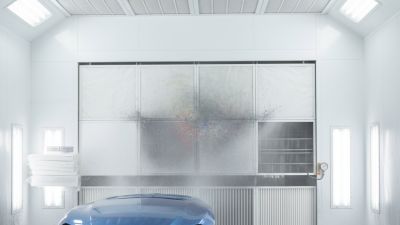
In the realm of industrial painting, maintaining optimal air quality is critical. The "Paint Booth Filter Wall" plays a vital role in ensuring a clean environment. According to James Liu, a leading expert in air filtration systems, "A well-designed filter wall can significantly enhance air quality in paint booths." This statement underscores the importance of effective filtration.
The choice of materials and technology for a Paint Booth Filter Wall can impact safety and efficiency. High-quality filters reduce harmful airborne particles. This improves not only the working conditions for employees but also the quality of the paint application. However, many businesses still overlook the maintenance of these systems. Regular updates and proper cleaning protocols are crucial.
Inadequate attention to the Paint Booth Filter Wall can lead to contamination. This affects both the final product and worker health. Investing in expert solutions is essential. Ultimately, a commitment to optimal air quality in the workplace is not just beneficial—it's necessary for long-term success.
Understanding Paint Booth Filters and Their Importance for Air Quality
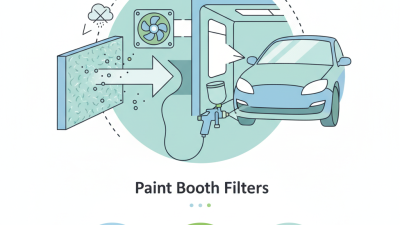
Paint booth filters play a crucial role in maintaining air quality during the painting process. They trap harmful particles and chemicals, reducing airborne contaminants. According to industry research, nearly 80% of respiratory issues in painting environments are linked to poor air quality. Efficient filters can significantly lower these risks.
Installing high-quality filters can ensure optimal airflow while minimizing particulate buildup. This is essential not only for compliance with safety regulations but also for worker health. A study indicates that using advanced filters can reduce VOC emissions by up to 90%. Such reductions lead to a safer working environment and fewer health-related absences.
Tip: Regularly check and replace filters. Over time, filters lose effectiveness. A simple maintenance schedule can improve air quality and extend filter life. Additionally, consider using multi-stage filtration systems for enhanced protection against various pollutants. Always stay informed about the latest filtration technologies to make smarter choices.
Types of Paint Booth Filter Technologies Used in China
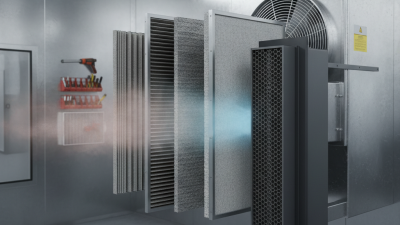
In the realm of paint booth operations, maintaining optimal air quality is crucial. The types of paint booth filter technologies used in China vary widely. Some facilities rely on multi-stage filter systems, which provide a high level of filtration efficiency. These systems often include pre-filters to capture large particles, followed by more refined filters for smaller contaminants.
Electrostatic filters are also gaining traction in the market. They effectively charge dust and paint particles, enhancing capture rates. However, these filters require regular maintenance to ensure efficiency. Some booths still utilize traditional fiberglass filters, which are cost-effective but may not offer the same level of air purification.
Beyond technical specifications, it’s essential to consider the workplace environment. Many operators may overlook the importance of regular filter changes. Neglecting this can lead to reduced air quality and compromised worker safety. Understanding the nuances of each filter type helps facilities make informed decisions. The balance between cost and efficiency is often a challenging aspect to navigate.
Key Features of Top Paint Booth Filter Wall Solutions
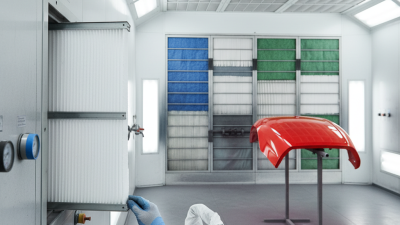
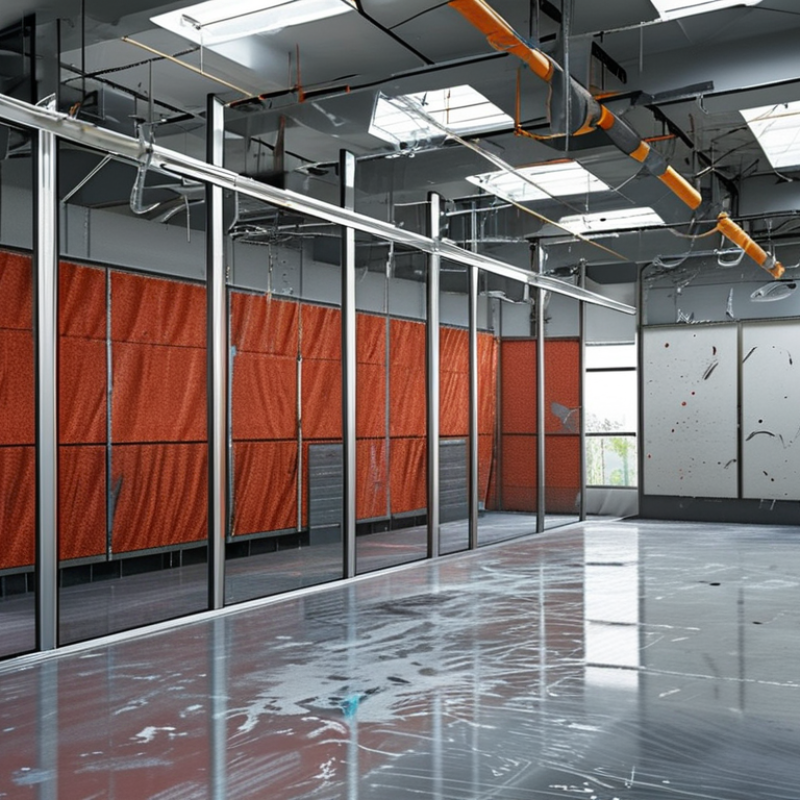
When it comes to optimizing air quality in paint booths, selecting the right filter wall solutions is essential. These systems are designed to capture fine particulates, overspray, and harmful fumes. Effective paint booth filters enhance air flow while minimizing contaminants. This balance is crucial for a safe environment.
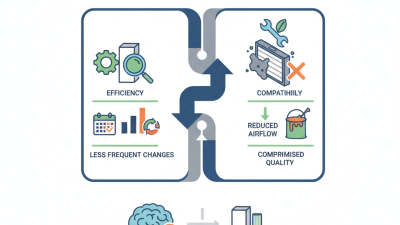
Key features of top-tier filter wall solutions include high dust holding capacity and low initial resistance. A well-designed filter ensures that more paint particles are captured, reducing the frequency of replacements. Ease of installation and maintenance are also vital. Some solutions focus on compatibility with existing systems, making upgrades smoother. Regular assessments of the filter’s performance are necessary. Not every solution works for every operation, underscoring the importance of site-specific analysis.
Ultimately, the right paint booth filter wall can significantly impact air quality. However, businesses must remain vigilant. Regular checks and updates are crucial for maintaining performance. Reflecting on potential issues ensures that air quality meets industry standards. A proactive approach to filter management can lead to safer and cleaner working conditions.
Maintenance and Replacement Practices for Optimal Filter Performance
Air quality in paint booths is crucial for both worker safety and product quality. Regular maintenance and timely replacement of filters are essential. Neglecting these practices can lead to increased airborne contaminants and paint defects. Studies indicate that improperly maintained filters can reduce airflow efficiency by up to 30%. This inefficiency not only affects the paint application process but also compromises air quality.
One common mistake is overlooking signs of filter fatigue. Filters may appear clean but can still be clogged with microscopic particles. It's vital to check filters regularly, ideally every two weeks. If painting is frequent, monthly replacements are recommended. This practice ensures that the filters operate at peak performance.
Tips: Use pressure gauges to monitor airflow through your filters. A drop in pressure often indicates the need for replacement. Furthermore, keep a log of filter changes. Documentation can help identify patterns and optimize maintenance schedules. Skipping routine checks may seem harmless, but it can lead to costly downtimes and poor air quality.
China Top Paint Booth Filter Wall Solutions for Optimal Air Quality
| Filter Type |
Efficiency (%) |
Recommended Maintenance Interval (Months) |
Replacement Cost (USD) |
| HEPA Filter |
99.97 |
12 |
150 |
| Activated Carbon Filter |
90.0 |
6 |
120 |
| Polyester Filter |
85.0 |
3 |
50 |
| Pre-Filter |
70.0 |
1 |
20 |
Regulatory Standards and Their Impact on Paint Booth Air Quality Solutions
Regulatory standards play a critical role in shaping air quality solutions in paint booths. Compliance with local and global guidelines ensures a safe working environment for employees. These regulations often dictate the types of filters and ventilation systems required to maintain optimal air quality. Organizations must stay updated with these changing regulations to avoid penalties.
Implementing high-quality filters is vital for reducing airborne contaminants. However, not all solutions are equal. Some filters may need frequent replacements, leading to increased costs and waste. Choosing the right technology requires deep understanding, yet many companies overlook this critical aspect. Regular air quality testing can uncover potential issues, helping to adjust strategies as needed.
Moreover, there is a gap between regulation and execution. Some businesses may prioritize budget over strict adherence to guidelines. This tension can lead to compromised air quality, affecting worker health. Balancing costs while ensuring compliance can be challenging, but it is essential for sustainable operations. The complexity of these choices underscores the need for ongoing education and consultation in the industry.