China Top Paint Spray Booth Filters Guide for Optimal Efficiency?
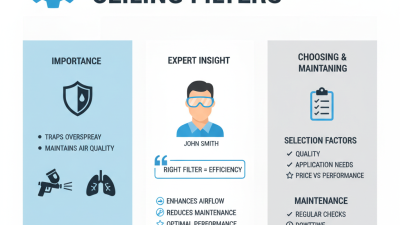
In the world of industrial coatings, “Paint Spray Booth Filters” play a crucial role in ensuring optimal efficiency. Experts emphasize their importance. John Smith, a leader in the field, states, “Proper filtration increases both product quality and worker safety.” This insight reflects the dual purpose of these filters: protecting both the environment and the health of operators.
Choosing the right filters can be challenging. With a variety of options available, how do you know which filters truly enhance efficiency? Many businesses overlook this aspect, focusing solely on paint application. However, neglecting filter quality can lead to overspray, increased costs, and health hazards.
Paint Spray Booth Filters are not just a secondary concern; they are a necessity. Investing in high-quality filters can reduce waste and improve workflow. Yet, there is always room for improvement. Companies must continuously evaluate their filtration systems to ensure they meet industry standards. In doing so, they can achieve better results while maintaining safety and compliance in their operations.
Understanding Paint Spray Booth Filters: An Overview
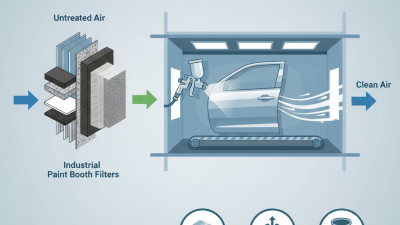
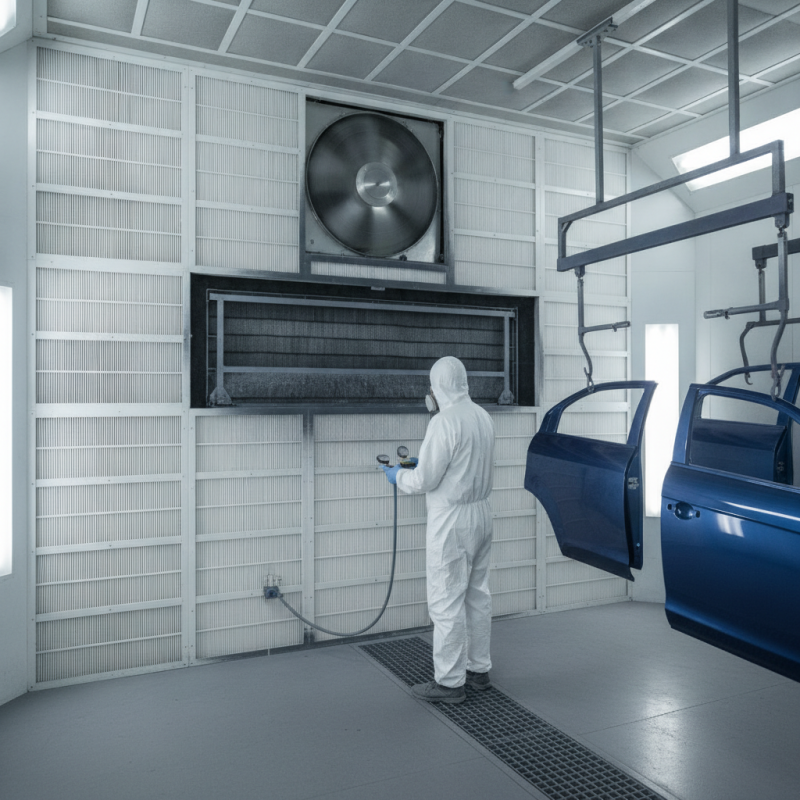
Paint spray booth filters play a crucial role in maintaining air quality and ensuring safe working environments in painting operations. These filters trap harmful particles released during spray applications, preventing them from contaminating the air. According to industry reports, nearly 90% of paint booth operators experience challenges related to air filtration efficiency. Poor filtering can lead to compromised paint quality and health risks.
Understanding the various types of filters is essential. High-efficiency particulate air (HEPA) filters capture particles as small as 0.3 microns with an efficiency of 99.97%. Conversely, fiberglass filters can trap larger particles but are less effective for fine aerosols. The choice of filter affects both operational costs and environmental impact. Studies indicate that improper filter use can increase paint waste by up to 30%, resulting in higher material costs.
Awareness of filter maintenance is vital. Filters require regular inspections and replacements to uphold their efficiency. Some operators may neglect this aspect, leading to diminished performance and safety hazards. Data shows that booths equipped with an optimal filter system can improve paint adhesion and reduce overspray, significantly enhancing overall output quality and reducing rework.
China Top Paint Spray Booth Filters Efficiency Comparison
This chart illustrates the efficiency percentages of different types of paint spray booth filters used in China. HEPA filters lead in efficiency, providing optimal air quality during painting processes, followed by waterborne filters, activated carbon filters, and pre-filters.
Types of Paint Spray Booth Filters and Their Functions
Selecting the right paint spray booth filter is crucial for maintaining efficiency. Various types of filters serve different needs. Understanding these types can greatly impact your operation’s performance.
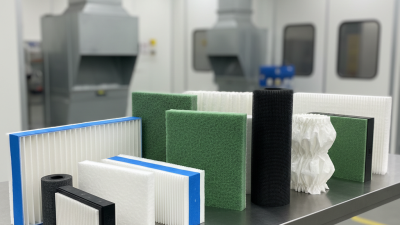
There are three main types of filters: pre-filters, activated carbon filters, and high-efficiency particulate air (HEPA) filters. Pre-filters capture larger particles like dust and debris. They protect more expensive filters from clogging too quickly. Activated carbon filters control odors and volatile organic compounds (VOCs). While effective, they need regular monitoring and replacement. HEPA filters excel in trapping microscopic particles, ensuring cleaner air. However, they can restrict airflow if not replaced timely.
Choosing the correct filter requires careful consideration. Not all filters suit all environments. Overusing one type can lead to inefficiencies. Evaluate air quality regularly. This ensures filters are performing optimally. Reflect on your specific needs and adjust accordingly. The right balance is essential for an efficient spray booth.
China Top Paint Spray Booth Filters Guide for Optimal Efficiency
| Filter Type |
Function |
Material |
Efficiency Rating |
Applications |
| Dry Filters |
Captures particles and overspray |
Synthetic or Fiberglass |
85% - 95% |
Automotive, Woodworking |
| Water-Based Filters |
Removes waterborne particles |
Polypropylene |
90% - 99% |
Industrial Coating, Furniture |
| Activated Carbon Filters |
Absorbs volatile organic compounds (VOCs) |
Activated Carbon |
High |
General Spray Booths, Chemical Processing |
| Electrostatic Filters |
Traps charged particles |
Metal/Plastic Composite |
95% - 99% |
High Precision Coating |
| HEPA Filters |
Filters out fine particulate matter |
Glass Fiber |
99.97% at 0.3 microns |
Pharmaceutical, Electronics |
Selection Criteria for Optimal Spray Booth Efficiency
When selecting spray booth filters for optimal efficiency, several critical criteria must be considered. Airflow is a primary factor. Studies indicate that maintaining an airflow rate of 100 feet per minute can enhance paint application quality significantly. Insufficient airflow leads to overspray, increasing waste and pollution. Monitoring airflow velocity can help maintain a balance between optimal filtration and operational efficiency.
Another important consideration is filter type. High-efficiency particulate air (HEPA) filters are known for capturing 99.97% of particles. However, they require more frequent changes, increasing operational costs. A study by the National Association of Paint and Coatings highlights that using multi-stage filtration systems can reduce strain on HEPA filters and extend their lifespan. This approach also maintains airflow rates, ensuring consistent performance in the booth.
Lastly, regular maintenance of the spray booth is often overlooked. Filters should be inspected weekly, and thorough cleaning should occur every month. Failure to maintain filters can lead to decreased efficiency and increased costs in the long run. Understanding these selection criteria can lead to better performance and more efficient operations.
Maintenance Best Practices for Paint Spray Booth Filters
Maintaining paint spray booth filters is essential for optimal efficiency. Regular checks can prevent costly downtime. Clogged filters reduce airflow, impacting painting quality. Inspect filters at least once a week. A visual assessment often uncovers needed changes.
Cleaning filters thoroughly extends their lifespan. Use compressed air or a gentle wash, depending on the type. Ensure they dry completely before reinstallation. Monitoring pressure drops is crucial. It signals when filters need replacement. Unattended pressure changes can lead to inefficiencies.
Document maintenance activities for future reference. This practice improves accountability and helps track patterns. Reflection on your maintenance routine can reveal gaps. Are you consistently checking filters? Small oversights can have significant impacts on performance. Adjustments to processes yield longevity and efficiency in operations.
Environmental and Safety Considerations for Paint Booth Operations
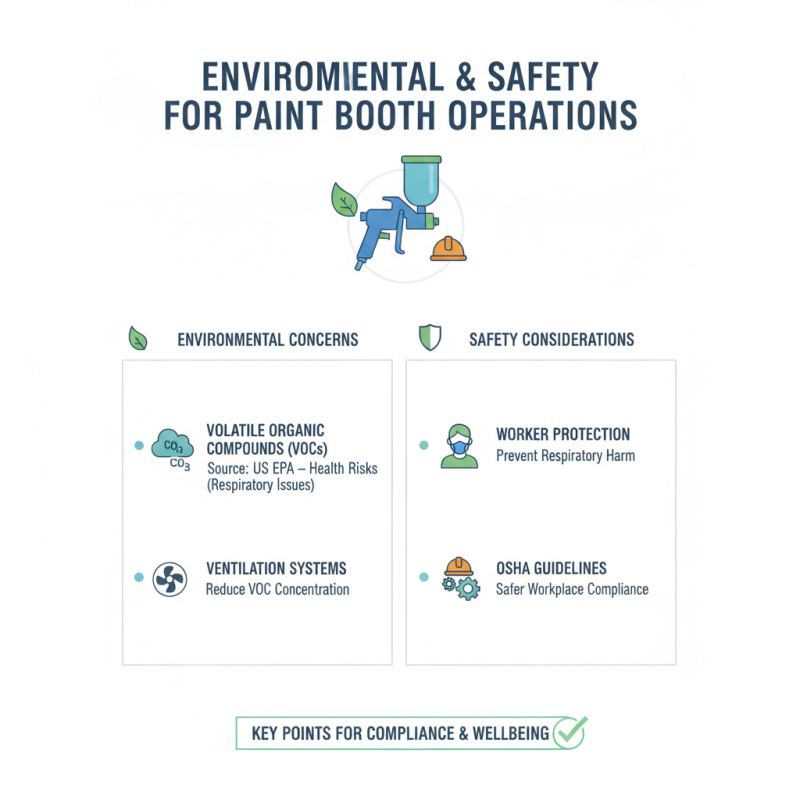
Environmental and safety concerns are critical in paint booth operations. According to the U.S. Environmental Protection Agency (EPA), volatile organic compounds (VOCs) can pose serious health risks. Workers may experience respiratory issues if protective measures are inadequate. Effective ventilation systems are essential to reduce VOC concentrations. Compliance with OSHA guidelines ensures a safer working environment for employees.
Additionally, filter maintenance plays a vital role in air quality control. Reports indicate that poorly maintained filters can lead to increased contamination. This, in turn, raises the risk of fire hazards and worker exposure. Regular inspections and replacements of filters can significantly reduce risk. Studies show that proper filtration systems improve process efficiency by 30%.
Implementing sustainability measures can also enhance safety. For instance, water-based paints produce fewer harmful emissions. However, not all facilities have adapted to this shift, leading to ongoing concerns about chemical exposure. Continuous training on safety protocols can help bridge this gap. Creating a culture of safety is essential for minimizing risks in paint booth operations.